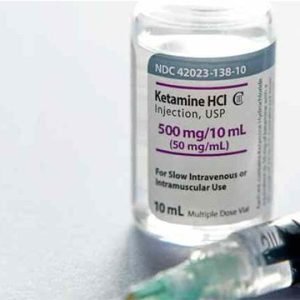
Ketamine – Educational Product Category Description
Ketamine is a synthetic dissociative anesthetic medication recognized for its applications in modern medicine, particularly in anesthesia, emergency care and selected mental health treatments.
Originally developed during the 1960s, ketamine became an important medical compound because of its rapid anesthetic effects and distinctive pharmacological properties. Ketamine powder
History and Origins of Ketamine
Ketamine was first synthesized in 1962 by pharmaceutical researcher Calvin Stevens. Subsequently, it was investigated as an alternative anesthetic and introduced into medical practice during the 1970s.
Over the years, research has expanded into its potential applications in pain management and treatment-resistant depression.
Types and Forms of Ketamine
Ketamine is commonly discussed in several pharmaceutical and chemical forms:
- Racemic Ketamine: A mixture of two molecular forms, R-ketamine and S-ketamine.
- Esketamine: The S-enantiomer of ketamine, approved in certain jurisdictions for specific depression treatments.
- Ketamine Hydrochloride: A pharmaceutical salt used in approved medical formulations.
- R-Ketamine: An enantiomer currently investigated in scientific research.
These forms have different research profiles and regulatory applications.
Medical Benefits and Applications
Under professional medical supervision, ketamine has established applications in anesthesia and is used in selected pain-management settings. Ketamine Hydrochloride HCL
Additionally, ketamine-based treatments have demonstrated potential benefits for some people experiencing treatment-resistant depression.
However, these medical applications require appropriate assessment, prescription and monitoring by qualified healthcare professionals.
Effects and Potential Health Risks
Ketamine affects NMDA receptors in the brain and can produce dissociation, altered perception, sedation and changes in sensory awareness.
Other possible effects include dizziness, confusion, nausea, increased blood pressure and impaired coordination.
Unsupervised or repeated use can lead to dependence, memory problems, bladder damage and psychological complications.
Global Importance
Today, ketamine remains an important subject in pharmaceutical research, anesthesiology and mental health studies. Its medical value must be distinguished from the risks associated with non-medical consumption.
-
Ketamine Powder ( Ketalar )
Price range: $205.00 through $7,400.00Ketamine has the sold brand name Ketalar. Ketalar medicine is, for the most part, utilized forgiving and looking after anesthesia. it is likewise utilized for help with discomfort and memory misfortune. It is additionally incorporate of perpetual torment and for sedation in concentrated consideration. Heart working, breathing, and aviation route reflexes for the most part staying practical during its belongings.
Telegram ID : kokapartyshop
Email: [email protected]
-
Ketamine HCL
Original price was: $150.00.$80.00Current price is: $80.00.Ketamine Hydrochloride HCL
Ketamine Hydrochloride (HCL) is a chemical compound used primarily for its anesthetic and dissociative properties. It has specific chemical characteristics that define its structure, stability, and interaction within biological systems. Here are the key chemical specifications of Ketamine HCL:
1. Chemical Name and Formula
- IUPAC Name: 2-(2-chlorophenyl)-2-(methylamino)cyclohexanone hydrochloride
- Molecular Formula: C₁₃H₁₆ClNO · HCl
- Molar Mass: 274.2 g/mol (for Ketamine base), 290.2 g/mol (for Ketamine HCL salt)
Telegram ID : kokapartyshop
Email: [email protected]