Heroin – Educational Category Description
Heroin, also known by its pharmaceutical name diacetylmorphine, is a powerful semi-synthetic opioid derived from morphine, which originates from the opium poppy.
It acts on opioid receptors in the brain and nervous system, affecting pain perception, breathing, mood and physical responses.
History and Origins
Heroin was first synthesized in the nineteenth century and later introduced commercially as a pharmaceutical medicine. Initially, it was investigated for medical applications, including pain relief.
However, its highly addictive properties and serious health consequences eventually led to strict international controls and restrictions.
Types and Classifications
White Heroin is discussed in scientific and public health literature through several classifications, including:
- Heroin hydrochloride: A salt form of diacetylmorphine.
- Heroin base: A non-salt chemical form.
- Pharmaceutical diamorphine: A medically regulated formulation used in certain healthcare settings.
Street-market appearance and colour cannot reliably establish a substance’s identity, purity or safety. China White Heroin
Medical Applications and Potential Benefits
Black tar heroin itself has no safe recreational benefits. However, pharmaceutical diamorphine has recognized medical applications in certain countries,
particularly for severe pain management and specialist supervised treatment programs for selected patients with opioid dependence.
These applications involve strict medical assessment, controlled prescribing and professional supervision.
Effects and Health Risks
Rolls Royce Heroin can produce pain relief, sedation and temporary feelings of euphoria. Nevertheless, it carries substantial risks, including physical dependence, respiratory depression, unconsciousness and potentially fatal overdose.
Long-term exposure can contribute to serious health complications, including infections, mental health difficulties and significant social and psychological problems.
Worldwide Public Health Impact
Arctic Wolf Heroin addiction remains an international public health concern. Its effects extend beyond individuals to families, healthcare services, communities and public safety systems.
-
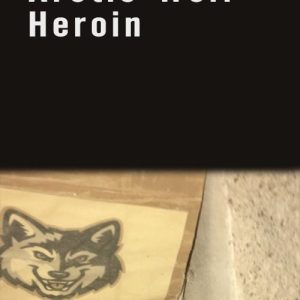
Arctic Wolf Heroin
Price range: $200.00 through $2,500.00Arctic Wolf Heroin
We are specialist in discreet packaging. If you were looking for a secure place to buy heroin online, then search no more. Buy Rolls Royce Heroin USA and have it delivered right at your door steps.
Telegram ID : kokapartyshop
Email: [email protected]
-
Black Tar Heroin
Price range: $250.00 through $3,500.00Black tar heroin
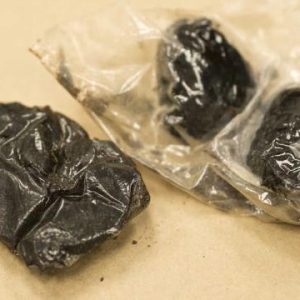
is a form of heroin that is sticky like tar or hard like coal. Its dark color is the result of crude processing methods that leave behind impurities. Despite its name, black tar heroin can also be dark orange or dark brown in appearance.
Telegram ID : kokapartyshop
Email: [email protected]
-
China White Heroin
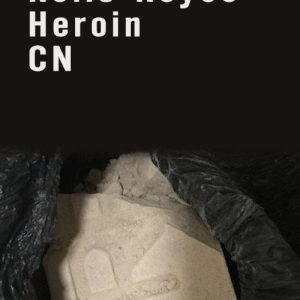
Original price was: $80.00.$50.00Current price is: $50.00.China White Heroin
Heroin Injection:
Intravenous use of heroin (and any other substance) with needles and syringes or other related equipment may lead to:
Contracting blood-borne pathogens such as HIV and hepatitis via the sharing of needles
Contracting bacterial or fungal endocarditis and possibly venous sclerosis
Abscesses
Poisoning from contaminants added to “cut” or dilute heroin
Decreased kidney function (nephropathy), although it is not currently known if this is because of adulterants or infectious diseasesTelegram ID : kokapartyshop
Email: [email protected]
-
Rolls Royce Heroin
Price range: $200.00 through $3,500.00“Rolls Royce heroin” refers to high-purity heroin rather than a specific chemical variant, but it generally carries these specifications:
- Purity: Rolls Royce heroin is typically between 80-99% pure diacetylmorphine, meaning it has fewer cutting agents or adulterants. This purity level can vary by batch but is much higher than street-level heroin, which is often 20-40% pure.
- Appearance: It usually appears as a fine, white or off-white powder. This indicates thorough refinement and absence of impurities or crude processing, common in brown or black tar heroin.
- Solubility: High-purity heroin is more soluble in water, making it easier to prepare for injection without needing heat or other additives to dissolve, leading to a cleaner and quicker preparation.
- Potency: Due to its purity, it requires smaller doses to achieve effects. For perspective, 5–10 mg of pure heroin could be lethal for a non-tolerant individual, and Rolls Royce heroin often falls close to this purity level.
- Sourcing and Quality Control: Often sourced from regions like Southeast Asia (notably Myanmar), where certain batches undergo more rigorous refinement processes, resulting in higher quality.
- Cutting Agents: While still subject to cutting with inactive or less harmful substances (like lactose), it is less likely to contain harmful adulterants found in street heroin, such as fentanyl or other potent opioids.
The high potency and purity associated with Rolls Royce heroin significantly increase overdose risks, especially for users accustomed to lower-quality, adulterated forms.
Telegram ID : kokapartyshop
Email: [email protected]
-
White Heroin
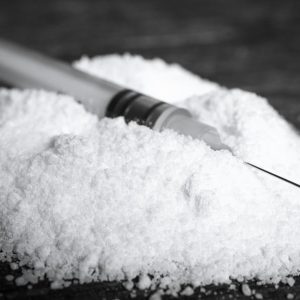
Price range: $250.00 through $3,500.00Heroin paraphernalia:
Heroin also known as china white or α-Methylfentanyl (or alpha-Methylfentanyl) an opioid analgesic that is an analog of fentanyl. It is sometimes sold as “China White“.
Telegram ID : kokapartyshop
Email: [email protected]