MDMA – Educational Product Category Description
MDMA (3,4-methylenedioxymethamphetamine) is a synthetic psychoactive substance with stimulant and empathogenic properties.
Commonly associated with the names Ecstasy and Molly, MDMA affects the central nervous system by influencing neurotransmitters such as serotonin, dopamine and norepinephrine.
History and Origins of MDMA
MDMA was first synthesized in 1912 by the German pharmaceutical company Merck. Initially, it was developed as an intermediate in pharmaceutical research rather than as a recreational substance.
During the 1970s, researchers and psychotherapists began exploring its psychological effects and potential applications in controlled therapeutic settings.
Types and Forms of MDMA
MDMA is one chemical compound, but it is encountered in different forms:
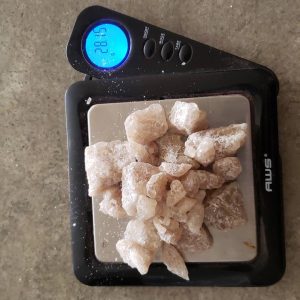
- MDMA Crystal: A crystalline presentation reported in unregulated markets.
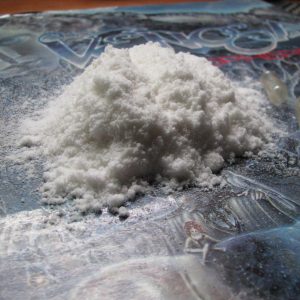
- MDMA Powder: A powdered presentation that may vary in composition and purity.
- Ecstasy Tablets: Pressed tablets that may contain MDMA, other substances or unexpected adulterants.
- MDMA Capsules: Encapsulated products with potentially inconsistent contents.
These descriptions refer to physical presentations rather than separate chemical types. Appearance cannot confirm identity or quality.
Potential Benefits and Therapeutic Research
Scientific researchers have investigated MDMA-assisted psychotherapy, particularly for post-traumatic stress disorder (PTSD). Some clinical studies have explored its potential role in supporting emotional processing under specialist supervision.
However, research findings should not be confused with established safety or approval for general consumption. Darknet
Effects and Health Risks
Reported psychological effects include euphoria, increased sociability, emotional openness and altered sensory perception. Physical effects may include increased heart rate, sweating, jaw tension and elevated body temperature.
Serious complications can include hyperthermia, dangerous electrolyte imbalance, seizures, cardiovascular problems and psychological distress.
Global Public Health Importance
MDMA remains an important subject in neuroscience, pharmaceutical research and public health education. Understanding its history, effects, adulteration risks and potential harms supports informed scientific awareness.
Keywords: MDMA, MDMA types, MDMA history, MDMA crystal information, MDMA powder information, MDMA Ecstasy Molly, MDMA chemical properties, MDMA effects, MDMA potential benefits, MDMA therapy research, MDMA health risks, MDMA public health awareness.
-
Pure MDMA Powder
Price range: $160.00 through $12,000.00MDMA Powder
3,4-Methylenedioxymethamphetamine (MDMA), commonly seen in tablet form (ecstasy) and crystal form (molly or mandy), is a potent central nervous system (CNS) stimulant primarily used for recreational purposes.
Telegram ID : kokapartyshop
Email: [email protected]
-
Pure MDMA crystal
Price range: $160.00 through $12,000.00Pure Mdma Crystal
3,4-Methylenedioxymethamphetamine (MDMA), commonly seen in tablet form (ecstasy) and crystal form (molly or mandy), is a potent central nervous system (CNS) stimulant primarily used for recreational purposes.
Telegram ID : kokapartyshop
Email: [email protected]