
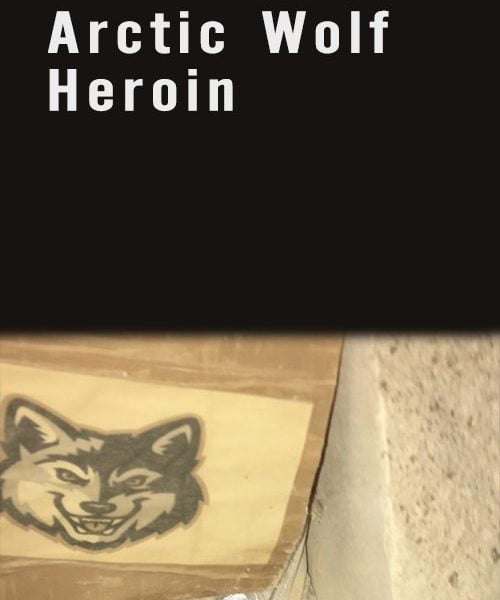
Arctic Wolf Heroin
Price range: $200.00 through $2,500.00
Arctic Wolf Heroin
We are specialist in discreet packaging. If you were looking for a secure place to buy heroin online, then search no more. Buy Rolls Royce Heroin USA and have it delivered right at your door steps.
Telegram ID : kokapartyshop
Email: [email protected]
Introduction: What Is Arctic Wolf Heroin?
Arctic Wolf Heroin is a name that may be used as a street-market label, product nickname or branding term associated with illicit heroin. However, Arctic Wolf is not a scientifically recognised heroin subtype or an established pharmaceutical formulation. There is no verified evidence that this name identifies a particular chemical composition, geographical origin, purity level or consistent batch.
To understand this terminology, it is important to examine heroin itself, including its chemical identity, historical development, common classifications, pharmacological effects and public-health consequences.
Heroin is also known scientifically as diacetylmorphine or diamorphine. It is a semi-synthetic opioid derived from morphine, an alkaloid naturally found in the opium poppy (Papaver somniferum). It affects the central nervous system and can cause pain relief, sedation, euphoria, physical dependence and potentially fatal respiratory depression.
This educational overview examines the subject from a scientific and European public-health perspective. It does not treat Arctic Wolf as a verified commercial product or provide purchasing, manufacturing or promotional information.
1. Origin and History of Heroin
The historical origins of heroin are connected to the long-standing human use of the opium poppy. Opium has been known for centuries and was historically used for pain relief and other medicinal purposes.
Morphine, one of the principal active compounds in opium, became widely used in medicine during the nineteenth century. In 1874, English chemist Charles Romley Alder Wright first synthesised diacetylmorphine from morphine. Subsequently, Bayer introduced the substance commercially under the name Heroin in 1898.
Initially, heroin was promoted for certain medical applications. However, its addictive potential and serious health consequences became increasingly apparent. As medical and scientific understanding developed, its non-medical use became heavily restricted internationally.
Today, heroin is internationally controlled, although medical diamorphine remains authorised for specific clinical purposes in some countries.
2. Types and Classifications of Heroin
Heroin is commonly discussed using chemical classifications and broad descriptions of its physical appearance. These classifications refer to heroin generally, not to verified Arctic Wolf varieties.
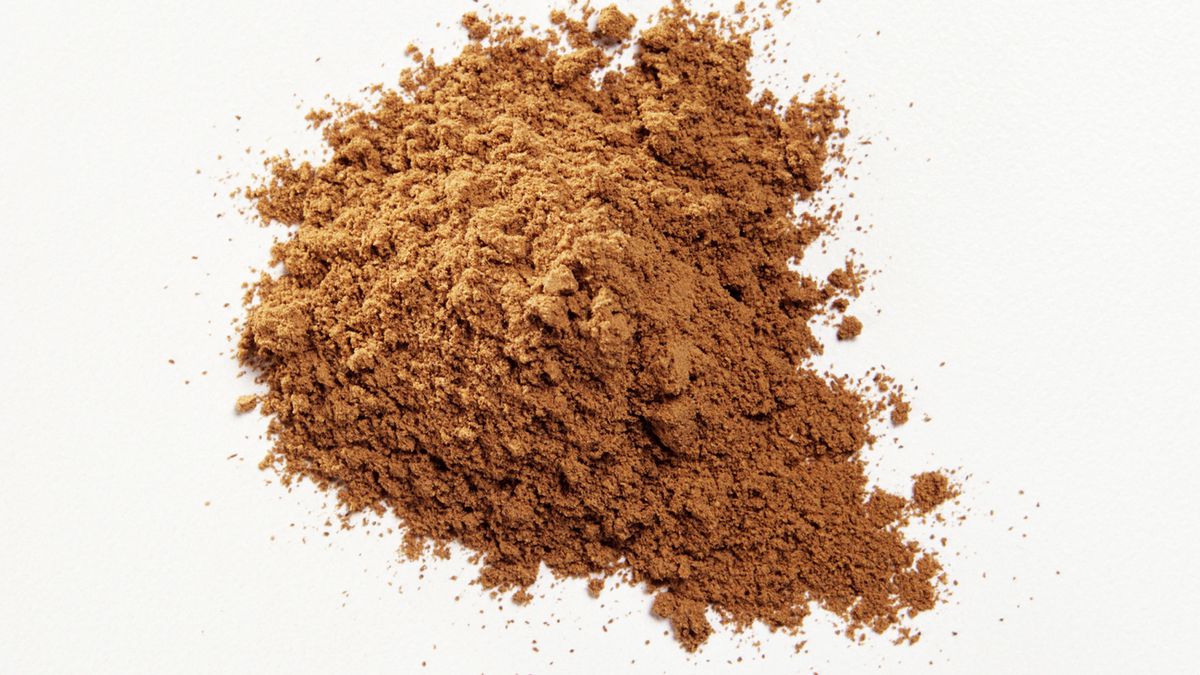
Brown heroin
Brown heroin is commonly associated with the free-base form of diamorphine. It is reported in illicit drug markets in several European countries.
Its appearance can vary, and visual characteristics cannot establish its identity or strength.
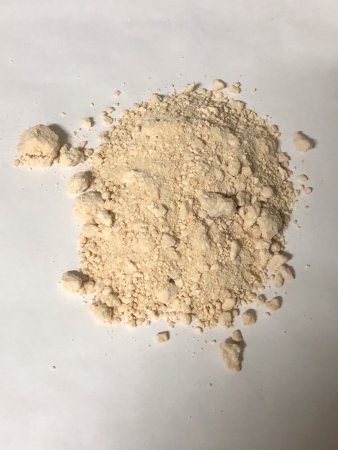
White heroin
White heroin is commonly associated with diamorphine hydrochloride, a salt form with different chemical properties from the free base.
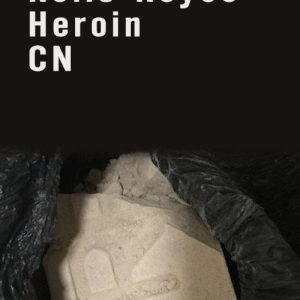
However, a white powder is not necessarily heroin. Other substances and contaminants can have similar appearances.
Black tar heroin
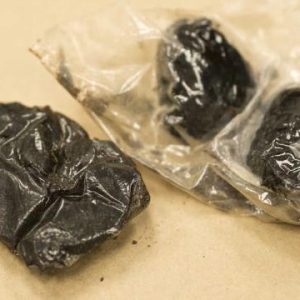
Black tar heroin is a dark, sticky or solid-looking form associated particularly with certain illicit markets outside Europe. Its physical appearance differs from the powders commonly reported in European markets.
Arctic Wolf terminology
The Arctic Wolf name should be treated as an unverified market label rather than a separate chemical category. There is no established scientific classification demonstrating that Arctic Wolf has a unique composition or consistent characteristics.
Consequently, claims about its strength, purity, origin or quality should not be accepted without independent laboratory evidence.
3. General Chemical Specifications of Heroin
From a scientific perspective, heroin has identifiable chemical characteristics. However, these specifications describe pure diamorphine rather than any substance sold under the Arctic Wolf name.
| Specification | Scientific information |
|---|---|
| Common name | Heroin |
| Scientific name | Diacetylmorphine |
| Medical name | Diamorphine |
| Chemical family | Semi-synthetic opioid |
| Molecular formula | C₂₁H₂₃NO₅ |
| Molecular weight | Approximately 369.4 g/mol |
| CAS number | 561-27-3 |
| Natural precursor | Morphine |
| Biological target | Opioid receptors |
| Main effect | Central nervous system depression |
Important distinction: Illicit heroin is not necessarily pure diamorphine. It may contain other chemicals, unidentified substances, impurities or dangerous synthetic opioids. Laboratory analysis is required to identify its actual composition. Neither colour, texture nor a marketing name provides reliable evidence of purity.
4. Perceived Benefits and Medical Applications
When discussing heroin benefits, it is essential to distinguish between medically supervised opioid treatment and non-medical consumption.
Diamorphine has historically had medical applications because of its analgesic properties. In certain countries, pharmaceutical diamorphine may be prescribed under strict medical supervision for specific pain-management circumstances.
Its recognised pharmacological effects include:
-
Pain relief: Opioid receptors influence the body’s perception of pain.
-
Sedation: The substance can reduce alertness and produce drowsiness.
-
Short-term euphoria: Some people experience temporary pleasurable sensations.
-
Medical applications: Pharmaceutical diamorphine has been used in selected clinical settings.
However, these effects should not be interpreted as benefits of illicit heroin. The potential for dependence, respiratory depression, poisoning and fatal overdose makes unsupervised consumption particularly dangerous.
There is no established health benefit to using an unverified product marketed as Arctic Wolf Heroin.
5. Effects of Heroin on the Human Body
Heroin affects several biological systems, particularly the central nervous system. After entering the body, it is rapidly metabolised into active compounds, including 6-monoacetylmorphine and morphine.
Short-term effects
Possible short-term effects include:
-
Euphoria or temporary pleasurable sensations.
-
Pain reduction.
-
Drowsiness and reduced alertness.
-
Nausea and vomiting.
-
Itching and sweating.
-
Reduced breathing rate.
-
Impaired decision-making and coordination.
The most serious immediate danger is respiratory depression, where breathing becomes dangerously slow or stops.
Long-term effects
Repeated non-medical opioid use can lead to serious health consequences, including:
-
Physical dependence and opioid use disorder.
-
Increased tolerance.
-
Withdrawal symptoms.
-
Chronic constipation and digestive complications.
-
Increased vulnerability to infections.
-
Depression and other psychological difficulties.
-
Social, financial and relationship problems.
The risks can become greater when opioids are combined with alcohol, benzodiazepines or other sedating substances.
6. Arctic Wolf Heroin and Its Impact Across Europe
Heroin remains an important public-health and drug-monitoring issue across Europe. Although patterns of consumption have changed, opioid-related harms continue to affect individuals, families, healthcare systems and communities.
Public-health consequences
The impact of heroin in Europe extends beyond the individual user.
Healthcare systems: Emergency departments and addiction-treatment services must respond to overdoses, infections, dependence and other medical complications.
Families and communities: Opioid dependence can contribute to family instability, unemployment, financial difficulties and social isolation.
Drug-related deaths: The EUDA estimated that heroin was involved in at least 1,600 deaths in the European Union in 2024. Opioids collectively were present in approximately seven out of ten fatal overdoses.
Criminal markets: Illicit trafficking and distribution create additional challenges for law-enforcement agencies and public-health authorities.
Changes in the European heroin market
Afghanistan has historically been the main source of heroin consumed in Europe. However, the EUDA’s 2026 reporting highlights significant changes in opium production, including major reductions in Afghan cultivation following restrictions introduced in 2022.
Pakistan has also emerged as an increasingly relevant source of opium production. These developments illustrate how international agricultural, economic and political changes can influence European illicit opioid markets.
There is no reliable European surveillance evidence establishing Arctic Wolf as a distinct heroin market category.
7. Prevention, Treatment and Harm Reduction
Public-health authorities emphasise prevention, early intervention and access to evidence-based treatment.
Important approaches include:
-
Methadone treatment: A medically supervised approach to managing opioid dependence.
-
Buprenorphine treatment: Another established option for opioid use disorder.
-
Psychological support: Counselling and behavioural interventions can support long-term recovery.
-
Naloxone availability: Naloxone can temporarily reverse life-threatening opioid overdose.
-
Community education: Accurate information helps people recognise risks and access appropriate healthcare.
The EUDA identifies opioid agonist treatment and take-home naloxone programmes as important parts of Europe’s response to opioid-related harm.
Recognising an opioid overdose
Warning signs include an inability to wake someone, very slow or absent breathing, unusual snoring or gurgling sounds, and blue, grey or discoloured lips or fingernails.
Call emergency services immediately. Administer naloxone if available, follow the emergency operator’s instructions, provide rescue breathing or CPR as instructed, and stay with the person until help arrives. Naloxone may need to be repeated because its effects can wear off before the opioid has left the body.
8. Frequently Asked Questions (FAQs)
1. What is Arctic Wolf Heroin?
Arctic Wolf Heroin is an unverified name or label associated with illicit heroin terminology. It is not an officially recognised chemical formulation or established pharmaceutical product.
2. Is Arctic Wolf a different type of heroin?
There is no established scientific evidence that Arctic Wolf represents a separate chemical type. Heroin itself is known as diacetylmorphine or diamorphine.
3. What is the origin of heroin?
Heroin is derived from morphine, which originates naturally in the opium poppy. Diacetylmorphine was first synthesised in 1874.
4. What are the main types of heroin?
Common scientific and market descriptions include brown heroin, white heroin and black tar heroin. They differ in chemical form and physical characteristics.
5. What are the chemical specifications of heroin?
Pure diamorphine has the molecular formula C₂₁H₂₃NO₅ and a molecular weight of approximately 369.4 g/mol.
6. Does heroin have medical benefits?
Pharmaceutical diamorphine has specific medical applications, including selected pain-management settings. This does not mean illicit heroin is safe or medically beneficial.
7. What are the main effects of heroin?
Heroin can cause pain relief, sedation and euphoria. Dangerous effects include respiratory depression, unconsciousness, dependence and overdose.
8. Why is heroin a concern in Europe?
Heroin contributes to opioid dependence, drug-related deaths, healthcare demands and criminal-market activity. European authorities continue to monitor its availability and related harms.
9. Can Arctic Wolf Heroin purity be identified by appearance?
No. Appearance and branding cannot reliably establish chemical composition, purity or potency. Only appropriate laboratory analysis can identify the substances present.
10. Is opioid dependence treatable?
Yes. Evidence-based approaches include methadone, buprenorphine, psychosocial support and other individually appropriate clinical interventions.
- Arctic Wolf Heroin
9. Conclusion: Understanding Arctic Wolf Heroin Through Scientific Research
Arctic Wolf Heroin should be understood as an unverified market label rather than a scientifically established heroin variety. Its name does not establish its origin, purity, chemical composition or effects.
Nevertheless, studying heroin provides important insights into opioid pharmacology, medical history, drug dependence and European public-health challenges.
The latest European research demonstrates that heroin remains relevant to drug-related healthcare and overdose prevention, even as the wider opioid market continues to change.
For educational purposes, the most valuable approach is to distinguish verified scientific information from unsupported product claims and to promote evidence-based prevention, treatment and overdose awareness.
| Quantity | 5 grams, 10 grams, 30 grams, 50 grams, 100 grams, 250 grams, 500 grams |
|---|
Add a review
 Arctic Wolf Heroin
Your review
* Review is required
Name
* Name is required
Email
* Email is required
Add photos or video to your review
Related Products
-
White Heroin
Price range: $250.00 through $3,500.00Heroin paraphernalia:
Heroin also known as china white or α-Methylfentanyl (or alpha-Methylfentanyl) an opioid analgesic that is an analog of fentanyl. It is sometimes sold as “China White“.
Telegram ID : kokapartyshop
Email: [email protected]
-
China White Heroin
Original price was: $80.00.$50.00Current price is: $50.00.China White Heroin
Heroin Injection:
Intravenous use of heroin (and any other substance) with needles and syringes or other related equipment may lead to:
Contracting blood-borne pathogens such as HIV and hepatitis via the sharing of needles
Contracting bacterial or fungal endocarditis and possibly venous sclerosis
Abscesses
Poisoning from contaminants added to “cut” or dilute heroin
Decreased kidney function (nephropathy), although it is not currently known if this is because of adulterants or infectious diseasesTelegram ID : kokapartyshop
Email: [email protected]
-
Black Tar Heroin
Price range: $250.00 through $3,500.00Black tar heroin
is a form of heroin that is sticky like tar or hard like coal. Its dark color is the result of crude processing methods that leave behind impurities. Despite its name, black tar heroin can also be dark orange or dark brown in appearance.
Telegram ID : kokapartyshop
Email: [email protected]
-
Rolls Royce Heroin
Price range: $200.00 through $3,500.00“Rolls Royce heroin” refers to high-purity heroin rather than a specific chemical variant, but it generally carries these specifications:
- Purity: Rolls Royce heroin is typically between 80-99% pure diacetylmorphine, meaning it has fewer cutting agents or adulterants. This purity level can vary by batch but is much higher than street-level heroin, which is often 20-40% pure.
- Appearance: It usually appears as a fine, white or off-white powder. This indicates thorough refinement and absence of impurities or crude processing, common in brown or black tar heroin.
- Solubility: High-purity heroin is more soluble in water, making it easier to prepare for injection without needing heat or other additives to dissolve, leading to a cleaner and quicker preparation.
- Potency: Due to its purity, it requires smaller doses to achieve effects. For perspective, 5–10 mg of pure heroin could be lethal for a non-tolerant individual, and Rolls Royce heroin often falls close to this purity level.
- Sourcing and Quality Control: Often sourced from regions like Southeast Asia (notably Myanmar), where certain batches undergo more rigorous refinement processes, resulting in higher quality.
- Cutting Agents: While still subject to cutting with inactive or less harmful substances (like lactose), it is less likely to contain harmful adulterants found in street heroin, such as fentanyl or other potent opioids.
The high potency and purity associated with Rolls Royce heroin significantly increase overdose risks, especially for users accustomed to lower-quality, adulterated forms.
Telegram ID : kokapartyshop
Email: [email protected]

Reviews
There are no reviews yet