Rolls Royce Heroin
Price range: $200.00 through $3,500.00
“Rolls Royce heroin” refers to high-purity heroin rather than a specific chemical variant, but it generally carries these specifications:
- Purity: Rolls Royce heroin is typically between 80-99% pure diacetylmorphine, meaning it has fewer cutting agents or adulterants. This purity level can vary by batch but is much higher than street-level heroin, which is often 20-40% pure.
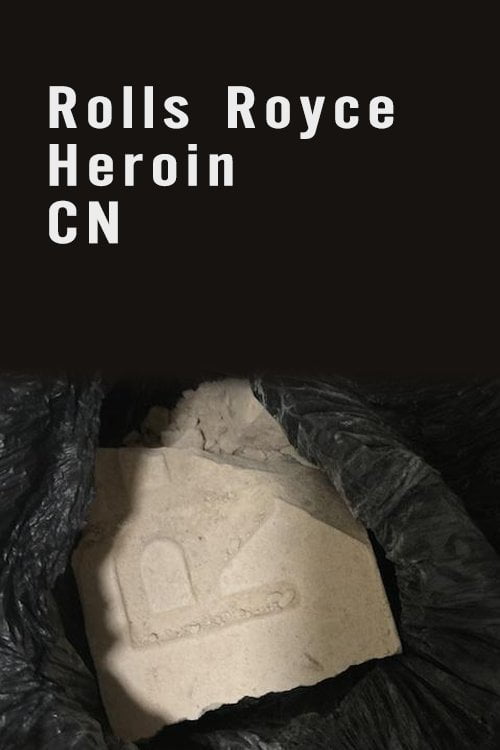
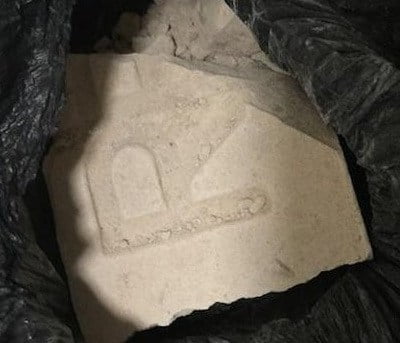
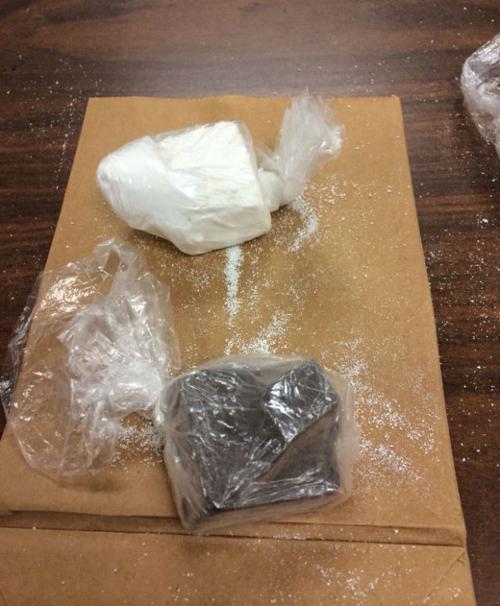
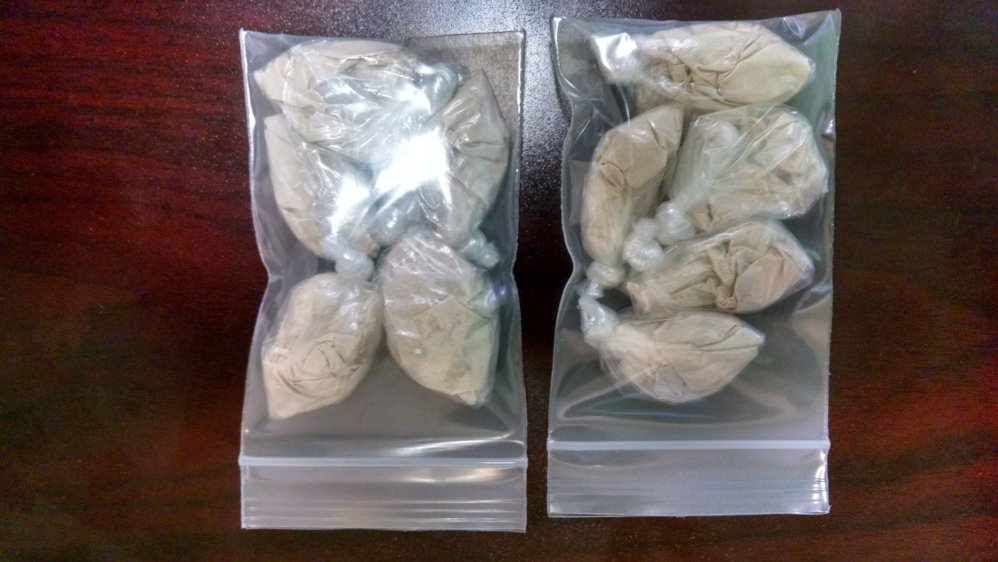
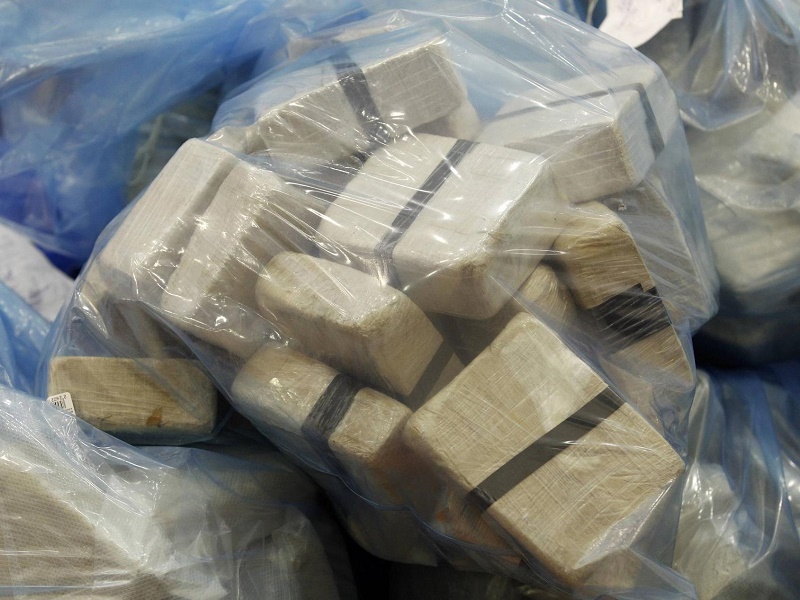
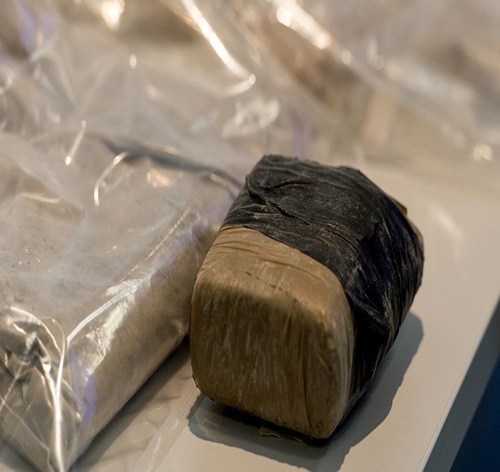
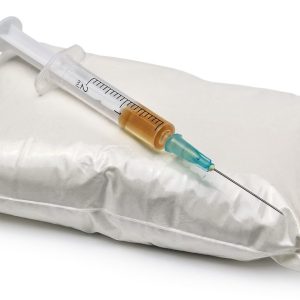
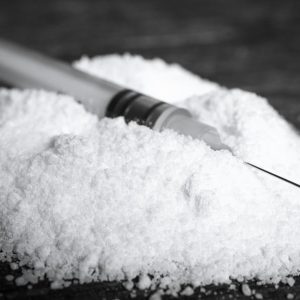
- Appearance: It usually appears as a fine, white or off-white powder. This indicates thorough refinement and absence of impurities or crude processing, common in brown or black tar heroin.
- Solubility: High-purity heroin is more soluble in water, making it easier to prepare for injection without needing heat or other additives to dissolve, leading to a cleaner and quicker preparation.
- Potency: Due to its purity, it requires smaller doses to achieve effects. For perspective, 5–10 mg of pure heroin could be lethal for a non-tolerant individual, and Rolls Royce heroin often falls close to this purity level.
- Sourcing and Quality Control: Often sourced from regions like Southeast Asia (notably Myanmar), where certain batches undergo more rigorous refinement processes, resulting in higher quality.
- Cutting Agents: While still subject to cutting with inactive or less harmful substances (like lactose), it is less likely to contain harmful adulterants found in street heroin, such as fentanyl or other potent opioids.
The high potency and purity associated with Rolls Royce heroin significantly increase overdose risks, especially for users accustomed to lower-quality, adulterated forms.
Telegram ID : kokapartyshop
Email: [email protected]
Rolls Royce Heroin: Origins, History, Types, Specifications, Effects and Worldwide Social Impact
Introduction to Rolls Royce Heroin
Rolls Royce Heroin is a name associated with the illicit heroin market. Like other branded street-drug names, the expression can refer to packaging, stamps or informal labels used in particular locations. However, it does not identify a scientifically recognised grade of heroin.
Understanding this distinction is important because illicit substances are not manufactured under the same quality-control requirements as authorised pharmaceutical medicines. Consequently, two substances carrying similar names or packaging may contain entirely different chemical compositions.
Heroin, medically known as diamorphine or diacetylmorphine, belongs to the opioid family. It is derived from morphine, which originates from the opium poppy. Its effects involve the central nervous system, particularly the brain receptors responsible for pain perception, reward and breathing regulation.
Although pharmaceutical diamorphine has legitimate medical applications under professional supervision, illicit heroin presents substantial risks. These include dependence, respiratory depression, accidental poisoning and fatal overdose.
This educational article explores the meaning of Rolls Royce Heroin, its historical background, general classifications, chemical characteristics, reported effects and international public-health consequences.
1. What Is Rolls Royce Heroin?
Rolls Royce Heroin is an informal name encountered in discussions of illicit heroin branding. Unlike an authorized medicine, it has no internationally recognized product specification, pharmaceutical certification or standard chemical formulation.
The name should therefore not be interpreted as evidence of superior quality, purity or potency.
Heroin itself is an opioid that acts on opioid receptors in the central nervous system. It can produce pain relief, sedation and feelings of euphoria. Nevertheless, its effects can also suppress the nervous system’s control of breathing.
The principal concern associated with branded street heroin is uncertainty. Packaging may display a particular name, image, colour or symbol, but none of these features reliably establishes what chemicals are actually present.
The United Nations Office on Drugs and Crime has investigated the use of stamps and markings on heroin packages. Its research explains that such markings may serve branding or identification purposes, although their precise meaning is not always clear.
Therefore, Rolls Royce Heroin should be understood as an informal market label rather than a verified pharmaceutical formulation.
2. Origin and History of Heroin
To understand the background of Rolls Royce Heroin, it is necessary to examine the broader history of heroin.
Heroin’s development is closely connected with the historical use of opium. Opium comes from the opium poppy, scientifically identified as Papaver somniferum, a plant cultivated for centuries for its medicinal and other historical applications.
Early history of opium
Opium has been documented in different ancient civilisations. Historically, it was used for pain relief and other medicinal purposes.
As medical knowledge advanced, researchers investigated the chemical compounds responsible for opium’s effects.
One important discovery was morphine, an opioid alkaloid isolated from opium in the nineteenth century. Morphine became an important pharmaceutical pain-relieving substance.
Discovery of diamorphine
In 1874, British chemist C. R. Alder Wright first synthesised diacetylmorphine.
Later, in 1899, Bayer commercially introduced the substance under the trademark Heroin.
At that time, it was investigated and marketed as a pharmaceutical medicine. However, growing awareness of dependence, withdrawal and serious health complications eventually transformed medical and regulatory attitudes towards the substance.
Development of illicit heroin markets
During the twentieth century, restrictions on opium and heroin contributed to the expansion of illicit international markets.
Heroin production and trafficking became connected with organised criminal networks, international transportation routes and changing patterns of drug consumption.
Over time, different markets developed informal names and packaging identities. Some of these names were used to distinguish products or create recognition within particular distribution networks.
However, there is no established historical evidence demonstrating that Rolls Royce Heroin represents one internationally recognised formulation or manufacturer.
This distinction matters because the history of heroin itself is documented, while the meaning and origins of particular street-branding names may remain uncertain.
3. Types and General Classifications of Heroin
Heroin is encountered in different general forms. These classifications primarily describe its chemical presentation and physical appearance rather than a guaranteed difference in safety.
White or off-white powder
Some forms of illicit heroin appear as white, cream-coloured or off-white powders.
However, colour cannot reliably determine chemical identity or purity. Other substances may have a similar appearance.
Brown heroin
Brown heroin is a general description used for certain forms of heroin associated with European illicit markets.
Its appearance can vary according to chemical composition and the substances present in an individual sample.
Importantly, brown colouring does not demonstrate a particular strength or quality.
Black tar heroin
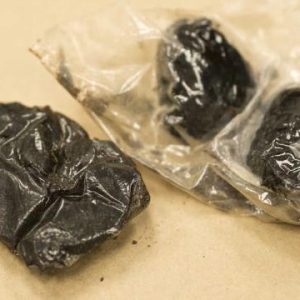
Black tar heroin is a dark, sticky or solid-looking form of illicit heroin.
It is associated particularly with some North American markets and differs in physical appearance from powder forms.
Pharmaceutical diamorphine
Pharmaceutical diamorphine is a medically controlled opioid used in certain clinical situations.
Unlike illicit street products, authorised pharmaceutical medicines are manufactured and regulated under quality-control requirements.
The term should not be confused with the informal branding of street heroin.
Branded or stamped heroin
Some illicit heroin packages have names, symbols, numbers or logos.
Rolls Royce is an example of the type of expression that may be encountered in discussions of branded street substances.
Nevertheless, branding alone cannot establish whether the material contains heroin, synthetic opioids, adulterants or other substances.
4. Rolls Royce Heroin: General Chemical Specifications
Understanding the chemical characteristics of heroin provides important scientific background.
The following specifications describe diamorphine itself, not a guaranteed composition of anything carrying the Rolls Royce label.
| Specification | General information |
|---|---|
| Common chemical name | Diacetylmorphine |
| Alternative name | Diamorphine |
| Chemical family | Opioids |
| Drug classification | Semisynthetic opioid |
| Origin | Derived from morphine associated with the opium poppy |
| Molecular formula | C21H23NO5 |
| Approximate molecular mass | 369.42 g/mol |
| Primary pharmacological action | Opioid receptor activity |
| Main biological effects | Analgesia and central nervous system depression |
| Medical status | Controlled pharmaceutical medicine in certain jurisdictions |
Chemical identity
Diamorphine is a semisynthetic opioid associated with morphine.
It produces its pharmacological effects through interaction with opioid receptors. Following administration, it is rapidly converted into active metabolites, including morphine.
These compounds influence pain pathways and the brain’s reward system.
Composition and purity concerns
Illicit substances do not have a dependable standard composition.
Depending on the individual sample, street heroin may contain other substances, including adulterants, diluents or unexpected synthetic opioids.
Therefore, appearance, smell, texture, packaging and branding cannot provide reliable evidence of the actual chemical composition.
A product described as Rolls Royce Heroin should never be assumed to have a consistent chemical specification.
5. Reported Effects of Heroin on the Human Body
Rolls Royce Heroin affects several biological systems, particularly the central nervous system.
Its effects can differ significantly between individuals depending on their health, opioid tolerance, other medications and the actual contents of the substance.
Short-term psychological effects
Reported psychological effects include:
- Feelings of euphoria.
- Temporary emotional relaxation.
- Reduced perception of physical discomfort.
- Drowsiness and sedation.
- Changes in awareness and concentration.
- Impaired judgement and decision-making.
Although some individuals experience temporary pleasure or emotional relief, these effects do not make illicit heroin medically beneficial.
Physical effects
Heroin can produce several physical changes, including:
- Reduced breathing rate.
- Constricted pupils.
- Nausea and vomiting.
- Drowsiness.
- Reduced alertness.
- Constipation.
- Itching and skin flushing.
- Reduced physical coordination.
One of the most dangerous effects is respiratory depression.
When breathing becomes dangerously slow or stops, the brain and other organs may not receive enough oxygen. This can cause permanent injury or death.
Psychological and neurological consequences
Repeated exposure to opioids can affect the brain’s reward system.
Over time, individuals may develop tolerance, meaning that the same substance produces a different response than previously experienced.
Dependence can also develop, creating strong cravings and withdrawal symptoms.
According to the World Health Organization, opioid dependence can involve impaired control over consumption, increased priority given to drug use and continued use despite harmful consequences.
6. Potential Benefits and Medical Uses: Understanding the Difference
The word benefits requires careful explanation when discussing heroin.
There is no established health benefit to taking illicit Rolls Royce Heroin.
However, diamorphine has recognised medical applications in certain healthcare systems.
Medical pain management
Pharmaceutical diamorphine is a powerful opioid analgesic.
Under appropriate medical supervision, it can be used in certain circumstances involving severe pain.
Its clinical application requires professional assessment, appropriate monitoring and consideration of individual medical risks.
Specialist medical treatment
In the United Kingdom, diamorphine remains a licensed prescription medicine for particular medical circumstances, including severe pain and palliative care.
Specialist doctors may also prescribe it in carefully controlled circumstances for opioid dependence.
These medical applications involve regulated pharmaceutical preparations and professional oversight. They are fundamentally different from illicit street heroin.
Why street heroin is different
Illicit heroin does not have the same quality assurance as an authorised medicine.
A street-market label does not establish:
- The identity of the active substance.
- The amount of heroin present.
- The presence of synthetic opioids.
- The presence of unexpected contaminants.
- The possibility of dangerous interactions.
Consequently, medical evidence concerning pharmaceutical diamorphine must not be used to suggest that an illicit product is safe or therapeutically beneficial.
7. Health Risks and Possible Side Effects
Heroin can cause serious short-term and long-term health complications.
Opioid overdose
Overdose is one of the most serious dangers associated with heroin.
It occurs when the substance causes excessive depression of the central nervous system, particularly the part of the brain responsible for controlling breathing.
Possible warning signs include:
- Extremely slow or irregular breathing.
- Unconsciousness.
- Difficulty waking someone.
- Very small pupils.
- Blue or grey lips and fingernails.
- Pale, cold or clammy skin.
- Unresponsiveness.
An opioid overdose is a medical emergency.
Emergency services should be contacted immediately. Naloxone, an opioid overdose reversal medication, can restore breathing in many cases and may save a person’s life. Emergency medical assistance is still essential because symptoms can return.
Physical dependence
Repeated opioid exposure can result in physical dependence.
When dependence develops, reducing or stopping opioid use may produce withdrawal symptoms.
These can include sweating, muscle discomfort, diarrhoea, nausea, vomiting, restlessness, insomnia and anxiety.
Professional medical support can help individuals manage withdrawal and access continuing treatment.
Long-term health consequences
Long-term opioid dependence can affect several aspects of life and health.
Potential consequences include:
- Persistent gastrointestinal problems.
- Hormonal disturbances.
- Sleep difficulties.
- Depression and anxiety.
- Reduced physical wellbeing.
- Social isolation.
- Financial difficulties.
- Increased risk of infectious diseases associated with unsafe injecting practices.
Furthermore, combining heroin with alcohol, benzodiazepines or other sedating substances can substantially increase respiratory depression and overdose risk.
8. Worldwide Impact of Heroin and Opioid Misuse
Heroin-related harm is not limited to one country or geographical region.
It remains an important component of the wider international opioid problem.
Europe
Rolls Royce Heroin continues to contribute significantly to opioid-related health problems in European countries.
According to the European Union Drugs Agency’s European Drug Report 2026, heroin was estimated to be involved in approximately 1,600 drug-induced deaths in the European Union during 2024.
The agency also explains that many fatal overdoses involve multiple substances rather than one isolated drug.
These findings highlight the importance of treatment services, public-health education and overdose prevention.
North America
North America has experienced substantial opioid-related public-health challenges.
The availability of highly potent synthetic opioids, particularly illicit fentanyl, has changed the nature of many drug-related risks.
An important concern is that substances sold under one name may contain unexpected opioids or other dangerous compounds.
This demonstrates why branding cannot be treated as evidence of chemical identity.
Asia
Asia has a significant historical relationship with opium cultivation, production and trafficking.
South Asia and South-West Asia have been important areas in international discussions concerning illicit opiate production and supply routes.
Changes in production, government policies, trafficking networks and international enforcement can influence regional drug markets.
Africa
Many African countries face public-health challenges involving opioids, other psychoactive substances and limited access to specialist addiction services.
Healthcare access, education, social inequalities and the availability of treatment can influence the consequences of substance dependence.
Latin America
Latin American countries experience different patterns of drug production, trafficking and consumption.
Although regional drug concerns vary, organised criminal activity, violence, economic instability and public-health consequences can intersect with international drug markets.
Worldwide public-health consequences
Rolls Royce Heroin-related problems affect more than the individuals who consume the substance.
Families, communities, healthcare systems, social services and criminal justice institutions may all experience consequences.
For this reason, opioid dependence should be approached as an important public-health and social issue rather than simply an individual behavioural problem.
9. Economic and Social Impact
The worldwide impact of heroin extends beyond its direct physical effects.
Healthcare expenditure
Emergency treatment, hospital admissions, long-term healthcare and addiction services require considerable financial and professional resources.
Family relationships
Opioid dependence can contribute to family conflict, emotional distress and difficulties maintaining relationships.
Family members may also experience uncertainty, financial pressure and psychological stress.
Employment and education
Substance dependence can affect concentration, attendance, personal responsibilities and employment stability.
Young people affected by substance misuse may experience educational difficulties and problems maintaining positive social relationships.
Organised crime
Illicit Rolls Royce Heroin markets can generate income for criminal networks.
These networks may be associated with violence, exploitation, corruption and other illegal activities.
Public-health inequality
Access to addiction treatment and recovery services differs substantially between countries.
Communities experiencing economic hardship may also face barriers involving healthcare access, stigma and limited prevention programmes.
10. Prevention, Treatment and Harm Reduction
Education is an important component of preventing opioid-related harm.
Understanding the risks associated with heroin can help individuals, families and communities recognise problems and seek assistance.
Naloxone availability
Naloxone is an important emergency medication used to reverse opioid overdoses.
The World Health Organization recognises its potential to prevent deaths when administered promptly.
Opioid dependence treatment
Evidence-based treatment options include opioid agonist medicines such as methadone and buprenorphine.
These treatments can help manage dependence, reduce cravings and improve long-term stability.
Counselling and psychological support
Psychological support can help address emotional difficulties, trauma, anxiety, depression and other factors that may contribute to substance dependence.
Community education
Schools, healthcare organisations and community services can support prevention through accurate information about opioid risks, overdose recognition and available treatment.
Importantly, education should avoid stigmatising people affected by addiction.
Access to healthcare
Accessible healthcare services can improve the likelihood that individuals seek support before serious complications develop.
Confidentiality, respectful communication and appropriate treatment options are important components of effective recovery services.
11. Frequently Asked Questions About Rolls Royce Heroin
1. What is Rolls Royce Heroin?
Rolls Royce Heroin is an informal street-market name associated with heroin branding. It is not a recognised pharmaceutical grade or internationally standardised chemical formulation.
2. Is Rolls Royce Heroin a different chemical substance?
The name itself does not identify a distinct chemical compound. If the material contains heroin, its active compound is diamorphine. However, the actual contents of an illicit sample cannot be established from its branding.
3. What is the origin of heroin?
Heroin was first synthesised by C. R. Alder Wright in 1874. Bayer subsequently introduced it commercially in Germany in 1899. It is derived from morphine, which originates from the opium poppy.
4. What are the general types of heroin?
Common general classifications include white or off-white powder, brown heroin, black tar heroin and pharmaceutical diamorphine. These descriptions do not establish the actual composition or safety of an illicit sample.
5. What are the chemical specifications of heroin?
Diamorphine has the molecular formula C21H23NO5 and an approximate molecular mass of 369.42 g/mol. These specifications describe the pure chemical compound, not a branded street-market product.
6. Does the Rolls Royce name guarantee purity?
No. A street name, stamp, logo or packaging design cannot guarantee purity, potency or chemical identity.
7. What are the main effects of heroin?
Rolls Royce Heroin can produce euphoria, sedation, pain relief, nausea, impaired coordination and respiratory depression. Its effects vary according to individual circumstances and the substance’s actual composition.
8. Is heroin medically useful?
Pharmaceutical diamorphine has recognised medical applications in certain jurisdictions, including severe pain management. However, this does not mean illicit heroin has an established medical benefit.
9. Can heroin cause dependence?
Yes. Repeated exposure can lead to opioid tolerance, physical dependence, cravings and withdrawal symptoms. Professional treatment can help people manage dependence.
10. Why is heroin overdose dangerous?
Heroin can suppress the brain’s breathing-control mechanisms. Severe respiratory depression may result in oxygen deprivation, brain injury and death.
11. What is naloxone?
Naloxone is an emergency medication that can reverse opioid overdose temporarily. It is an important component of overdose prevention, although emergency medical attention remains necessary.
12. Is heroin legal worldwide?
Rolls Royce Heroin is subject to strict international controls and is illegal for unauthorised possession and supply in many jurisdictions. Pharmaceutical diamorphine may be permitted under specific medical regulations. Exact laws and penalties vary by country.
13. What is the worldwide impact of heroin?
Heroin contributes to opioid dependence, overdose deaths, healthcare expenditure, family difficulties, economic instability and criminal-market activity. Its impact varies across regions.
14. Can a drug’s appearance establish its contents?
No. Colour, texture, packaging and branding cannot reliably identify a substance. Laboratory analysis is required to establish its chemical composition.
Conclusion
Rolls Royce Heroin illustrates the importance of understanding informal drug-market branding and the wider issues associated with illicit opioids.
Although heroin has a documented pharmaceutical and chemical history, the Rolls Royce name does not establish a medically recognized formulation, standardized quality or verified composition.
Its wider significance is connected to the international challenges surrounding opioid misuse, dependence, accidental poisoning and organised criminal markets.
Furthermore, the health consequences can extend beyond the individual, affecting families, workplaces, healthcare institutions and entire communities.
Ultimately, accurate education, evidence-based treatment, overdose prevention and accessible healthcare are essential to addressing the worldwide impact of heroin.
Educational disclaimer: This article is intended exclusively for scientific awareness, public-health education and general informational purposes. It is not a product advertisement, medical recommendation or guide to acquiring, preparing or consuming controlled substances. K2 spice Paper
| Quantity | 5 grams, 10 grams, 30 grams, 50 grams, 100 grams, 250 grams, 500 grams |
|---|
Add a review
 Rolls Royce Heroin
Your review
* Review is required
Name
* Name is required
Email
* Email is required
Add photos or video to your review
Related Products
-
White Heroin
Price range: $250.00 through $3,500.00Heroin paraphernalia:
Heroin also known as china white or α-Methylfentanyl (or alpha-Methylfentanyl) an opioid analgesic that is an analog of fentanyl. It is sometimes sold as “China White“.
Telegram ID : kokapartyshop
Email: [email protected]
-
China White Heroin
Original price was: $80.00.$50.00Current price is: $50.00.China White Heroin
Heroin Injection:
Intravenous use of heroin (and any other substance) with needles and syringes or other related equipment may lead to:
Contracting blood-borne pathogens such as HIV and hepatitis via the sharing of needles
Contracting bacterial or fungal endocarditis and possibly venous sclerosis
Abscesses
Poisoning from contaminants added to “cut” or dilute heroin
Decreased kidney function (nephropathy), although it is not currently known if this is because of adulterants or infectious diseasesTelegram ID : kokapartyshop
Email: [email protected]
-
Black Tar Heroin
Price range: $250.00 through $3,500.00Black tar heroin
is a form of heroin that is sticky like tar or hard like coal. Its dark color is the result of crude processing methods that leave behind impurities. Despite its name, black tar heroin can also be dark orange or dark brown in appearance.
Telegram ID : kokapartyshop
Email: [email protected]
-
Arctic Wolf Heroin
Price range: $200.00 through $2,500.00Arctic Wolf Heroin
We are specialist in discreet packaging. If you were looking for a secure place to buy heroin online, then search no more. Buy Rolls Royce Heroin USA and have it delivered right at your door steps.
Telegram ID : kokapartyshop
Email: [email protected]

Reviews
There are no reviews yet