
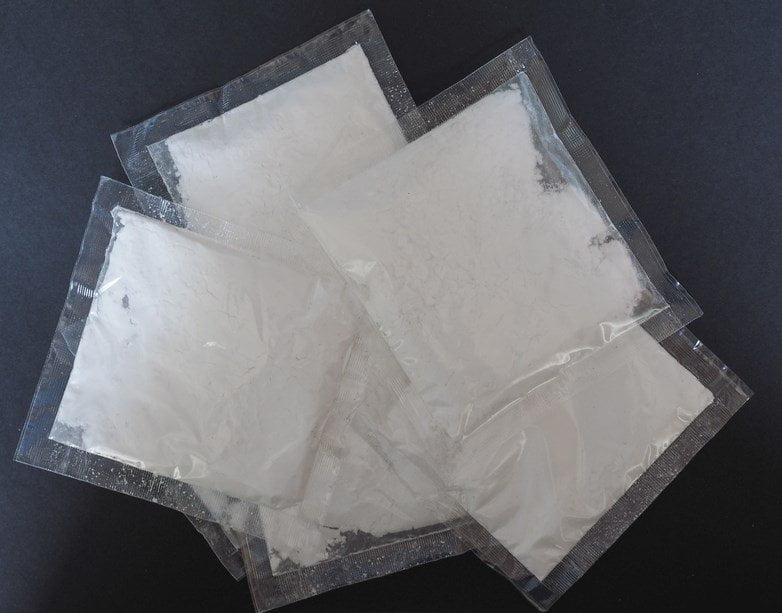
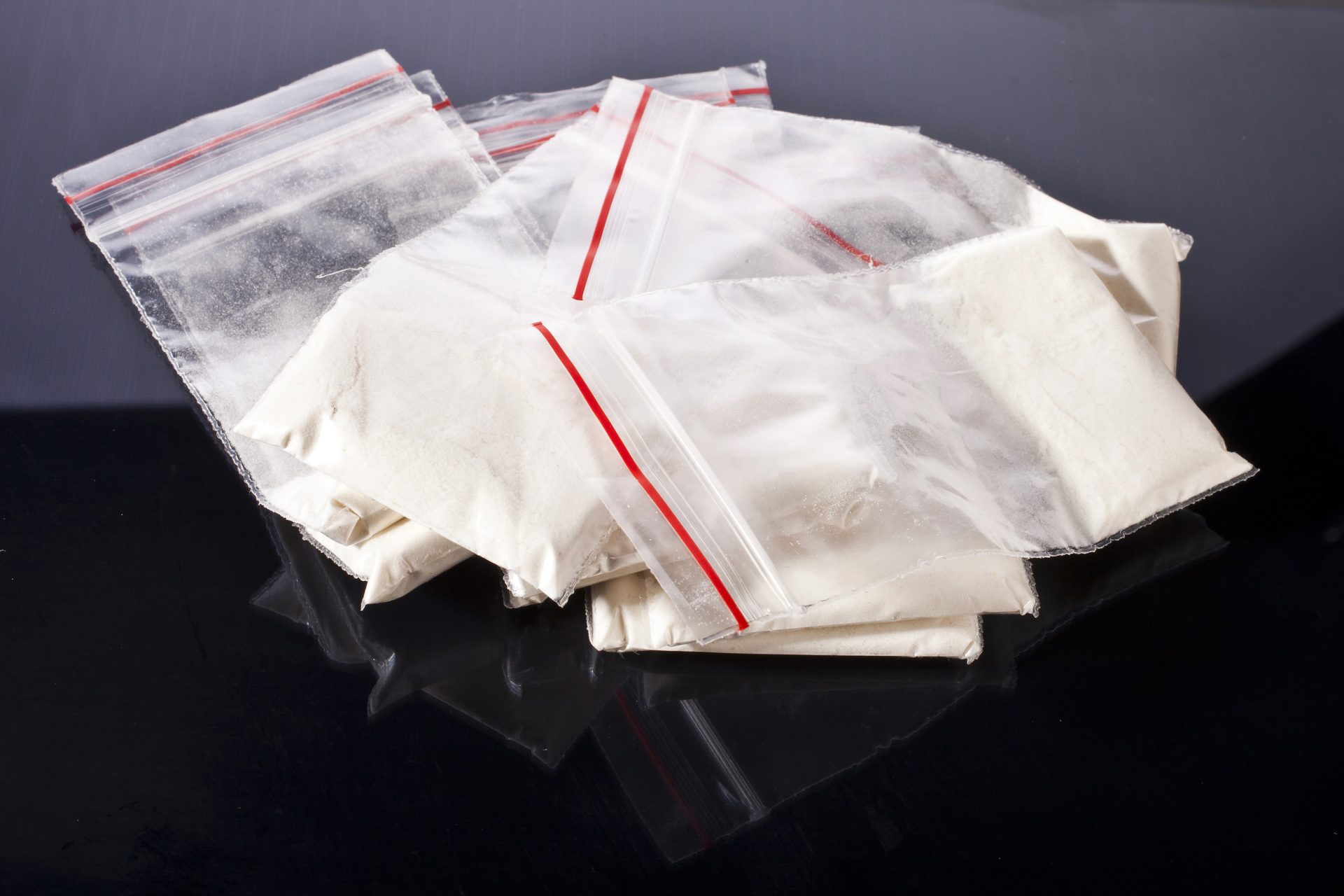
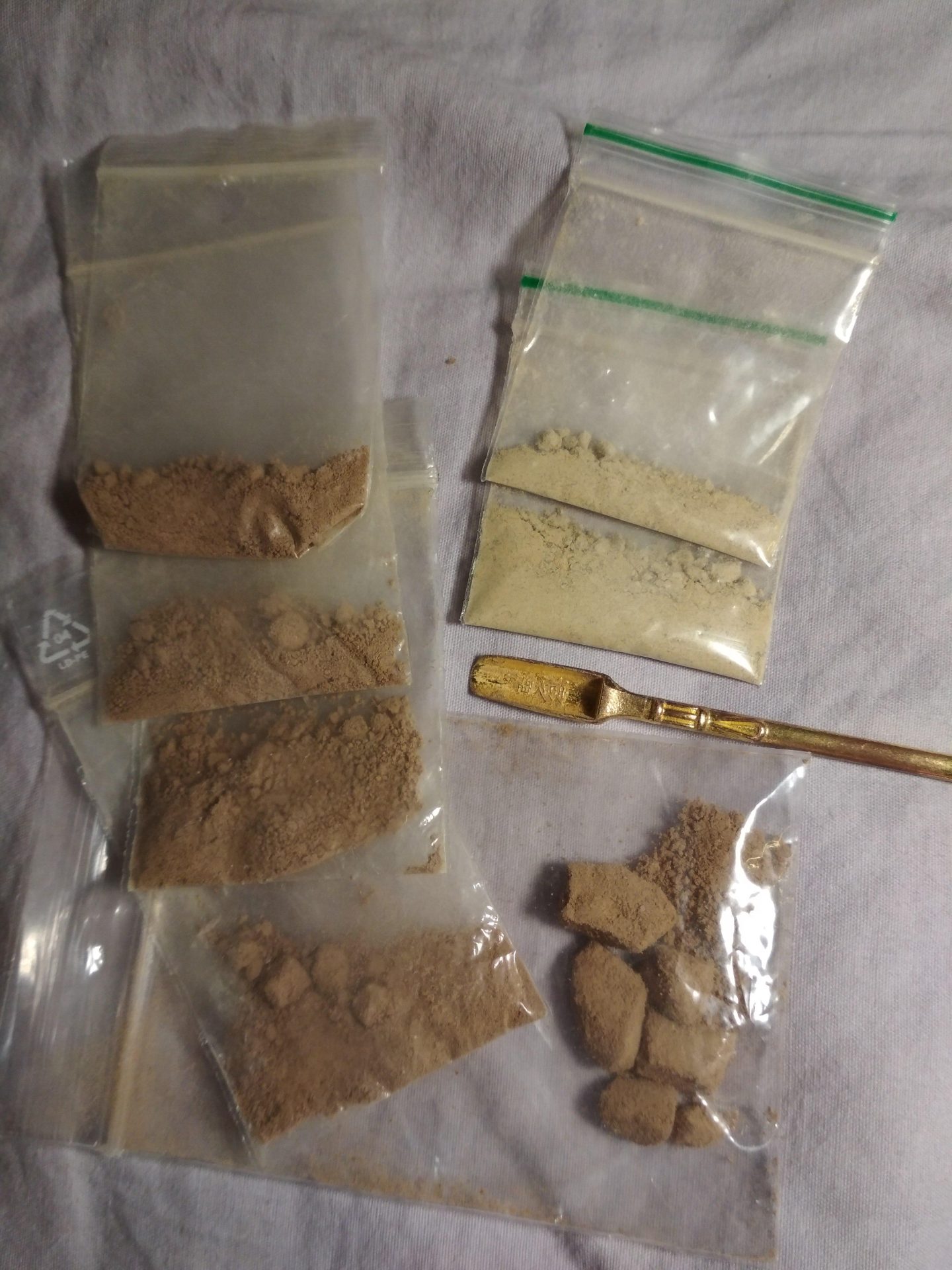
White Heroin
Price range: $250.00 through $3,500.00
Heroin paraphernalia:
Heroin also known as china white or α-Methylfentanyl (or alpha-Methylfentanyl) an opioid analgesic that is an analog of fentanyl. It is sometimes sold as “China White“.
Telegram ID : kokapartyshop
Email: [email protected]
1. Introduction to White Heroin
White heroin is a term commonly used to describe a white or off-white powder form of heroin, an illegal and highly addictive opioid derived from morphine. Its scientific name is diacetylmorphine, also known as diamorphine. Morphine itself originates from the opium poppy (Papaver somniferum).
White heroin is frequently discussed in medical research, toxicology, forensic science, international drug policy and public-health education. However, it is important to understand that the colour of a powder does not establish its chemical identity, purity, strength or safety. Arctic Wolf Heroin
Unlike pharmaceutical medicines manufactured under controlled conditions, illicit heroin can have unpredictable composition. It may contain cutting agents, other opioids or dangerous synthetic substances. Consequently, a white appearance should never be interpreted as evidence of high quality or pharmaceutical purity.
This educational guide examines white heroin’s historical background, general types, chemical characteristics, claimed benefits, health effects, frequently asked questions and wider social impact in Europe.
Important terminology: White heroin is not a separate scientifically recognized pharmaceutical category. It is primarily a street-market description of appearance.
2. Origin and History of White Heroin
The history of heroin is connected to the long-standing use of the opium poppy as a source of medicinal substances.
Opium contains several naturally occurring alkaloids, including morphine and codeine. During the nineteenth century, scientists investigated ways of modifying these compounds to understand their medicinal properties.
In 1874, English chemist C. R. Alder Wright first synthesized diacetylmorphine from morphine. Later, in the 1890s, Bayer developed and commercially introduced heroin as a pharmaceutical product.
Initially, heroin was promoted as a medicine, including as a treatment for cough and respiratory complaints. However, subsequent medical research revealed its substantial dependence potential and serious health consequences.
As scientific understanding developed, governments introduced increasingly strict controls.
Today, heroin is internationally controlled, although diamorphine has limited legitimate medical applications in certain countries under strict supervision.
Geographic origins
Historically, major heroin-producing regions have included:
-
Afghanistan and neighboring areas of Southwest Asia.
-
Myanmar and parts of Southeast Asia.
-
Other regions involved in illicit opium cultivation and processing.
The geographic origin of a particular substance cannot reliably be identified from its colour or appearance.
3. Types and Forms of Heroin
Heroin is discussed in several forms in forensic science and drug education. These descriptions generally refer to physical appearance and chemical characteristics rather than separate medicines.
1. White powder heroin
A white or off-white powder associated with certain forms of diamorphine. Its appearance does not establish its actual chemical composition or purity.
2. Brown powder heroin
A brown or beige powder encountered in various illicit markets. Its colour can be affected by processing, impurities and added substances.
3. Black tar heroin
A dark, sticky or resin-like form associated with particular illicit production markets. It differs visually from powder forms.
These categories are useful for educational comparisons, but appearance alone cannot identify an unknown substance. Laboratory analysis is necessary to establish chemical identity.
4. White Heroin: General Chemical Specifications
From a scientific perspective, heroin belongs to the semi-synthetic opioid family. It is produced from morphine, a naturally occurring opium-poppy alkaloid.
The following information describes the recognised chemical compound, not the composition of any illicit street sample.
| Specification | General scientific information |
|---|---|
| Scientific name | Diacetylmorphine |
| Alternative name | Diamorphine |
| Chemical class | Semi-synthetic opioid |
| Molecular formula | C₂₁H₂₃NO₅ |
| Molecular weight | Approximately 369.4 g/mol |
| CAS number | 561-27-3 |
| Natural precursor | Morphine |
| Pharmacological classification | Opioid analgesic |
| Primary receptor activity | Mu-opioid receptor agonism |
Understanding its chemical properties
Heroin acts on opioid receptors in the central nervous system. It can produce powerful changes in pain perception, emotional responses and respiratory function.
An important characteristic is its ability to enter the brain rapidly. Once inside the body, it is metabolised into active compounds, including 6-monoacetylmorphine and morphine.
However, the chemical specifications of pure diacetylmorphine should never be confused with the specifications of illicit white powder. Street samples can contain unknown chemicals, contaminants and other opioids.
5. Potential Benefits and Medical Applications
The word benefits requires careful explanation when discussing heroin.
Heroin can produce temporary feelings of relaxation, euphoria and reduced awareness of physical discomfort. These are pharmacological effects rather than evidence of genuine health benefits.
Medical applications
Diacetylmorphine has historically been used as a powerful opioid pain-relieving medicine.
In some countries, pharmaceutical diamorphine has limited applications in carefully supervised medical environments. In addition, certain European countries have developed supervised diamorphine-assisted treatment programmes for selected individuals with severe opioid dependence who have not benefited sufficiently from other treatments.
These programmes are substantially different from consuming illicit heroin. They involve medical assessment, controlled pharmaceutical products and professional supervision.
Why recreational use is dangerous
The potential for dependence, respiratory depression and fatal overdose significantly outweighs any temporary pleasurable effects.
Therefore, illicit white heroin should not be described as a wellness product, safe painkiller or treatment for anxiety, depression or sleep disorders.
6. Short-Term Effects of White Heroin
Heroin affects the brain and nervous system by activating opioid receptors.
Possible short-term effects include:
-
Euphoria and temporary feelings of pleasure.
-
Sedation and extreme relaxation.
-
Reduced awareness of pain.
-
Drowsiness and confusion.
-
Nausea and vomiting.
-
Constricted pupils.
-
Itching and sweating.
-
Slowed or impaired breathing.
One of the most dangerous effects is respiratory depression, in which breathing becomes dangerously slow or stops.
The severity of these effects varies according to the substance’s composition, individual health, tolerance and the presence of other drugs.
7. Long-Term Health Effects and Risks
Repeated heroin exposure can lead to physical dependence and opioid use disorder.
Long-term consequences may include:
Physical health problems: Chronic constipation, poor nutrition, weight loss, hormonal changes and sleep disturbances.
Mental health consequences: Depression, anxiety, emotional instability, memory difficulties and changes in behaviour.
Infectious diseases: Sharing contaminated injection equipment can transmit HIV, hepatitis B and hepatitis C.
Social consequences: Financial difficulties, relationship problems, unemployment, homelessness and social isolation.
Dependence and withdrawal: Regular exposure can lead to tolerance, cravings and withdrawal symptoms when use stops.
Withdrawal may involve abdominal cramps, sweating, nausea, diarrhoea, insomnia, anxiety and muscle discomfort. Medical support can make treatment safer and more manageable.
Recognising a heroin overdose
Medical emergency
A suspected opioid overdose may involve:
-
Unconsciousness or inability to wake someone.
-
Very slow, shallow or absent breathing.
-
Blue or grey lips and fingertips.
-
Gurgling or unusual snoring sounds.
-
Extremely small pupils.
Call emergency services immediately. Administer naloxone if available, following the product instructions. Naloxone can temporarily reverse opioid overdose, but emergency medical assessment remains essential. Rolls Royce Heroin
8. White Heroin and Its Impact in Europe
Heroin remains an important public-health and drug-policy concern across Europe. Although the characteristics of the illicit opioid market are changing, heroin continues to contribute to addiction, hospital emergencies and drug-related mortality.
According to the European Union Drugs Agency’s European Drug Report 2026, the following figures illustrate the wider opioid situation.
Public-health consequences
1. Addiction and treatment demand
Heroin dependence creates long-term challenges for healthcare services. People experiencing opioid use disorder may need medical treatment, psychological support and ongoing social assistance.
2. Overdose deaths
Heroin remains a significant contributor to opioid-related mortality. Importantly, the EUDA estimated that opioids were involved in approximately seven out of ten fatal overdoses in the EU in 2024, frequently alongside other substances.
3. Contaminated drug supplies
Illicit substances can contain unexpected opioids or other additives. Fentanyl and newer synthetic opioids are particularly important concerns because their presence can make the composition and risks of illicit drug supplies more unpredictable.
4. Social and economic pressures
Opioid dependence can affect employment, families, housing stability and community wellbeing. Governments consequently need coordinated approaches involving healthcare, prevention, social services and law enforcement.
5. Prevention and rehabilitation
European responses include opioid agonist treatment, naloxone distribution, prevention programmes, specialist treatment and harm-reduction services. These approaches aim to reduce mortality and improve the quality of life of affected individuals.
9. Frequently Asked Questions About White Heroin
Q1. What is white heroin?
White heroin is a street-market term describing a white or off-white powder associated with diamorphine. Its appearance does not prove that it contains heroin or establish its strength.
Q2. What is the scientific name of heroin?
The scientific name is diacetylmorphine, also known as diamorphine.
Q3. Where does heroin originate?
Heroin originates from morphine, which is naturally found in the opium poppy. Illicit production has historically been associated with parts of Southwest Asia, Southeast Asia and other opium-producing regions.
Q4. Is white heroin different from brown heroin?
The descriptions mainly distinguish physical appearance. Both may contain heroin, but their actual chemical composition and purity cannot be established by colour alone.
Q5. Does white colour indicate high purity?
No. White powder may contain cutting agents, other opioids or unknown substances. Laboratory testing is required to identify its composition.
Q6. What are the major effects of heroin?
Heroin can cause euphoria, sedation, pain reduction, nausea, confusion, dependence and potentially fatal respiratory depression.
Q7. Does heroin have legitimate medical applications?
Pharmaceutical diamorphine has limited medical applications in certain countries, including supervised treatment settings. This does not make illicit heroin safe.
Q8. Is white heroin legal in Europe?
Illicit heroin is controlled under national laws and international drug-control frameworks. The specific penalties and rules differ between European countries. Certain authorized medical applications are possible under strict regulation.
Q9. Why is heroin a public-health concern in Europe?
Its addictive properties, overdose risks, unpredictable street composition and associated social consequences create substantial challenges for public-health authorities.
Q10. Can heroin dependence be treated?
Yes. Evidence-based treatment includes medications such as methadone and buprenorphine, psychological support and ongoing recovery services.
- White Heroin
10. Conclusion: Understanding White Heroin Through Education
White heroin is an important subject in modern pharmacology, forensic toxicology, addiction research and European public-health education. Its historical connection to morphine demonstrates how a substance originally developed and marketed for medical purposes can become associated with severe dependence and significant social harm.
Understanding its origins, chemical identity, different physical forms and effects helps distinguish scientific information from misleading street-market descriptions.
Furthermore, the European experience highlights the importance of prevention, early intervention, accessible addiction treatment and effective overdose-response programmes. Black Tar Heroin
For educational purposes, the most important conclusion is that the appearance of an illicit powder cannot establish its safety, purity or chemical identity. Evidence-based public-health information is essential for understanding and reducing the consequences of opioid dependence.
| Quantity | 5 grams, 10 grams, 30 grams, 50 grams, 100 grams, 250 grams, 500 grams |
|---|
Add a review
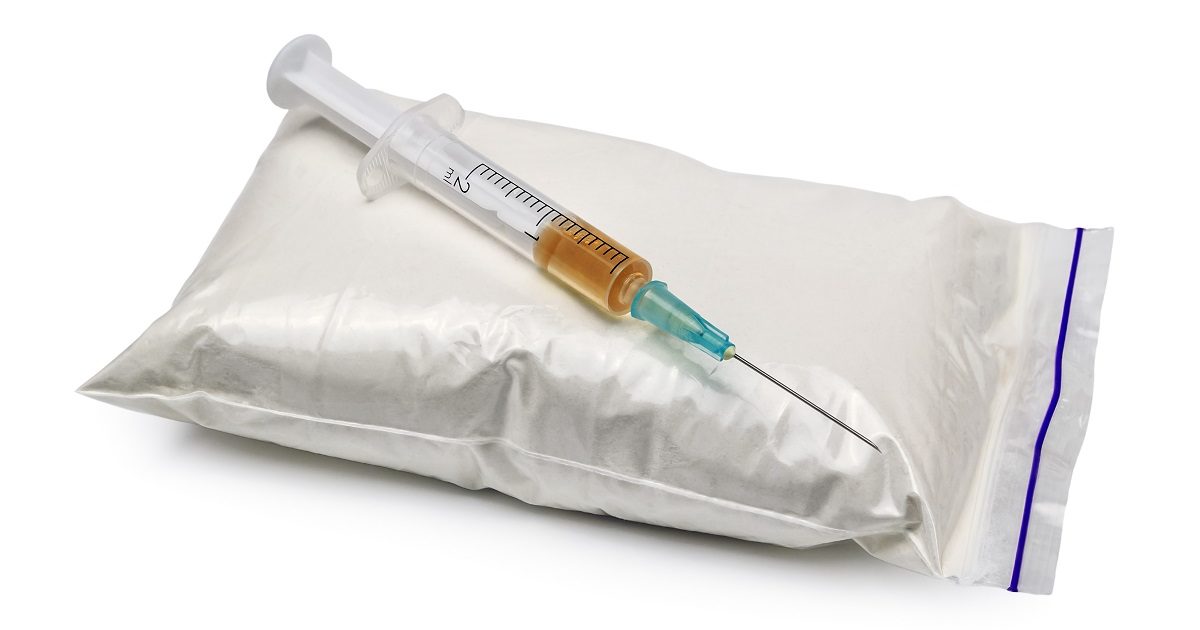 White Heroin
Your review
* Review is required
Name
* Name is required
Email
* Email is required
Add photos or video to your review
Related Products
-
Arctic Wolf Heroin
Price range: $200.00 through $2,500.00Arctic Wolf Heroin
We are specialist in discreet packaging. If you were looking for a secure place to buy heroin online, then search no more. Buy Rolls Royce Heroin USA and have it delivered right at your door steps.
Telegram ID : kokapartyshop
Email: [email protected]
-
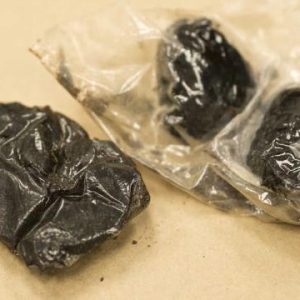
Black Tar Heroin
Price range: $250.00 through $3,500.00Black tar heroin
is a form of heroin that is sticky like tar or hard like coal. Its dark color is the result of crude processing methods that leave behind impurities. Despite its name, black tar heroin can also be dark orange or dark brown in appearance.
Telegram ID : kokapartyshop
Email: [email protected]
-
Rolls Royce Heroin
Price range: $200.00 through $3,500.00“Rolls Royce heroin” refers to high-purity heroin rather than a specific chemical variant, but it generally carries these specifications:
- Purity: Rolls Royce heroin is typically between 80-99% pure diacetylmorphine, meaning it has fewer cutting agents or adulterants. This purity level can vary by batch but is much higher than street-level heroin, which is often 20-40% pure.
- Appearance: It usually appears as a fine, white or off-white powder. This indicates thorough refinement and absence of impurities or crude processing, common in brown or black tar heroin.
- Solubility: High-purity heroin is more soluble in water, making it easier to prepare for injection without needing heat or other additives to dissolve, leading to a cleaner and quicker preparation.
- Potency: Due to its purity, it requires smaller doses to achieve effects. For perspective, 5–10 mg of pure heroin could be lethal for a non-tolerant individual, and Rolls Royce heroin often falls close to this purity level.
- Sourcing and Quality Control: Often sourced from regions like Southeast Asia (notably Myanmar), where certain batches undergo more rigorous refinement processes, resulting in higher quality.
- Cutting Agents: While still subject to cutting with inactive or less harmful substances (like lactose), it is less likely to contain harmful adulterants found in street heroin, such as fentanyl or other potent opioids.
The high potency and purity associated with Rolls Royce heroin significantly increase overdose risks, especially for users accustomed to lower-quality, adulterated forms.
Telegram ID : kokapartyshop
Email: [email protected]
-
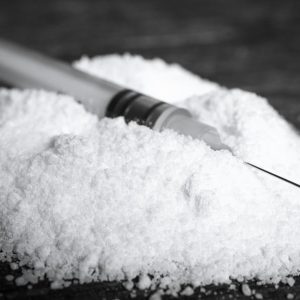
China White Heroin
Original price was: $80.00.$50.00Current price is: $50.00.China White Heroin
Heroin Injection:
Intravenous use of heroin (and any other substance) with needles and syringes or other related equipment may lead to:
Contracting blood-borne pathogens such as HIV and hepatitis via the sharing of needles
Contracting bacterial or fungal endocarditis and possibly venous sclerosis
Abscesses
Poisoning from contaminants added to “cut” or dilute heroin
Decreased kidney function (nephropathy), although it is not currently known if this is because of adulterants or infectious diseasesTelegram ID : kokapartyshop
Email: [email protected]
Reviews
There are no reviews yet