
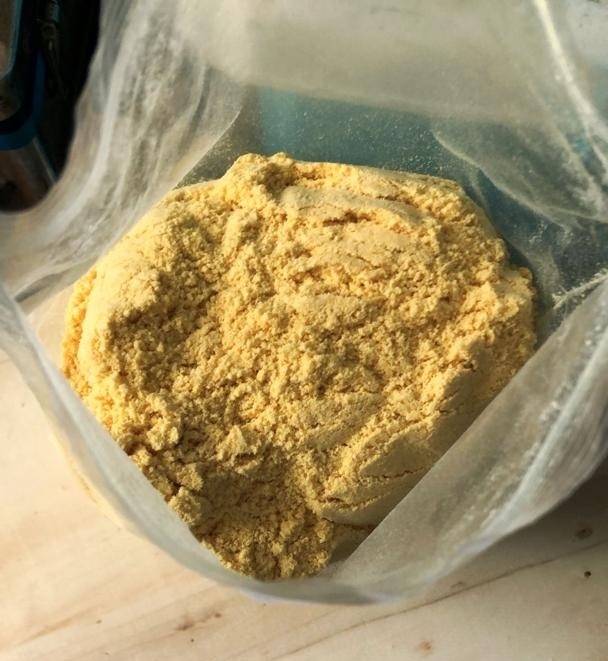
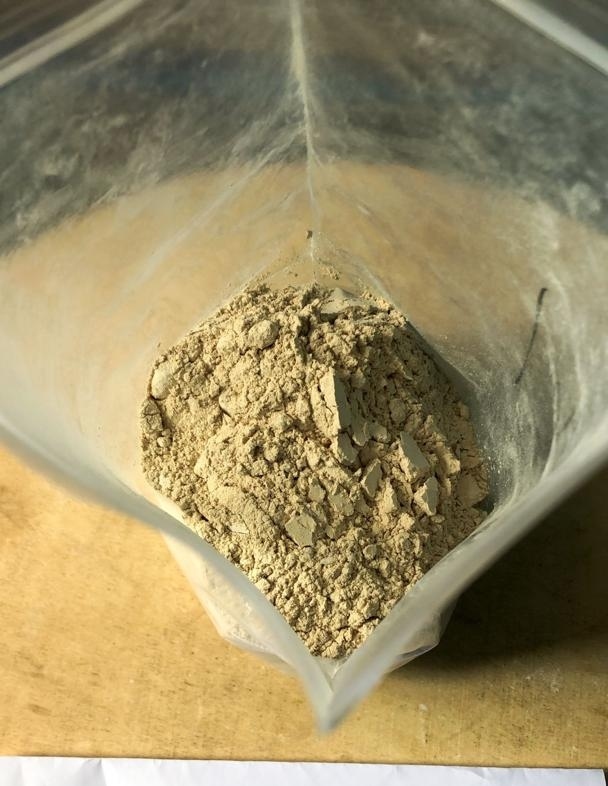
JWH-018 synthetic cannabinoid
Original price was: $60.00.$45.00Current price is: $45.00.
JWH-018 synthetic cannabinoid
JWH-018, also known as AM-678, is a laboratory-developed synthetic cannabinoid belonging to the naphthoylindole chemical family. Initially investigated for its interaction with CB1 and CB2 cannabinoid receptors, it later became associated with Spice and K2 products. Explore its chemical specifications, origin, pharmacological properties, reported effects, health risks, and legal status. This educational overview highlights its scientific significance and potential dangers to public health.
1. Introduction to JWH-018 Synthetic Cannabinoid
JWH-018 synthetic cannabinoid, also known as AM-678, is a synthetic cannabinoid belonging to the naphthoylindole chemical family. It is a laboratory-developed compound that interacts with the body’s cannabinoid receptor system, particularly the CB1 and CB2 receptors.
Unlike naturally occurring cannabinoids found in the cannabis plant, JWH-018 is produced through chemical synthesis. Its pharmacological activity has attracted attention from researchers studying cannabinoid receptors, neurological signalling, and the differences between natural and synthetic cannabinoid compounds.
JWH-018 became widely known after authorities identified it in products marketed under names such as Spice and K2. These products were frequently advertised as herbal incense or alternative smoking mixtures, despite containing synthetic substances capable of producing powerful psychoactive effects.
An important distinction is that JWH-018 is not simply another form of cannabis. Its receptor activity, potency, metabolism, and potential toxicity differ considerably from those of naturally occurring THC.
According to the United Nations Office on Drugs and Crime (UNODC), JWH-018 is internationally classified as a synthetic cannabinoid receptor agonist.
2. Origin and History of JWH-018 synthetic cannabinoid
JWH-018 originated in scientific research conducted during the 1990s. The compound belongs to a wider family of synthetic cannabinoids associated with the research of American chemist John W. Huffman, whose initials appear in the JWH compound naming system.
The original research investigated how different chemical structures interact with cannabinoid receptors. Scientists wanted to understand the biological mechanisms responsible for cannabinoid activity and how modifications to molecular structures could influence receptor interactions.
At the time, the research was primarily concerned with pharmacology rather than recreational consumption.
How JWH-018 synthetic cannabinoid entered the public market
The compound attracted international attention during the late 2000s.
In December 2008, European monitoring authorities reported JWH-018 in herbal smoking mixtures identified in Germany and Austria. These products were commonly associated with the Spice brand and similar commercial names.
The appearance of JWH-018 in recreational products created new challenges for public-health authorities because conventional drug-screening methods did not always identify emerging synthetic cannabinoids.
Over time, additional synthetic cannabinoid compounds appeared in recreational mixtures, creating an evolving public-health concern.
Today, JWH-018 is an important historical example of how substances initially developed for laboratory research can become associated with unregulated recreational markets.
3. Chemical Classification and Types
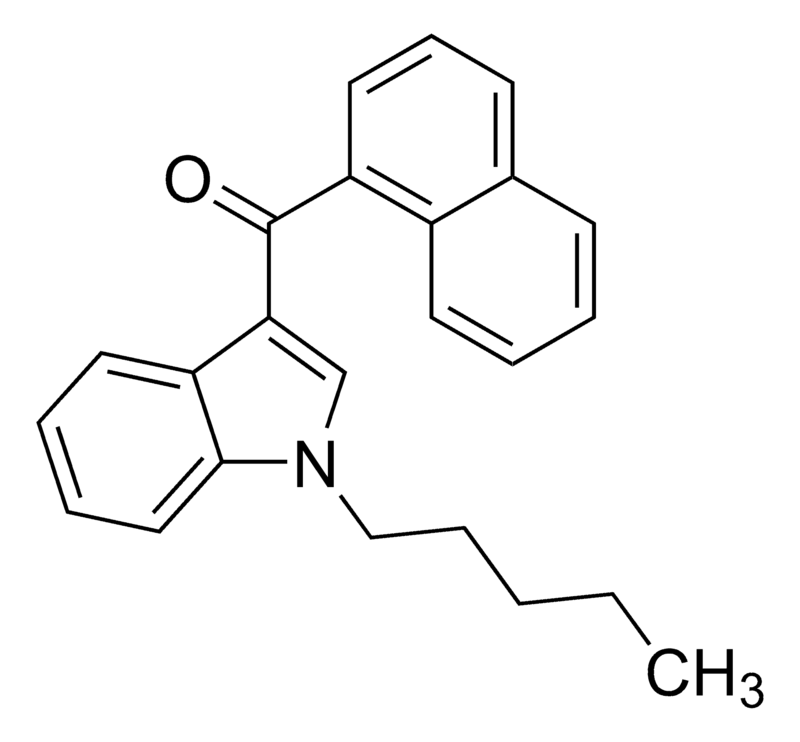
JWH-018 belongs to the naphthoylindole family of synthetic cannabinoids.
Synthetic cannabinoids are not one individual substance. They represent a broad collection of chemically diverse compounds that interact with cannabinoid receptors.
These substances can differ in their molecular structures, receptor activity, metabolic characteristics, and toxicological properties.
Main synthetic cannabinoid classifications
The following are examples of chemical families and related compounds.
1. Naphthoylindoles
This family includes JWH-018, JWH-073, and JWH-398. These compounds contain an indole-based structure connected to a naphthalene group.
2. Naphthylmethylindoles
These compounds contain an indole structure with a naphthylmethyl component. They represent another structural category of synthetic cannabinoids.
3. Naphthoylpyrroles
These compounds contain a pyrrole-based structure and belong to a different chemical classification from JWH-018.
4. Phenylacetylindoles
JWH-250 is an example of this family. Its molecular structure differs from the naphthoylindole structure of JWH-018.
5. Cyclohexylphenols
CP 47,497 and related compounds belong to this category.
6. Classical synthetic cannabinoids
HU-210 is an example of a synthetic cannabinoid with a structure related to classical cannabinoids.
These classifications are important because the term synthetic cannabinoid describes a broad pharmacological category rather than a single chemical structure.
4. JWH-018 Chemical Specifications
JWH-018 has a documented molecular identity that allows researchers, forensic laboratories, and toxicologists to distinguish it from other synthetic cannabinoids.
The following specifications describe the chemical identity of the original JWH-018 compound. They are reference information, not consumer-product quality specifications.
JWH-018 – Chemical reference profile
Common name
JWH-018
Alternative name
AM-678
Chemical family
Naphthoylindole
IUPAC name
Naphthalen-1-yl(1-pentyl-1H-indol-3-yl)methanone
CAS number
209414-07-3
Molecular formula
C₂₄H₂₃NO
Molecular weight
341.45 g/mol
Pharmacological classification
Synthetic cannabinoid receptor agonist
Primary receptor targets
CB1 and CB2
Research applications
Cannabinoid pharmacology and forensic analysis
Reference: UNODC substance database and US Drug Enforcement Administration chemical evaluation.
Understanding the molecular formula
The molecular formula C₂₄H₂₃NO indicates that one molecule contains:
-
24 carbon atoms.
-
23 hydrogen atoms.
-
One nitrogen atom.
-
One oxygen atom.
Its molecular structure is different from THC, the primary intoxicating cannabinoid found in cannabis.
Chemical identification is particularly important in forensic investigations because different synthetic cannabinoids may have similar names while possessing different molecular structures and biological activities.
5. How Does JWH-018 Work?
JWH-018 interacts with the endocannabinoid system, a biological signalling network involved in several physiological processes.
The two major cannabinoid receptors are:
CB1 receptors: These receptors are particularly abundant in the central nervous system. They participate in processes associated with memory, coordination, perception, appetite, and neurological signalling.
CB2 receptors: These receptors are associated primarily with immune-system activity and are also present in certain other tissues.
JWH-018 acts as an agonist at cannabinoid receptors. This means it activates the receptors rather than simply blocking them.
Research has demonstrated that JWH-018 can bind strongly to cannabinoid receptors and produce pharmacological activity associated with cannabinoid exposure.
Its receptor activity is one reason researchers distinguish synthetic cannabinoids from natural cannabis products.
Importantly, strong receptor activity does not establish medical usefulness. It can also be associated with unpredictable and dangerous biological effects.
6. Reported Effects on the Human Body
JWH-018 has been associated with a wide range of psychoactive and physical effects. Their severity can vary according to individual susceptibility, exposure, other substances involved, and the actual chemical composition of an unregulated product.
Psychological and neurological effects
Reported effects include:
-
Altered perception and sensory experiences.
-
Confusion and disorientation.
-
Anxiety and panic reactions.
-
Agitation and restlessness.
-
Memory and concentration difficulties.
-
Paranoia and hallucinations.
-
Severe psychiatric reactions, including psychosis.
Some individuals may experience profound changes in their perception of their surroundings.
Physical effects
Reported physical reactions include:
-
Rapid heartbeat.
-
Increased blood pressure.
-
Dizziness and impaired coordination.
-
Nausea and vomiting.
-
Sweating and tremors.
-
Reduced physical stability.
-
Seizures in serious cases.
Severe intoxication can require emergency medical attention.
Long-term concerns
Repeated exposure to synthetic cannabinoids raises concerns about psychological dependence, cognitive difficulties, and persistent mental-health complications.
However, the long-term effects of JWH-018 specifically are not fully understood, and research on synthetic cannabinoids continues to develop.
It is therefore inappropriate to assume that its effects are equivalent to those of cannabis or that it has a predictable safety profile.
7. Potential Benefits and Scientific Research Applications
When discussing the benefits of JWH-018, it is essential to distinguish between its historical scientific value and benefits to human health.
There is no established therapeutic benefit that justifies using JWH-018 as a recreational or self-administered substance. The World Health Organization’s review found no recognized therapeutic use for the compound.
Nevertheless, its pharmacological characteristics have made it relevant to several areas of scientific investigation.
1. Understanding cannabinoid receptors
JWH-018 has helped researchers investigate how synthetic molecules interact with CB1 and CB2 receptors.
This research contributes to a broader understanding of cannabinoid signalling and receptor activation.
2. Studying neurological signalling
Laboratory research involving cannabinoid receptor agonists can help scientists investigate the relationship between cannabinoid receptors and neurological processes.
JWH-018 is one of several compounds discussed in the scientific literature on synthetic cannabinoids.
3. Forensic toxicology
JWH-018 is relevant to forensic laboratories developing methods to identify synthetic cannabinoids in biological samples and seized materials.
Understanding its chemical identity and metabolites can assist toxicologists investigating suspected exposure.
4. Public-health research
Historical investigations of JWH-018 have helped authorities understand the emergence of synthetic cannabinoid products, their unpredictable compositions, and the difficulties associated with regulating newly emerging psychoactive substances.
Are these benefits suitable for consumers?
No. These applications concern laboratory investigation, forensic identification, and public-health research. They do not establish JWH-018 as a medicine, nutritional supplement, or safe recreational product.
8. JWH-018 Compared With Natural THC
Although JWH-018 and THC both interact with cannabinoid receptors, they are chemically different substances.
| Characteristic | JWH-018 | Natural THC |
|---|---|---|
| Origin | Laboratory synthesis | Cannabis plant |
| Chemical family | Naphthoylindole | Classical cannabinoid |
| Molecular formula | C₂₄H₂₃NO | C₂₁H₃₀O₂ |
| CB1 activity | Potent agonist | Partial agonist |
| Product consistency | Unregulated products may vary | Varies by cannabis preparation |
| Safety profile | Serious and unpredictable risks | Also carries health risks |
| Medical recognition | No established therapeutic use | Certain regulated medicines have recognized indications |
One of the most important differences is pharmacological activity. JWH-018 can produce strong cannabinoid receptor activation, and its effects should not be assumed to match those of ordinary cannabis.
9. Public-Health and Social Impact
The emergence of JWH-018 in recreational products created challenges for communities, healthcare professionals, law-enforcement organizations, and drug-monitoring agencies.
Impact on young people and students
Young people may encounter synthetic cannabinoids through misleading product descriptions or online information that presents them as harmless alternatives to cannabis.
Potential consequences include acute psychological distress, impaired concentration, school disruption, and emergency medical treatment.
Education about synthetic cannabinoids is important because product branding does not reliably communicate chemical composition or health risks.
Impact on correctional facilities
Synthetic cannabinoids have also presented particular challenges in correctional environments.
Their presence in some unregulated markets, combined with difficulties identifying individual compounds, creates additional challenges for prison healthcare staff and security personnel.
Potential consequences include intoxication emergencies, psychiatric disturbances, and increased demand for medical intervention.
Impact on healthcare systems
Emergency departments and poison-control services may encounter patients experiencing severe reactions after synthetic cannabinoid exposure.
Because different synthetic cannabinoids can produce different toxicological effects, accurate identification and appropriate clinical assessment are important.
Impact on society
The wider social consequences include:
-
Increased demand for toxicological testing.
-
Public-health education requirements.
-
Challenges for drug-control legislation.
-
Costs associated with emergency treatment.
-
Greater need for research into emerging psychoactive substances.
The history of JWH-018 demonstrates why accurate scientific information and prevention strategies are important when new psychoactive substances enter unregulated markets.
10. Legal and Regulatory Considerations
JWH-018 synthetic cannabinoid is internationally controlled under Schedule II of the 1971 United Nations Convention on Psychotropic Substances.
The United States has also classified it as a controlled substance under federal law. Many European countries have introduced controls on JWH-018 and related synthetic cannabinoids.
Legal treatment varies by jurisdiction, and regulations may cover possession, production, distribution, importation, and research activities.
In Canada, applicable federal controlled-substance legislation and regulations should be consulted before handling or conducting research involving JWH-018.
A substance being described as a research chemical does not automatically make its possession or distribution legal.
For authoritative information, consult:
11. Safety, Toxicity and Harm Prevention
JWH-018 should not be considered safe for human consumption.
Its strong cannabinoid receptor activity and the unpredictable composition of unregulated synthetic cannabinoid products create significant health concerns.
A particularly important issue is that products sold under the same brand or description may contain different chemicals or concentrations. Consequently, users cannot reliably predict their effects from product names or appearance.
Warning signs of serious exposure
Seek emergency medical assistance if someone exposed to a suspected synthetic cannabinoid experiences:
-
Seizures or loss of consciousness.
-
Severe agitation or hallucinations.
-
Chest pain or difficulty breathing.
-
Extreme confusion.
-
Dangerous changes in heart rate.
-
Uncontrolled movements or collapse.
Do not leave an affected person alone or attempt to manage severe symptoms without medical assistance.
The safest prevention strategy is to avoid exposure to unregulated synthetic cannabinoid products.
12. Frequently Asked Questions About JWH-018
1. What is JWH-018?
JWH-018 is a laboratory-developed synthetic cannabinoid belonging to the naphthoylindole chemical family. It acts on cannabinoid receptors in the human body and has been identified in some Spice and K2 products.
2. Is JWH-018 natural or synthetic?
JWH-018 is synthetic. Unlike THC and CBD, which occur naturally in cannabis plants, JWH-018 is produced through chemical synthesis.
3. What is another name for JWH-018?
AM-678 is a recognized alternative designation. Its chemical identity is also described by its systematic IUPAC name.
4. What is the molecular formula of JWH-018?
The molecular formula is C₂₄H₂₃NO, and its molecular weight is approximately 341.45 grams per mole.
5. Is JWH-018 the same as THC?
No. Both interact with cannabinoid receptors, but they have different molecular structures and pharmacological properties.
6. Is JWH-018 associated with Spice and K2?
Yes. JWH-018 was identified in herbal smoking mixtures marketed under names such as Spice and K2. These products sometimes contained multiple synthetic cannabinoids.
7. Does JWH-018 have medical benefits?
There are no established therapeutic benefits supporting its use as a medicine. Its scientific relevance primarily concerns cannabinoid receptor research, pharmacology, and forensic toxicology.
8. Can JWH-018 cause addiction?
Repeated exposure to synthetic cannabinoids can result in dependence. Withdrawal symptoms may include anxiety, irritability, sleep difficulties, and physical discomfort. The precise dependence profile of JWH-018 requires further study.
9. What are the potential side effects?
Potential adverse effects include anxiety, paranoia, hallucinations, confusion, rapid heartbeat, vomiting, seizures, and other serious complications.
10. Is JWH-018 legal?
JWH-018 is internationally controlled. National laws differ, but possession, supply, and production are restricted or prohibited in many jurisdictions.
11. Can JWH-018 be detected in laboratory testing?
Yes. Specialized forensic and toxicological laboratories can identify JWH-018 and certain metabolites using appropriate analytical techniques. Routine drug-screening panels may not detect every synthetic cannabinoid.
12. Why is JWH-018 considered dangerous?
Its potent receptor activity, unpredictable effects, potential for severe intoxication, and uncertain composition in unregulated products make it a significant public-health concern.
13. Is JWH-018 the same as JWH-073?
No. Both belong to the naphthoylindole family, but they have different molecular structures. JWH-018 has a pentyl substituent, while JWH-073 has a butyl substituent.
14. Is JWH-018 suitable for educational research?
It can be studied in appropriately authorized scientific, pharmacological, forensic, and toxicological settings. Such research requires compliance with applicable laws and institutional safety requirements.
13. Conclusion: Understanding the Scientific and Social Significance of JWH-018
JWH-018 synthetic cannabinoid remains an important compound in the history of synthetic cannabinoid research. Initially developed for laboratory investigations into cannabinoid receptors, it later became associated with recreational products marketed as Spice and K2.
Its history illustrates the differences between scientific research and uncontrolled recreational exposure. Although JWH-018 has contributed to scientific understanding of cannabinoid receptor activity, it has no established therapeutic application and is associated with potentially serious health consequences.
For educational websites, researchers, healthcare professionals, and policymakers, accurate information about its chemical identity, pharmacological activity, legal status, and public-health implications is essential.
Understanding JWH-018 also provides valuable insight into the wider challenges posed by emerging synthetic psychoactive substances and the importance of evidence-based drug education.
Add a review
 JWH-018 synthetic cannabinoid
Your review
* Review is required
Name
* Name is required
Email
* Email is required
Add photos or video to your review
Related Products
-
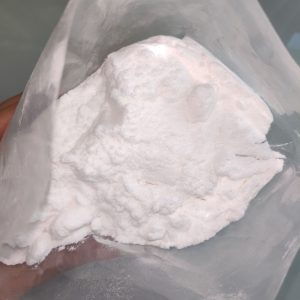
Mephedrone Powder (4-methylmethcathinone 4-MMC)
Price range: $150.00 through $2,500.00Mephedrone is a stimulant drug belonging to the chemical family of the cathinone’s group of drugs.
Cathinones are a group of drugs related to amphetamine compounds like speed and ecstasy.
Telegram ID : kokapartyshop
Email: [email protected]
-
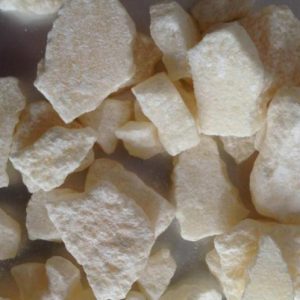
APVP Crystals α-Pyrrolidinovalerophenone
Price range: $150.00 through $2,500.00APVP crystals in Europe
chemical name: 1-phenyl-2-(1-pyrrolidinyl)-1-pentanone;
Other names: α-Pyrrolidinopentiophenone α-PVP, O-2387, alpha-PVP, a-pvp ;
Purity and form: white crystalline form, the maximum purity 99.9%;
Effect: stimulation and euphoria, speed;
CAS number: 14530-33-7;
Formula: C15H21NО;
Molar mass: 231,33 g/mol
Telegram ID : kokapartyshop
Email: [email protected]
-
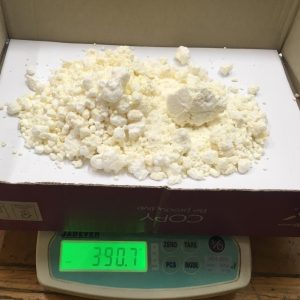
Amphetamine Powder (Speed)
Price range: $20.00 through $3,200.00Amphetamine for sale is a central nervous system stimulant that is used in the treatment of attention deficit hyperactivity disorder, narcolepsy, and obesity. Amphetamine was discovered as a chemical in 1887 by Lazăr Edeleanu, and then as a drug in the late 1920s.Telegram ID : kokapartyshop
Email: [email protected]
-
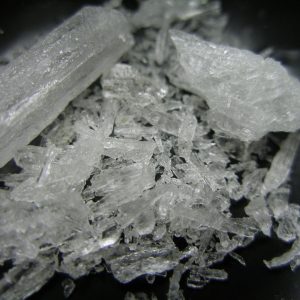
Crystal Methamphetamine (N-methylamphetamine)
Price range: $200.00 through $2,500.00
Cas Number 537-46-2
ATC code N06BA03
PubChem CID 1206
DrugBank DB01577
Synonyms N-methylamphetamine, desoxyephedrine
Formula C10H15N
Molecular mass 149.2337 g/mol
Melting point 3 °C (37 °F) [8]

Reviews
There are no reviews yet