
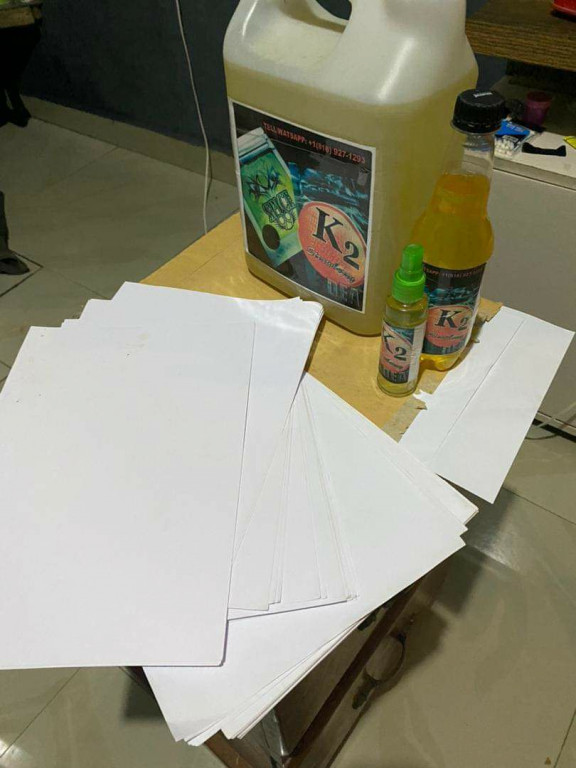



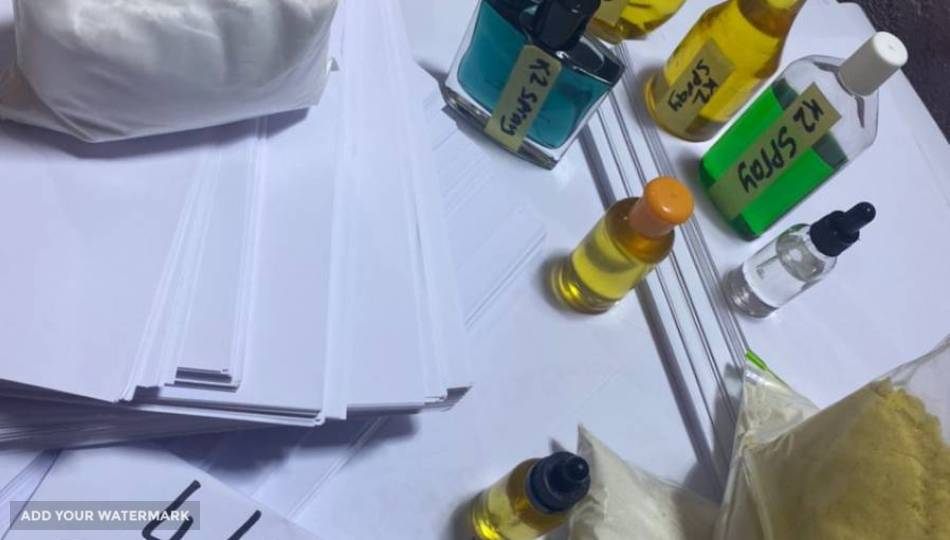


K2 Spice Paper
Original price was: $150.00.$100.00Current price is: $100.00.
What is K2 Spice Paper? Understand its origins, types, chemical properties, synthetic cannabinoid effects, health concerns, and social impact through this comprehensive educational guide.
Introduction to K2 Spice Paper
K2 Spice Paper is a term commonly used to describe paper products treated with synthetic cannabinoids. These substances are laboratory-created chemicals designed to interact with cannabinoid receptors in the human body. Unlike naturally occurring cannabis, synthetic cannabinoids are manufactured chemical compounds, and their effects can be considerably less predictable.
Over the years, synthetic cannabinoids have become a significant public-health concern in different parts of the world. Products marketed under names such as K2 and Spice have attracted attention because of their changing chemical compositions, inconsistent potency, and association with serious medical emergencies.
K2 Spice Paper has also become a subject of concern in correctional facilities, educational institutions, and communities affected by illicit drug distribution. Its association with discreet transportation and concealment has made it particularly challenging for authorities to identify and regulate.
This educational guide examines the origins, development, types, chemical characteristics, reported uses, and wider social consequences of K2 Spice Paper.
1. Origin and History of K2 Spice
Synthetic cannabinoids originated in scientific research investigating the body’s endocannabinoid system. Researchers developed various laboratory compounds to understand how cannabinoid receptors function and how they might contribute to medical research.
During the 1980s and 1990s, scientists investigated several synthetic cannabinoid compounds. One well-known example is JWH-018, which was developed during cannabinoid research conducted by John W. Huffman and colleagues.
These chemicals were originally investigated in laboratory settings rather than developed as ordinary consumer products.
In the early 2000s, products marketed as Spice began appearing in European markets. They were frequently presented as herbal smoking mixtures, although laboratory investigations revealed that their psychoactive effects came from synthetic chemicals rather than the plant material itself.
The products subsequently spread into other international markets.
As regulations began restricting individual synthetic cannabinoid compounds, manufacturers and illicit distributors increasingly introduced chemically modified substances. This created an ongoing regulatory challenge because new compounds could appear before legislation specifically addressed them.
The development of K2-associated paper products represents another stage in the changing presentation of synthetic cannabinoids.
2. What Is K2 Spice Paper?
K2 Spice Paper generally refers to paper carrying synthetic cannabinoid chemicals.
The paper itself is not necessarily psychoactive. Its potential effects depend on whether it has been contaminated or treated with synthetic cannabinoid substances.
Unlike conventional paper products, there is no recognized pharmaceutical or industrial standard defining K2 Spice Paper.
Important distinctions include:
- Ordinary paper: Manufactured for writing, printing, packaging, or other legitimate applications.
- Chemically contaminated paper: Paper containing an unintended chemical contaminant.
- Synthetic-cannabinoid-treated paper: Paper carrying substances intended to produce psychoactive effects.
- Suspected illicit drug-infused paper: Material requiring appropriate laboratory investigation to establish its composition.
Visual appearance cannot reliably establish whether paper contains synthetic cannabinoids.
3. Types and Classifications of K2-Related Products
Synthetic cannabinoid products have appeared in several different forms. Their classification is generally based on their presentation rather than a consistent chemical composition.
A. Herbal Synthetic Cannabinoid Mixtures
These products consist of plant material associated with synthetic cannabinoid chemicals.
They have historically been marketed under names such as Spice and K2.
Despite their herbal appearance, their psychoactive effects are associated with the synthetic chemicals rather than the plant material.
B. Liquid Synthetic Cannabinoid Preparations
Some synthetic cannabinoid products have been encountered in liquid form.
Their chemical composition can vary considerably, and the presence of an unidentified liquid does not establish its identity or concentration.
C. Synthetic-Cannabinoid-Associated Paper
This category includes paper suspected of containing synthetic cannabinoids.
Such materials have attracted attention from law-enforcement agencies and correctional institutions because ordinary-looking paper can conceal chemical contamination.
D. Emerging Synthetic Cannabinoid Compounds
The synthetic cannabinoid market has undergone considerable chemical changes.
New compounds may differ in molecular structure, receptor activity, potency, and toxicity.
This constant variation makes reliable identification particularly important.
4. Chemical Specifications and General Characteristics
One important characteristic of K2 Spice Paper is the absence of a standardized chemical specification.
Unlike regulated pharmaceutical products, illicit synthetic-cannabinoid-associated materials do not have consistent manufacturing requirements or guaranteed quality controls.
The following table describes relevant scientific characteristics.
| Characteristic | Educational information |
|---|---|
| Product classification | Synthetic-cannabinoid-associated material |
| Main chemical category | Laboratory-created cannabinoid receptor agonists |
| Commonly discussed historical compound | JWH-018 |
| Chemical composition | Variable and potentially unknown |
| Physical carrier | Paper material |
| Appearance | May resemble ordinary paper |
| Potency | Unpredictable |
| Purity | Not guaranteed |
| Manufacturing controls | No reliable standardized controls |
| Quality assurance | Requires appropriate laboratory investigation |
| Consumer safety | No established safe-use standard |
Understanding Synthetic Cannabinoids
Synthetic cannabinoids are a broad chemical category rather than one individual substance.
Many interact with cannabinoid receptors, particularly CB1 receptors, which are involved in several physiological processes.
However, their receptor activity differs between compounds.
Some synthetic cannabinoids can produce stronger receptor activation than THC, the principal intoxicating cannabinoid found in cannabis.
This difference helps explain why synthetic cannabinoid exposure can result in more severe and unpredictable reactions.
Why Chemical Testing Matters
Identifying synthetic cannabinoids is not always straightforward.
A paper sample may contain multiple compounds, degradation products, contaminants, or substances that are not included in routine screening panels.
Specialized laboratory techniques, including liquid chromatography coupled with mass spectrometry, can help identify chemical constituents.
Testing is particularly important because visual inspection and ordinary drug-screening methods cannot reliably establish the composition of an unknown sample.
5. Reported Uses and Associated Risks
K2 Spice Paper has no established therapeutic or legitimate consumer use.
Its association with synthetic cannabinoids is primarily relevant to public-health investigations, illicit drug markets, forensic science, and correctional security.
Public-Health Research
Researchers investigate synthetic cannabinoid exposure to understand:
- Patterns of substance use.
- Acute poisoning incidents.
- Changes in emerging synthetic compounds.
- Emergency department presentations.
- Long-term public-health consequences.
- Prevention and treatment strategies.
Forensic Investigations
Forensic laboratories may examine suspected contaminated paper to identify unknown chemical substances.
Such investigations can help establish whether materials contain controlled or potentially dangerous synthetic cannabinoids.
Correctional Facility Security
Correctional institutions have reported concerns involving synthetic cannabinoids and paper-based materials.
The difficulty of visually identifying chemical contamination creates additional challenges for prison security personnel.
Educational and Prevention Programs
Public-health organizations use information about synthetic cannabinoids to educate students, families, correctional workers, and healthcare professionals about potential exposure.
6. Effects of Synthetic Cannabinoids on Human Health
The effects associated with synthetic cannabinoids vary according to the compound, exposure, individual characteristics, and possible presence of additional chemicals.
Unlike regulated medicines, illicit products do not provide reliable information about their composition.
Short-Term Effects
Reported adverse reactions include:
- Anxiety and intense fear.
- Confusion and disorientation.
- Agitation and unusual behaviour.
- Rapid heart rate.
- Increased blood pressure.
- Nausea and vomiting.
- Dizziness and impaired coordination.
- Hallucinations and paranoia.
- Seizures.
- Loss of consciousness.
Severe cases can involve cardiovascular complications, kidney injury, breathing difficulties, and other life-threatening conditions.
Neurological Effects
Synthetic cannabinoids interact with cannabinoid receptors involved in brain function.
Exposure may affect attention, memory, perception, coordination, and emotional regulation.
Severe intoxication can involve seizures, extreme agitation, and altered consciousness.
Mental Health Consequences
Some individuals experience intense psychological reactions following synthetic cannabinoid exposure.
These can include panic, paranoia, hallucinations, and psychotic symptoms.
The possibility of unpredictable reactions is one reason these substances represent a significant concern for healthcare professionals.
Long-Term Health Concerns
The long-term consequences are difficult to establish because the substances involved continually change.
Potential concerns include:
- Repeated episodes of intoxication.
- Substance dependence.
- Persistent psychological difficulties.
- Cognitive and behavioural complications.
- Cardiovascular and neurological injury.
Further research is needed to understand the long-term effects of exposure to different synthetic cannabinoid compounds.
7. The Rising Concern Surrounding K2 Spice Paper
The growing attention surrounding K2 Spice Paper should be understood primarily as a public-health and law-enforcement concern.
Several factors contribute to this concern.
Changing Chemical Formulations
Synthetic cannabinoid compounds frequently change as illicit manufacturers respond to restrictions.
Consequently, healthcare professionals and forensic investigators may encounter substances that have not been extensively studied.
Difficulty of Identification
Paper contaminated with synthetic cannabinoids may not display obvious visual characteristics.
This creates difficulties for people who must identify potentially dangerous materials.
Public Awareness
Many people mistakenly assume synthetic cannabinoids are simply another form of cannabis.
However, synthetic cannabinoids can produce different and sometimes considerably more severe toxic effects.
Public education is therefore essential.
Correctional and Institutional Concerns
Correctional facilities face additional challenges associated with identifying unknown substances.
Staff training, laboratory support, and appropriate screening procedures are important components of institutional safety.
8. Sales Impact and Economic Consequences for Society
The illicit market surrounding synthetic cannabinoids creates economic and social consequences that extend beyond individual consumers.
Although some illegal distribution networks generate revenue, this activity does not represent a legitimate or sustainable economic benefit to society.
A. Public Healthcare Costs
Synthetic cannabinoid poisoning can require emergency medical treatment, hospital admission, specialist care, and continuing support.
These services place additional demands on healthcare systems.
Severe intoxication may require intensive monitoring and treatment, increasing the financial burden on hospitals and public healthcare providers.
B. Law-Enforcement Expenditure
Authorities must investigate illicit distribution, identify unfamiliar chemicals, and respond to emerging synthetic substances.
These activities require specialist personnel, forensic laboratories, analytical equipment, and institutional resources.
C. Correctional Facility Expenses
Suspected synthetic cannabinoid contamination creates additional security responsibilities in prisons.
Institutions may need to invest in staff training, screening procedures, laboratory testing, and improved handling protocols.
D. Effects on Families and Communities
Substance-related problems can affect family relationships, educational progress, employment, and community stability.
When individuals experience severe intoxication or dependence, their families may face emotional, financial, and social difficulties.
E. Impact on Education
Students exposed to synthetic cannabinoids may experience difficulties with concentration, attendance, memory, and academic performance.
Schools and universities may consequently require additional prevention and student-support resources.
F. Illegal Market Consequences
Illicit synthetic cannabinoid markets can support criminal distribution networks and create risks for vulnerable populations.
The absence of reliable quality controls also means consumers cannot depend on product labels or visual appearance to determine chemical composition.
Overall Social Impact
The economic benefits associated with illegal distribution are outweighed by the potential healthcare costs, criminal justice expenditure, community disruption, and individual harm.
A public-health approach focused on education, prevention, early intervention, and treatment can help reduce these consequences.
9. Prevention and Risk Reduction
Preventing synthetic cannabinoid exposure requires cooperation between educational institutions, healthcare providers, families, correctional facilities, and public authorities.
Important measures include:
- Public education about the differences between natural cannabis and synthetic cannabinoids.
- Improved awareness of the potential severity of synthetic cannabinoid poisoning.
- Appropriate laboratory testing of suspected contaminated materials.
- Training for correctional and institutional staff.
- Accessible substance-use treatment services.
- Early intervention for individuals experiencing problematic substance use.
- Cooperation between public-health organizations and law-enforcement agencies.
Anyone who suspects exposure to synthetic cannabinoids should seek professional medical advice. Severe symptoms, including seizures, difficulty breathing, chest pain, or loss of consciousness, require immediate emergency assistance.
10. Frequently Asked Questions About K2 Spice Paper
What is K2 Spice Paper?
K2 Spice Paper is a term used for paper suspected of containing synthetic cannabinoid chemicals. It is associated with illicit drug activity and public-health concerns.
Where did K2 Spice originate?
The name K2 became associated with synthetic cannabinoid products that emerged during the expansion of the Spice market in the early 2000s. The underlying chemicals originated in scientific research into cannabinoid receptors.
Is K2 Spice Paper the same as natural cannabis?
No. Natural cannabis contains plant-derived cannabinoids, including THC. Synthetic cannabinoids are laboratory-created compounds that may have substantially different effects and toxicity profiles.
What chemicals are associated with K2?
Historically discussed compounds include JWH-018 and other synthetic cannabinoid receptor agonists. The actual composition of an unknown sample cannot be established from its name or appearance.
Does K2 Spice Paper have standardized specifications?
No. Illicit synthetic-cannabinoid-associated paper does not have an internationally recognized manufacturing specification, purity standard, or guaranteed chemical composition.
What are the potential effects?
Reported effects include anxiety, confusion, agitation, rapid heartbeat, hallucinations, seizures, and loss of consciousness. Severe poisoning can be life-threatening.
Why is synthetic cannabinoid exposure dangerous?
The chemicals may have unpredictable potency and receptor activity. Unknown formulations, contaminants, and inconsistent concentrations increase the risk of serious poisoning.
Is K2 Spice Paper legal?
Legal status depends on the jurisdiction and the specific substances involved. Many synthetic cannabinoid compounds are controlled in numerous countries. Legislation may also cover chemically related substances or entire substance classes.
Why is K2 a concern in prisons?
Correctional facilities face challenges involving suspected chemically contaminated materials, difficulty identifying unknown substances, and the potential health consequences of exposure.
Can ordinary paper contain synthetic cannabinoids?
Ordinary paper does not inherently contain synthetic cannabinoids. However, paper can become contaminated through chemical exposure. Laboratory testing is needed to establish whether a suspected sample contains such substances.
Is there a medical use for K2 Spice Paper?
There is no established therapeutic use for illicit synthetic-cannabinoid-infused paper. Scientific research into individual cannabinoid compounds is different from using unregulated products.
What should someone do after suspected exposure?
Seek medical advice promptly. If serious symptoms occur, contact emergency services immediately. Healthcare professionals should be informed that synthetic cannabinoid exposure is suspected.
Conclusion
K2 Spice Paper represents an evolving issue at the intersection of synthetic drug markets, public health, forensic science, and institutional security.
Its history is connected to scientific research into cannabinoid receptors and the subsequent appearance of synthetic cannabinoid products in illicit markets.
Unlike standardized pharmaceutical products, suspected K2-infused paper has no guaranteed composition, purity, or safety specifications. Its chemical contents may vary, and exposure can produce unpredictable and potentially life-threatening consequences.
The wider impact on society includes healthcare expenditure, law-enforcement costs, correctional security challenges, family disruption, and educational difficulties.
Greater public awareness, reliable laboratory identification, prevention programs, and accessible treatment services remain important tools for addressing the challenges associated with synthetic cannabinoids.
Add a review
 K2 Spice Paper
Your review
* Review is required
Name
* Name is required
Email
* Email is required
Add photos or video to your review
Related Products
-
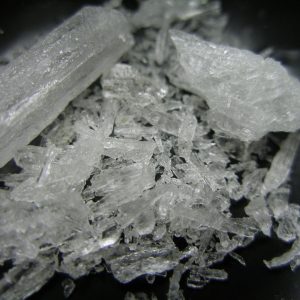
Crystal Methamphetamine (N-methylamphetamine)
Price range: $200.00 through $2,500.00
Cas Number 537-46-2
ATC code N06BA03
PubChem CID 1206
DrugBank DB01577
Synonyms N-methylamphetamine, desoxyephedrine
Formula C10H15N
Molecular mass 149.2337 g/mol
Melting point 3 °C (37 °F) [8] -
Amphetamine Powder (Speed)
Price range: $20.00 through $3,200.00Amphetamine for sale is a central nervous system stimulant that is used in the treatment of attention deficit hyperactivity disorder, narcolepsy, and obesity. Amphetamine was discovered as a chemical in 1887 by Lazăr Edeleanu, and then as a drug in the late 1920s.Telegram ID : kokapartyshop
Email: [email protected]
-
JWH-018 synthetic cannabinoid
Original price was: $60.00.$45.00Current price is: $45.00.JWH-018 synthetic cannabinoid
JWH-018, also known as AM-678, is a laboratory-developed synthetic cannabinoid belonging to the naphthoylindole chemical family. Initially investigated for its interaction with CB1 and CB2 cannabinoid receptors, it later became associated with Spice and K2 products. Explore its chemical specifications, origin, pharmacological properties, reported effects, health risks, and legal status. This educational overview highlights its scientific significance and potential dangers to public health.
-
MDPV (Methylenedioxypyrovalerone)
Price range: $150.00 through $1,800.00Methylenedioxypyrovalerone (MDPV) is a stimulant of the cathinone class that acts as a norepinephrine–dopamine reuptake inhibitor (NDRI). It was first developed in the 1960s by a team at Boehringer Ingelheim.
Its activity at the dopamine transporter is six times stronger than at the norepinephrine transporter and it is virtually inactive at the serotonin transporter.
Discreetly buy mdpv from us now. Best price guarantee MDPV (Methylenedioxypyrovalerone) buy at low price.
We have the best quality MDPV for sale on our online store
we as well offer discreet delivery and payment is secure with 100% privacy guaranteed at all times.
Telegram ID : kokapartyshop
Email: [email protected]

Reviews
There are no reviews yet