
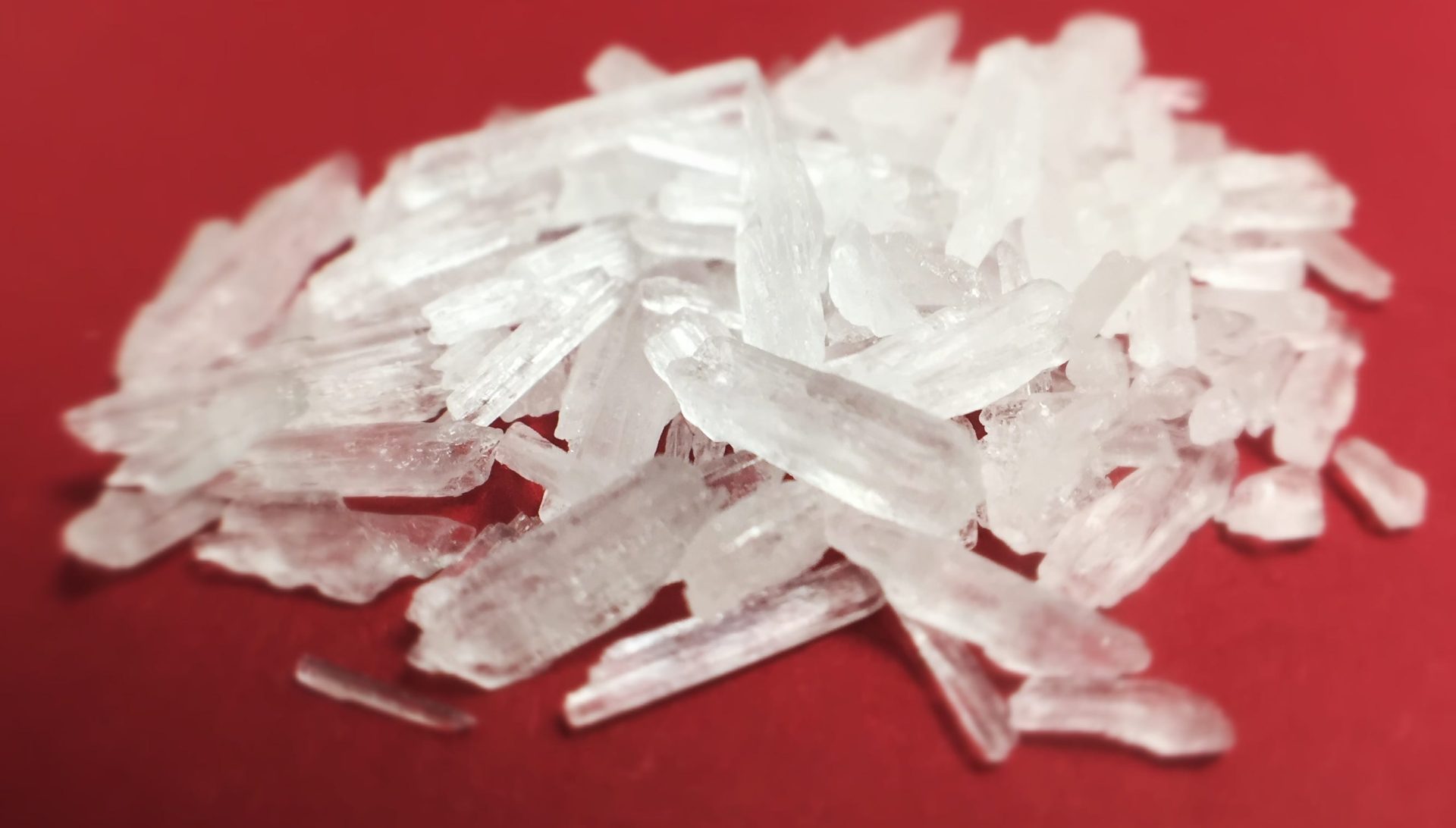
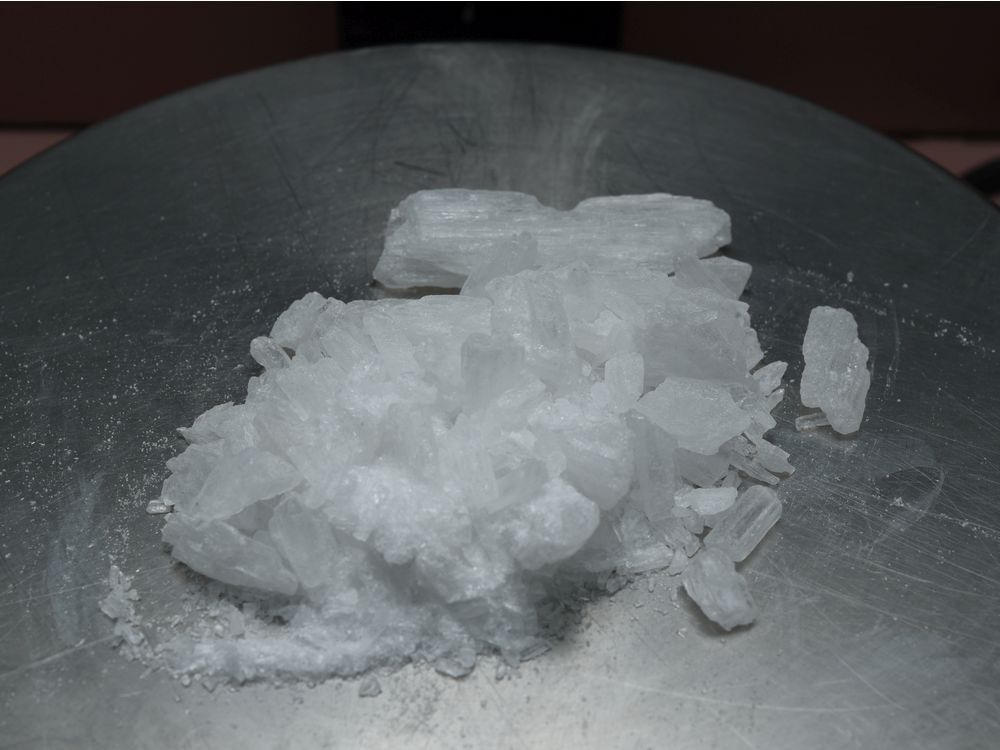
Crystal Methamphetamine (N-methylamphetamine)
Price range: $200.00 through $2,500.00

Cas Number 537-46-2
ATC code N06BA03
PubChem CID 1206
DrugBank DB01577
Synonyms N-methylamphetamine, desoxyephedrine
Formula C10H15N
Molecular mass 149.2337 g/mol
Melting point 3 °C (37 °F) [8]
1. Introduction to Crystal Methamphetamine
Crystal methamphetamine is a powerful synthetic stimulant that affects the central nervous system (CNS). It is commonly discussed in medical research, addiction studies, pharmacology and international drug-policy reports because of its high potential for dependence and its association with serious physical, neurological and psychological health complications.
The substance is commonly referred to as crystal meth, meth, ice or methamphetamine. Unlike naturally occurring stimulants, methamphetamine is produced through chemical synthesis. Its effects are associated with changes in neurotransmitter activity, particularly dopamine and norepinephrine, which help regulate motivation, attention, mood, movement and the body’s stress response.
Although the substance may temporarily produce feelings of increased energy, alertness and euphoria, these experiences should not be confused with genuine health benefits. In fact, repeated or uncontrolled exposure can have serious consequences for cardiovascular health, brain function, emotional stability and everyday life.
Furthermore, crystal methamphetamine has become an important topic in international public-health discussions. Its production, trafficking and associated health problems affect communities across North America, Asia, Europe, Oceania and other regions.
This educational guide examines its origin, history, types, general chemical specifications, perceived benefits, short-term effects, long-term consequences and worldwide social impact.
2. What Is Crystal Methamphetamine?
Methamphetamine is a synthetic psychoactive stimulant belonging to the amphetamine chemical family. It stimulates activity within the central nervous system by influencing neurotransmitter systems.
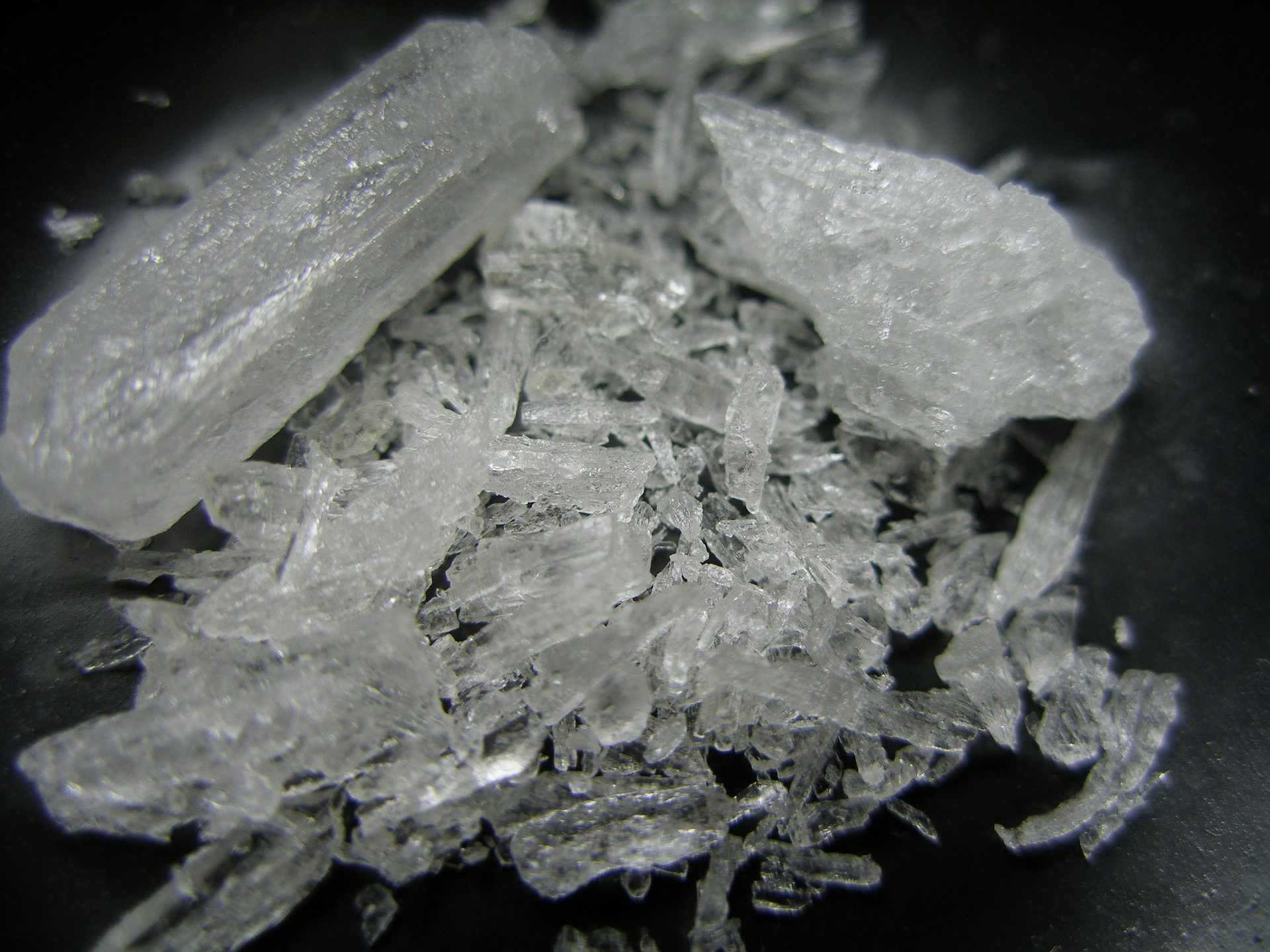
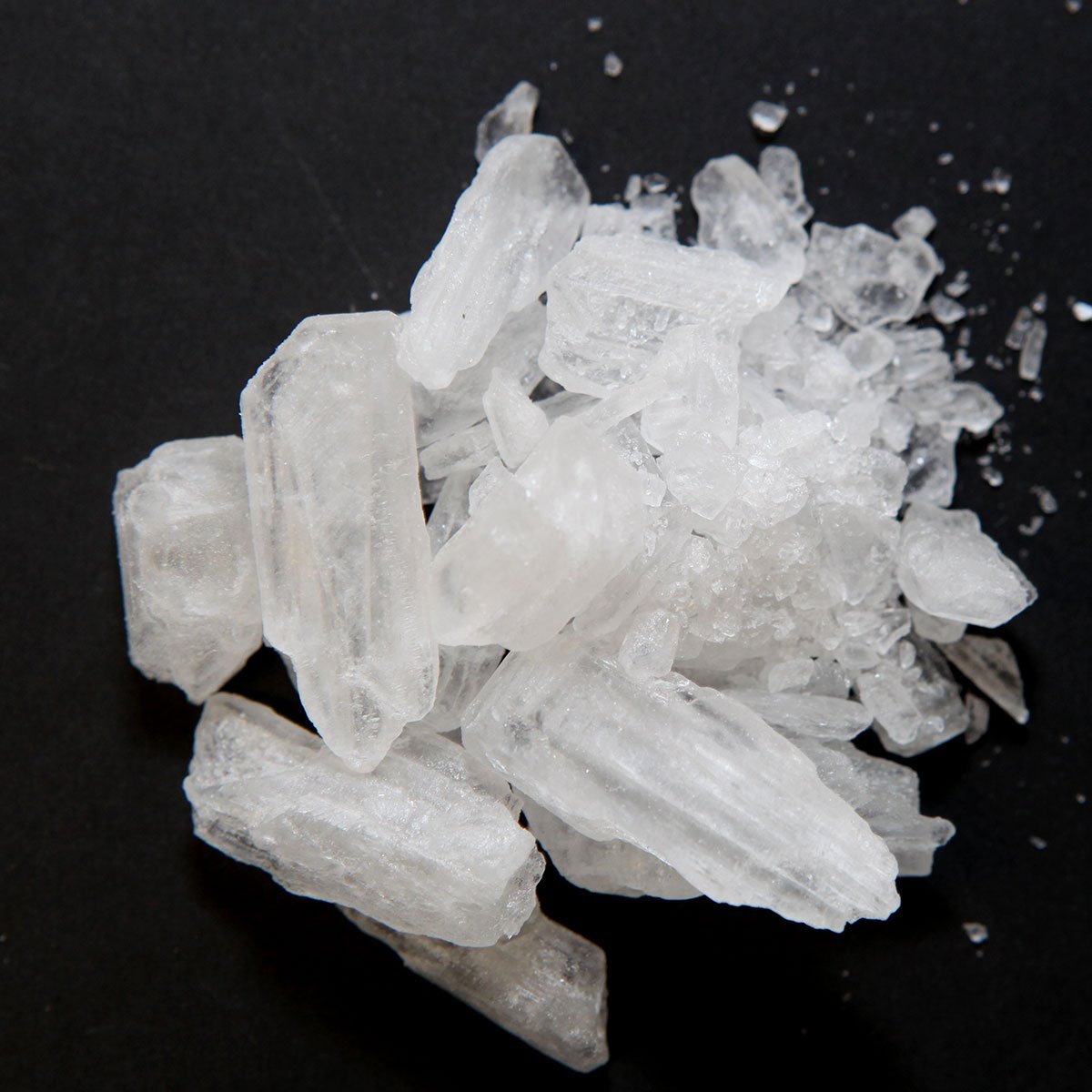
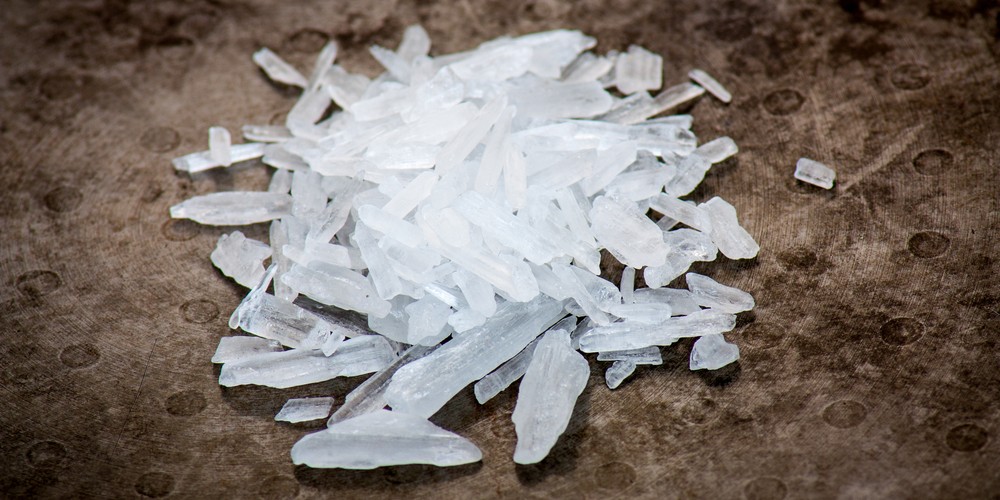
The term crystal methamphetamine generally refers to the crystalline hydrochloride salt form of methamphetamine. The term is associated with its crystalline appearance, although illicit products can differ substantially in their physical characteristics and chemical composition.
Methamphetamine affects the brain’s reward system. In particular, it increases dopamine activity, a neurotransmitter involved in motivation, reward, learning and movement. APVP Crystal
Consequently, people exposed to the substance may experience temporary changes in mood, wakefulness, appetite and behaviour. However, these effects can also contribute to repeated consumption and the development of substance use disorder.
It is important to distinguish pharmaceutical methamphetamine from illicit crystal meth. Pharmaceutical preparations are regulated medicines used only in limited medical circumstances in certain countries, whereas illicit crystal products have unknown composition, purity and contamination risks. Mdpv powder in UK
3. Origin and Historical Development of Methamphetamine
The history of methamphetamine is connected to the development of synthetic medicines during the late nineteenth and early twentieth centuries.
The compound was first synthesized in Japan in 1919. During subsequent decades, researchers investigated its stimulant properties and possible medical applications.
During the twentieth century, amphetamine-related substances were used in several medical and military settings. Their ability to increase wakefulness attracted attention during periods when prolonged alertness was considered important.
However, medical and public-health understanding gradually changed as evidence emerged concerning dependence, cardiovascular complications and psychological harm.
During the Second World War, stimulants were used by military personnel in several countries to combat fatigue. Subsequently, non-medical consumption increased in certain populations.
By the latter part of the twentieth century, governments and international organisations had strengthened regulatory controls as evidence of addiction and related health complications became clearer.
Today, methamphetamine is an internationally controlled substance. Although some tightly regulated pharmaceutical applications remain available, illicit production and non-medical consumption are major public-health and law-enforcement concerns.
4. General Chemical Specifications of Methamphetamine
From a scientific perspective, methamphetamine belongs to the phenethylamine and amphetamine-related chemical families.
Its chemical properties are studied in toxicology, forensic science, analytical chemistry and pharmacological research.
The following information describes the recognised chemical identity rather than the quality or composition of any illicit product.
General Chemical Information
| Specification | Scientific information |
|---|---|
| Common name | Methamphetamine |
| Chemical family | Amphetamine-related compounds |
| IUPAC name | N-methyl-1-phenylpropan-2-amine (stereochemistry specified) |
| Molecular formula | C10H15N |
| Molecular weight | Approximately 149.23 g/mol |
| CAS number | 537-46-2 |
| Pharmaceutical salt form | Methamphetamine hydrochloride |
| Hydrochloride formula | C10H16ClN |
| Hydrochloride molecular weight | Approximately 185.69 g/mol |
| Hydrochloride CAS number | 51-57-0 |
| General classification | Central nervous system stimulant |
Important distinction: The molecular formula and molecular weight of the free-base compound differ from those of the hydrochloride salt. These values identify chemical substances; they do not establish the purity, safety or composition of an unknown sample. Pure Bolivian Cocaine
5. Types and Scientific Classifications
Methamphetamine can be discussed through several scientific classifications. These classifications help researchers understand differences in molecular structure, pharmaceutical applications and toxicological characteristics.
A. Stereoisomers
Methamphetamine has two mirror-image molecular configurations, known as enantiomers.
These are scientifically distinguished by their three-dimensional structures. Differences in molecular configuration can influence interactions with biological systems and therefore affect pharmacological activity.
Understanding stereochemistry is important in pharmaceutical research and forensic analysis.
B. Methamphetamine Free Base
Methamphetamine free base represents the unprotonated molecular form of the compound.
It is chemically distinct from its hydrochloride salt. Researchers study this distinction because the physical and chemical properties of a compound can change when it forms a salt.
C. Methamphetamine Hydrochloride
Methamphetamine hydrochloride is the salt form associated with the crystalline material commonly described in discussions of crystal meth.
It has a different molecular formula and molecular weight from the free-base compound.
The hydrochloride form is also relevant to pharmaceutical chemistry, although regulated medical tablets and illicit crystalline substances are not interchangeable.
D. Pharmaceutical Methamphetamine
Pharmaceutical methamphetamine hydrochloride is a controlled prescription medicine in the United States.
Its medical use is restricted to particular circumstances and requires professional assessment and supervision. It carries serious warnings concerning abuse, misuse, addiction and cardiovascular complications.
Importantly, a regulated pharmaceutical preparation should never be considered equivalent to an unknown illicit product. Pure Colombian Cocaine
6. Perceived Benefits and Medical Context
The word benefits requires careful explanation when discussing crystal methamphetamine.
Some people report temporary sensations such as:
- Increased wakefulness.
- Heightened alertness.
- Temporary feelings of euphoria.
- Increased physical activity.
- Reduced appetite.
- Increased confidence or perceived motivation.
Nevertheless, these are subjective stimulant effects rather than established health benefits.
The increased dopamine activity associated with methamphetamine can create powerful reinforcement within the brain’s reward pathways. Consequently, an individual may develop cravings and feel compelled to repeat exposure despite experiencing harmful consequences. Peruvian Pink Cocaine
Does Methamphetamine Have Any Medical Applications?
Yes, but the distinction between pharmaceutical treatment and illicit drug consumption is essential.
In the United States, prescription methamphetamine hydrochloride tablets have a limited authorised medical application for ADHD in selected patients.
However, such treatment involves pharmaceutical manufacturing standards, medical assessment and strict supervision.
It does not mean that crystal methamphetamine has general therapeutic value or that non-medical consumption is safe.
Furthermore, there is no FDA-approved medication specifically for methamphetamine use disorder. Behavioural interventions and structured treatment remain important parts of recovery programmes. Pure Fish scale cocaine
7. Short-Term Effects of Crystal Methamphetamine
Methamphetamine can produce rapid changes in physical and psychological functioning.
The intensity and duration of effects vary considerably depending on individual health, exposure, other substances, and the unknown composition of illicit products.
Psychological Effects
Potential short-term psychological effects include:
- Euphoria and unusual excitement.
- Heightened alertness.
- Increased anxiety and nervousness.
- Irritability and agitation.
- Difficulty sleeping.
- Impaired judgement.
- Suspiciousness or paranoia.
- Confusion and disorientation.
- Hallucinations in severe cases.
Although some individuals may initially perceive increased concentration, stimulant exposure can also interfere with rational decision-making, memory and emotional regulation. Pure Crack Cocaine
Physical Effects
Physical reactions can include:
- Increased heart rate.
- Elevated blood pressure.
- Increased body temperature.
- Excessive sweating.
- Reduced appetite.
- Muscle tension.
- Tremors.
- Headaches.
- Irregular heartbeat.
Severe reactions may involve cardiovascular emergencies, seizures, dangerous overheating or loss of consciousness.
Therefore, stimulant-related symptoms should never be dismissed as ordinary tiredness or temporary excitement.
8. Long-Term Health Effects and Addiction Risks
Repeated exposure to methamphetamine may create persistent changes in brain function and physical health.
The likelihood and severity of complications vary between individuals, but several significant health concerns have been documented.
A. Neurological Complications
Long-term methamphetamine exposure is associated with changes in brain systems involved in memory, attention, decision-making and emotional regulation.
These changes may interfere with a person’s ability to manage daily responsibilities, relationships and professional activities. Pure Bio Cocaine
B. Cardiovascular Damage
Methamphetamine places substantial stress on the cardiovascular system.
Long-term exposure can increase the risk of:
- Chronic hypertension.
- Heart rhythm abnormalities.
- Cardiomyopathy.
- Heart attacks.
- Stroke.
- Other cardiovascular complications.
These conditions may become life-threatening, especially when combined with other medical problems.
C. Psychological and Psychiatric Effects
Persistent stimulant exposure may contribute to anxiety, depression, paranoia, hallucinations and stimulant-induced psychosis.
Some psychological symptoms can continue even after a person stops using the substance.
In addition, sleep disruption may worsen existing mental-health difficulties and interfere with recovery.
D. Dental and Oral Health Problems
Methamphetamine use is associated with serious dental complications.
These may include:
- Severe tooth decay.
- Gum disease.
- Dry mouth.
- Tooth loss.
- Oral infections.
- Poor dental hygiene.
Such complications can affect eating, speaking, confidence and general quality of life.
E. Social and Behavioural Consequences
Addiction may also interfere with employment, education, family relationships and financial stability.
Over time, people experiencing substance use disorder may become socially isolated, particularly when continued drug use takes priority over normal responsibilities.
9. Methamphetamine and the Global Public-Health Situation
Methamphetamine is a worldwide public-health concern.
The United Nations Office on Drugs and Crime (UNODC) has documented the geographical expansion of amphetamine-type stimulant markets, with methamphetamine playing a particularly important role.
According to the World Drug Report 2026, global seizures of amphetamine-type stimulants reached a record 604 tonnes in 2024, with methamphetamine accounting for the dominant share.
Furthermore, reported global methamphetamine seizures increased approximately threefold between 2014 and 2024.
These figures demonstrate the scale of the international supply problem. However, seizure statistics measure intercepted substances rather than the actual number of people consuming methamphetamine.
The worldwide effects vary depending on healthcare access, socioeconomic conditions, drug-policy approaches and regional trafficking patterns.
North America
North America remains one of the major regions affected by methamphetamine-related health problems.
In the United States, the Centers for Disease Control and Prevention reported that approximately 2.6 million people aged 12 and older used methamphetamine during 2023.
Health authorities have highlighted concerns about addiction, cardiovascular complications, psychiatric symptoms and stimulant-involved overdose deaths.
Mexico is also an important part of the North American methamphetamine supply and enforcement picture.
East and Southeast Asia
East and Southeast Asia remain major regions in the international methamphetamine market.
Several countries have reported significant treatment demand associated with methamphetamine and other amphetamine-type stimulants.
The regional situation presents challenges for healthcare systems, social services, prevention programmes and law enforcement.
Europe
Methamphetamine remains less widespread than some other stimulants in many European countries. Nevertheless, monitoring agencies have identified concerning developments in several regions.
The European Union Drugs Agency (EUDA) reported that approximately 12,000 people entered treatment for methamphetamine-related problems in Europe in 2023.
Czechia, Germany, Slovakia and Türkiye accounted for approximately 91% of the estimated treatment entrants.
Moreover, recent wastewater monitoring has identified methamphetamine in additional European countries, including Germany, Lithuania, Norway, Spain and the Netherlands.
These findings demonstrate why regular monitoring, prevention and accessible treatment are necessary.
Oceania
Australia and New Zealand have experienced substantial methamphetamine-related public-health challenges.
Concerns include dependence, psychiatric complications, cardiovascular problems and pressure on specialist treatment services.
Regional governments have invested in prevention campaigns, rehabilitation services and public-health research.
Africa and South Asia
Available reporting suggests that methamphetamine-related production and trafficking have expanded beyond some traditional markets.
However, important gaps remain in prevalence data, clinical reporting and treatment monitoring.
Consequently, public-health organisations face difficulties in measuring the full scale of the situation.
10. Social and Economic Impact Around the World
The consequences of methamphetamine extend beyond the individual.
Families and Relationships
Substance dependence can create serious emotional and financial difficulties within families.
Children may experience instability, reduced parental support and exposure to stressful home environments.
Additionally, family members may struggle with anxiety, financial pressure and uncertainty about the future.
Education and Young People
Young people are particularly vulnerable to the consequences of substance-related health problems.
Exposure to addictive stimulants can interfere with education, concentration, emotional development and social relationships.
Prevention education should therefore focus on accurate scientific information rather than exaggerated claims or stigma.
Employment and Economic Productivity
Substance use disorder can affect workplace attendance, productivity and personal financial stability.
Healthcare costs, treatment needs, unemployment and social support requirements may also place additional pressure on public institutions.
Crime and Public Safety
Illicit production and distribution are associated with organised criminal activity, illegal chemical markets and cross-border trafficking.
However, individuals experiencing addiction should not automatically be treated as criminals. Public-health approaches recognise that access to treatment and social support can be essential components of an effective response.
Environmental Concerns
Unregulated synthetic drug production may generate hazardous chemical waste.
Improper disposal of laboratory materials can contaminate soil and water, presenting risks to workers, emergency responders, wildlife and nearby communities.
Environmental investigation and appropriate hazardous-materials management are therefore important parts of the wider public-health response.
11. Treatment, Recovery and Prevention
Recovery from methamphetamine use disorder is possible.
Although treatment can be challenging, a combination of professional healthcare, behavioural support, mental-health services and social assistance can improve long-term outcomes.
Important approaches include:
Cognitive Behavioural Therapy (CBT): Helps individuals recognise behaviours, thoughts and situations associated with substance use.
Contingency Management: Uses structured positive reinforcement to encourage treatment participation and recovery-related goals.
Community Reinforcement: Helps individuals develop healthier social activities, relationships and routines.
Mental-Health Support: Addresses anxiety, depression, sleep problems and other psychological conditions.
Family Support: Encourages healthier communication and provides assistance to people affected by another person’s substance use.
Medical Monitoring: Helps identify and manage cardiovascular, neurological and other health complications.
There is currently no FDA-approved medication specifically indicated for treating methamphetamine use disorder. However, research into potential treatments continues.
Prevention is equally important. Accurate education, early intervention, access to healthcare and reduced stigma can help communities respond more effectively.
12. Recognising a Methamphetamine Emergency
Methamphetamine intoxication can sometimes become a medical emergency.
Warning signs include:
- Chest pain or severe breathing difficulties.
- Extremely high body temperature.
- Seizures.
- Severe confusion or agitation.
- Fainting or unconsciousness.
- Sudden weakness or stroke-like symptoms.
- Dangerous or irregular heartbeat.
Anyone experiencing these symptoms needs immediate emergency medical assistance. Call the local emergency number rather than waiting for symptoms to disappear.
Medical professionals should be informed about any known or suspected substance exposure so that appropriate treatment can be provided.
13. Frequently Asked Questions About Crystal Methamphetamine
1. What is crystal methamphetamine?
Crystal methamphetamine is a crystalline form of methamphetamine hydrochloride, a powerful synthetic central nervous system stimulant. It has a high potential for addiction and can cause serious physical and psychological complications.
2. Where did methamphetamine originate?
Methamphetamine was first synthesized in Japan in 1919. Its development was associated with early pharmaceutical chemistry and research into synthetic stimulants.
3. What is the chemical formula of methamphetamine?
The molecular formula of methamphetamine free base is C10H15N. Its molecular weight is approximately 149.23 g/mol.
The hydrochloride salt has a different formula, C10H16ClN, and a molecular weight of approximately 185.69 g/mol.
4. Is crystal methamphetamine the same as pharmaceutical methamphetamine?
No. Pharmaceutical methamphetamine is a regulated medicine manufactured and prescribed under strict medical controls in certain countries. Illicit crystal methamphetamine has unknown composition and cannot be considered a medically supervised preparation.
5. Does crystal methamphetamine have health benefits?
There are no established wellness or recreational health benefits associated with illicit crystal methamphetamine. Temporary stimulation and euphoria are psychoactive effects, not evidence of improved health.
6. Is methamphetamine addictive?
Yes. Methamphetamine has a high potential for dependence and addiction. Its effects on the brain’s reward system can contribute to compulsive patterns of use.
7. What are the major short-term effects?
Possible effects include increased alertness, elevated heart rate, high blood pressure, anxiety, insomnia, agitation and increased body temperature. Severe reactions can involve seizures and cardiovascular emergencies.
8. What are the long-term health consequences?
Long-term exposure may contribute to cardiovascular disease, cognitive difficulties, psychiatric symptoms, dental complications, sleep disturbances and substantial social difficulties.
9. Is methamphetamine present in Europe?
Yes. Although prevalence varies considerably between countries, European monitoring agencies report methamphetamine use, trafficking and treatment demand in several parts of the region.
10. What is the global impact of methamphetamine?
Its global impact includes substance use disorders, preventable health complications, treatment demand, family disruption, illegal trafficking, economic costs and environmental concerns.
11. Can someone recover from methamphetamine addiction?
Yes. Recovery is possible through appropriate treatment, behavioural interventions, medical support and sustained social assistance. Professional treatment should be tailored to the individual’s medical and psychological circumstances.
12. Why is methamphetamine a public-health concern?
Its high potential for addiction, significant cardiovascular and neurological risks, uncertain composition in illicit markets and broad social consequences make it an important international public-health issue.
14. Conclusion: Understanding Methamphetamine Through Education
Crystal methamphetamine is a powerful synthetic stimulant with a complex history and substantial public-health implications.
Its development began in early twentieth-century pharmaceutical chemistry. However, the subsequent expansion of non-medical use has created serious challenges involving addiction, healthcare demand, social stability and international drug policy.
Scientific understanding of its chemical properties helps distinguish the free-base compound from its hydrochloride salt and explains why pharmaceutical preparations must be separated from illicit products.
Nevertheless, chemical knowledge alone cannot communicate the full human impact of methamphetamine. Its effects on brain function, cardiovascular health, mental well-being, families and communities must also be considered.
Globally, government agencies, medical professionals, researchers and prevention organisations continue to monitor the changing situation.
Ultimately, accurate information, accessible treatment, early intervention and evidence-based public-health programmes remain essential to reducing the harm associated with methamphetamine.
Educational disclaimer: This article is intended exclusively for scientific, educational and public-health awareness. It is not a commercial product offer, medical recommendation or guide to manufacturing, obtaining or consuming methamphetamine.
| Quantity | 5 grams, 10 grams, 30 grams, 50 grams, 100 grams, 250 grams, 500 grams |
|---|
3 reviews for Crystal Methamphetamine (N-methylamphetamine)
100%
0%
0%
0%
0%
1-3 of 3 reviews
Add a review
 Crystal Methamphetamine (N-methylamphetamine)
Your review
* Review is required
Name
* Name is required
Email
* Email is required
Add photos or video to your review
Related Products
-
K2 Spice Paper
Original price was: $150.00.$100.00Current price is: $100.00.What is K2 Spice Paper? Understand its origins, types, chemical properties, synthetic cannabinoid effects, health concerns, and social impact through this comprehensive educational guide.
-
Amphetamine Powder (Speed)
Price range: $20.00 through $3,200.00Amphetamine for sale is a central nervous system stimulant that is used in the treatment of attention deficit hyperactivity disorder, narcolepsy, and obesity. Amphetamine was discovered as a chemical in 1887 by Lazăr Edeleanu, and then as a drug in the late 1920s.Telegram ID : kokapartyshop
Email: [email protected]
-
APVP Crystals α-Pyrrolidinovalerophenone
Price range: $150.00 through $2,500.00APVP crystals in Europe
chemical name: 1-phenyl-2-(1-pyrrolidinyl)-1-pentanone;
Other names: α-Pyrrolidinopentiophenone α-PVP, O-2387, alpha-PVP, a-pvp ;
Purity and form: white crystalline form, the maximum purity 99.9%;
Effect: stimulation and euphoria, speed;
CAS number: 14530-33-7;
Formula: C15H21NО;
Molar mass: 231,33 g/mol
Telegram ID : kokapartyshop
Email: [email protected]
-
MDAI (5,6-methylenedioxy-2-aminoindane)
Price range: $400.00 through $5,500.00MDAI (5,6-Methylenedioxy-2-aminoindane) is a synthetic research chemical that has been studied for its potential effects as a psychoactive substance. It is a member of the aminoindane class, which is chemically similar to MDMA (Ecstasy) but lacks the typical amphetamine structure.
Telegram ID : kokapartyshop
Email: [email protected]

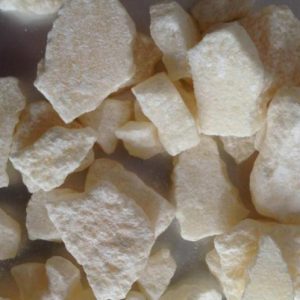
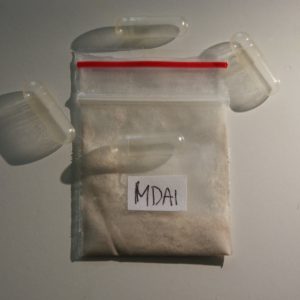
Wow I love the quality of your blue meth and also the communication with your team was professional so will definitely recommend you to my colleagues and friends .
Your blue meth is top shelf as compared to the previous ones I get from my local suppliers which is our very low in terms of purity. Thanks Cheeeeer
La méthamphétamine en cristal de la meilleure qualité que j’ai jamais testée auprès de vous, Kokapartyinc, je commanderai à nouveau et je recommanderai à mes collègues d’acheter chez vous, car vous êtes les meilleurs. Acclamations