
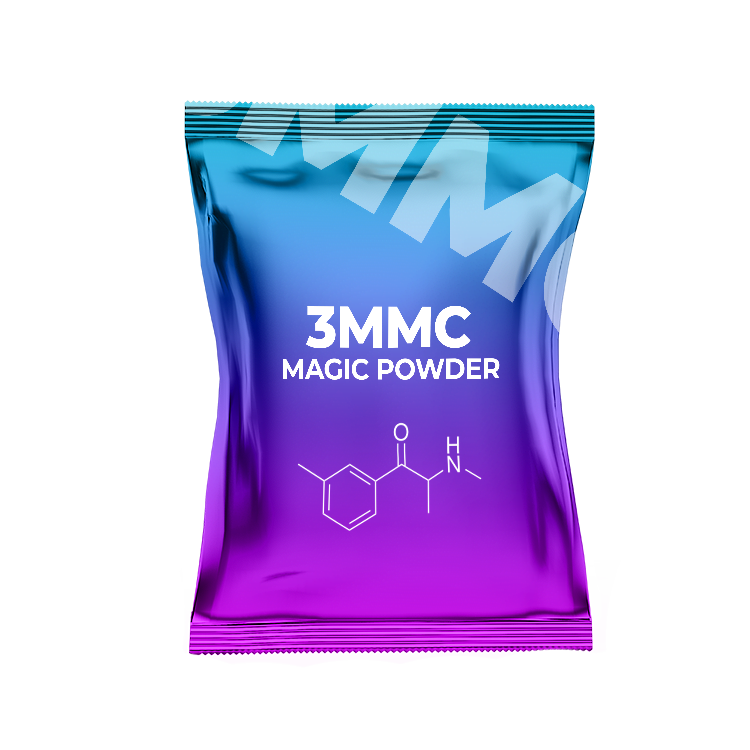
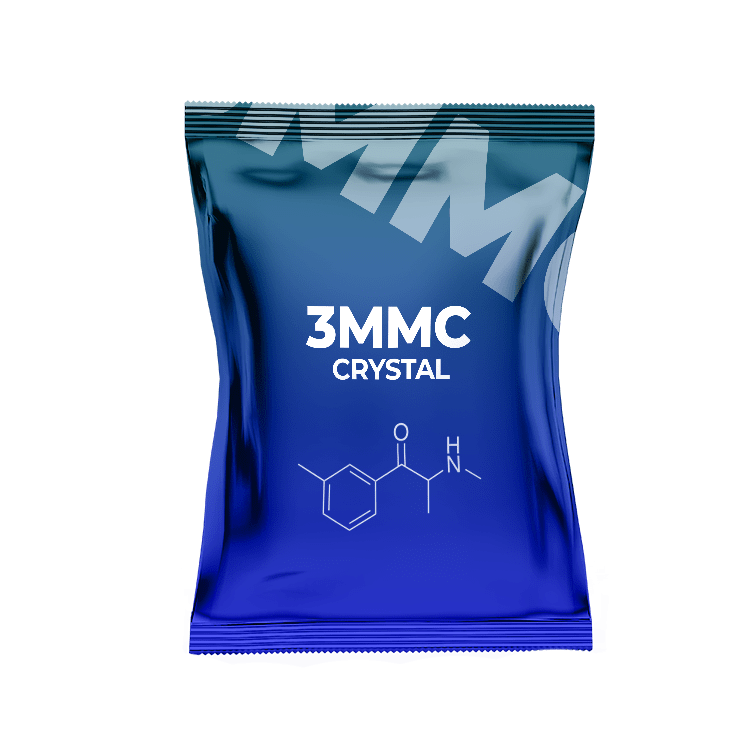
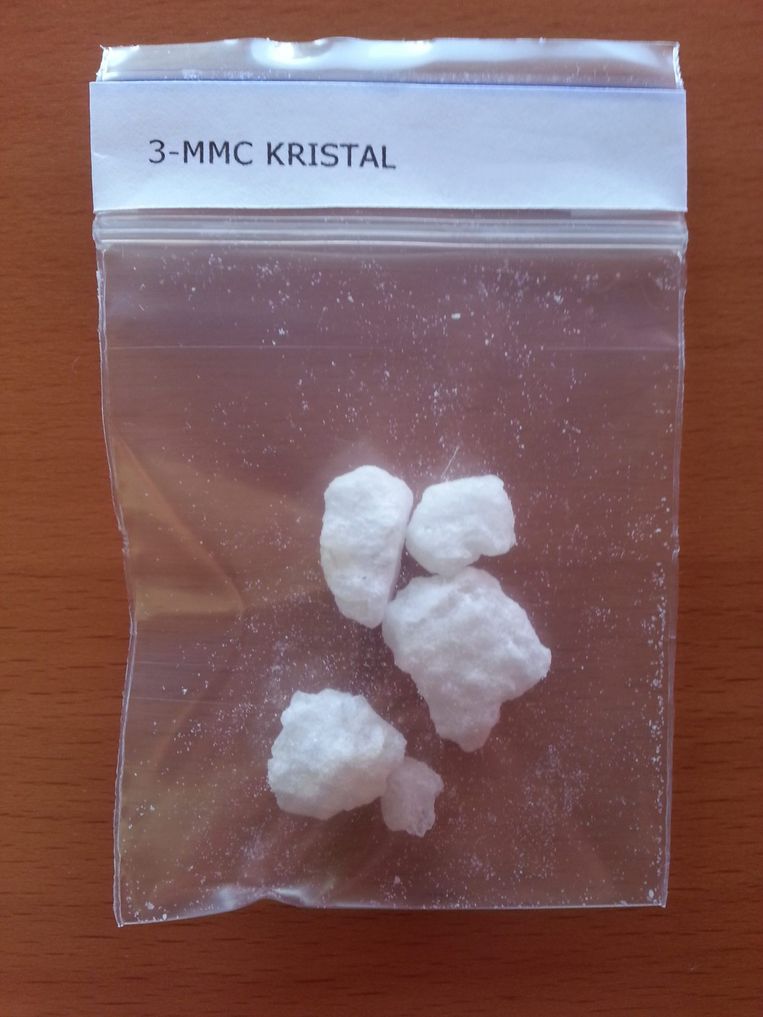
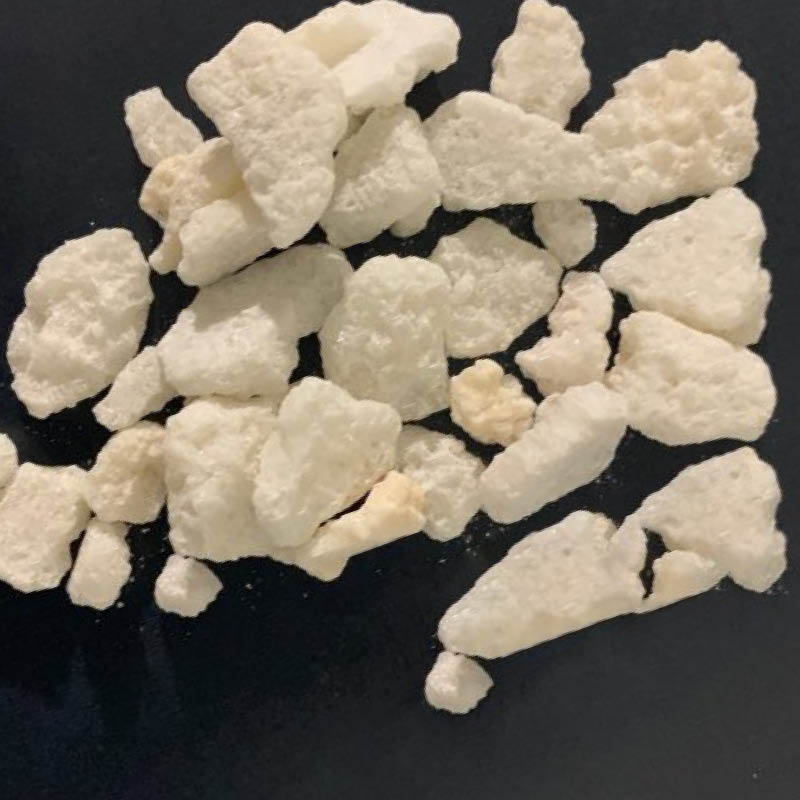
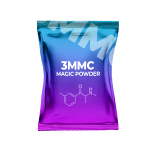
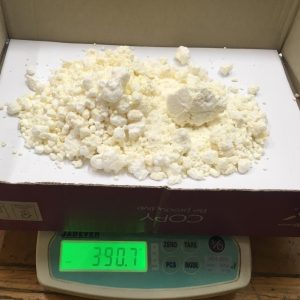
3MMC Magic Powder
Price range: $350.00 through $3,850.00
Telegram ID : kokapartyshop
Email: [email protected]
3-MMC Magic Powder, also known as 3-Methylmethcathinone, is a synthetic stimulant that belongs to the cathinone class, which is chemically related to substances like methcathinone and mephedrone (4-MMC). It is often marketed under names like “Magic Powder” in some contexts, particularly in the online or underground markets.
3MMC Magic Powder information:
Formal name: 3-Methylmethcathinone, also known as 3MMC and metaphedrone or 3-MMC Magic Powder
CAS Number: 1246816-62-5
Formula: C11H15NO
Purity: ≥98%
1. Introduction
3‑MMC (3‑Methoxy‑Methcathinone) or 3-MMC Magic Powder— often marketed under the name “Magic Powder” — has become a widely discussed substance in the European recreational‑drug scene. While it shares structural similarities with other synthetic cathinones (e.g., mephedrone, methylone), 3‑MMC possesses a unique pharmacological profile that yields distinct psychoactive effects, risk considerations, and legal status.
This educational product description is crafted for search‑engine optimisation (SEO), presenting a thorough, factual overview of 3‑MMC Magic Powder for readers seeking reliable information. The text incorporates high‑value keywords (e.g., “3‑MMC powder”, “3‑MMC effects”, “synthetic cathinone Europe”, “3‑MMC benefits”, “3‑MMC FAQ”) to improve discoverability while maintaining a clear, authoritative tone.
Disclaimer: The content below is strictly for informational and educational purposes. It does not encourage, endorse, or facilitate the purchase, possession, or use of 3‑MMC. Always consult local regulations and medical professionals before handling any psycho‑active substance.
2. Origin of 3-MMC Magic Powder
2.1 Chemical Background
- IUPAC name: 2‑(1‑Phenyl‑2‑(methylamino)ethan‑1‑yl)‑1‑methoxy‑ethan‑1‑one
- Molecular formula: C₁₂H₁₅NO₂
- Molecular weight: 205.25 g mol⁻¹
3‑MMC belongs to the cathinone class, a family of β‑keto phenethylamines originally derived from the natural alkaloid cathinone found in the Khat plant (Catha edulis). The synthetic route for 3‑MMC typically involves Mannich condensation followed by oxidation, producing a crystalline white‑powder that is often sold as “Magic Powder.”
2.2 Historical Development
- Early 2000s: The rise of designer drugs on the internet prompted chemists to modify known cathinones to evade existing drug schedules.
- 2010–2014: 3‑MMC first appeared on European darknet markets, initially described as a “research chemical.”
- 2015 onward: Reports of recreational use spread across the UK, Germany, the Netherlands, and Scandinavia, triggering regulatory scrutiny.
2.3 Market Evolution
| Year | Key Milestone | Impact |
|---|---|---|
| 2013 | First listings on major darknet forums | Introduced to a global audience |
| 2015 | Rapid price drop due to bulk production in Eastern Europe | Increased accessibility |
| 2018 | Several EU member states placed 3‑MMC under temporary bans | Heightened legal risk |
| 2021 | Emergence of “pure” vs. “cut” variants (see Types) | Diversified product offerings |
| 2024 | Ongoing enforcement actions & lab‑testing initiatives | Growing awareness among users and authorities |
3. Types & Purity Levels of 3-MMC Magic Powder
The “Magic Powder” label is generic; sellers often differentiate products by purity, form, and additive content. Understanding these variations is crucial for harm‑reduction education. 3-MMC Magic Powder
3.1 Pure 3‑MMC
- Definition: Powder containing ≥ 95 % 3‑MMC, verified by gas chromatography–mass spectrometry (GC‑MS).
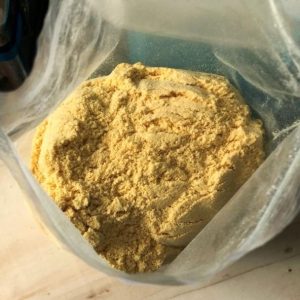
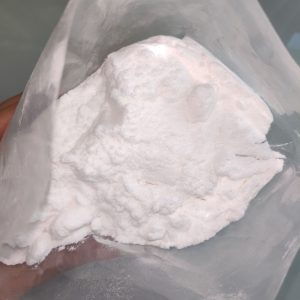
- Typical Appearance: Fine, white‑off‑white crystalline shards.
- Usage Pattern: Users seeking a “clean” experience may prefer pure powder, assuming fewer unknown adulterants.
3.2 Cut / Mixed Formulas
- Common Cutting Agents: Caffeine, levamisole, lidocaine, benzylpiperazine (BZP), or other synthetic cathinones.
- Purpose of Cutting: Lower cost, mimic or enhance certain effects, or mask the presence of 3‑MMC in preliminary tests.
- Risk Consideration: Additives can increase toxicity, provoke unpredictable pharmacodynamics, or trigger allergic reactions.
3.3 Form Variants
| Variant | Description | Typical Use Cases |
|---|---|---|
| Powdered Crystals | Primary form; easy to measure by milligram. | Most common for oral or insufflation (snorting). |
| Paste / “Liquid” | Dissolved in propylene glycol or ethanol; sold in small vials. | Used for sub‑lingual or vaping (though not recommended). |
| Granular “Microdose” | Pre‑measured 0.2–0.5 g sachets. | Appeals to novice users or those seeking “controlled” experiences. |
4. Specifications & Quality Metrics
When discussing any psychoactive compound, especially a research chemical, the following specifications are essential for proper risk assessment.
| Parameter | Standard Range (Pure 3‑MMC) | Testing Method | Relevance |
|---|---|---|---|
| Purity | 95–99 % | GC‑MS, HPLC | Determines the amount of active ingredient per dose. |
| Moisture Content | < 2 % | Karl Fischer titration | Higher moisture may affect stability and dosing accuracy. |
| pH (Water Solution, 1 % w/v) | 5.5–6.5 | pH meter | Influences absorption characteristics when dissolved. |
| Particle Size | 10–250 µm (average) | Laser diffraction | Affects snorting efficiency and nasal irritation. |
| Residual Solvents | < 0.5 % (per ICH guidelines) | Headspace GC | Presence of solvents like acetone may indicate poor synthesis. |
| Heavy Metals | < 10 ppm (Pb, As, Cd, Hg) | ICP‑MS | Long‑term exposure risk. |
Note: In the illicit market, these specifications are rarely verified. Purchasing from a reputable laboratory (e.g., a forensic‑testing service) is the only reliable way to obtain accurate data. 3-MMC Magic Powder
5. Pharmacology & Mechanism of Action
3‑MMC acts primarily as a monoamine transporter inhibitor and releaser, affecting dopamine (DA), norepinephrine (NE), and serotonin (5‑HT) systems.
- Dopamine Transporter (DAT) Inhibition: ↑ extracellular dopamine → euphoria, heightened motivation.
- Norepinephrine Transporter (NET) Inhibition: ↑ norepinephrine → increased heart rate, alertness.
- Serotonin Transporter (SERT) Inhibition (moderate): ↑ serotonin → mood elevation, empathy.
The methoxy group at the 3‑position reduces potency at SERT relative to mephedrone, leading to a more “stimulating” rather than “entactogenic” profile.
Pharmacokinetics (approximate):
| Phase | Timeframe | Key Details |
|---|---|---|
| Onset | 5–30 min (snorted) / 30–90 min (oral) | Rapid absorption via nasal mucosa; slower gastrointestinal uptake. |
| Peak | 1–2 h (snorted) / 2–3 h (oral) | Highest plasma concentrations. |
| Duration | 3–6 h (subjective) | Effects wane but residual stimulation may persist up to 12 h. |
| Metabolism | Primarily hepatic via CYP2D6, CYP1A2 | Produces demethoxylated and N‑dealkylated metabolites, excreted in urine. |
| Elimination Half‑Life | 5–7 h | Influenced by individual metabolic rate and liver function. |
6. Effects & Potential Benefits
6.1 Desired Effects (User‑Reported)
| Effect Category | Typical Description | Approx. Onset |
|---|---|---|
| Euphoria | Warm, “light‑up” feeling, mild bliss | 5–20 min (snort) |
| Increased Sociability | Talkativeness, reduced social anxiety | 10–30 min |
| Physical Stimulation | Elevated energy, enhanced motor coordination | 5–20 min |
| Cognitive Boost | Focus, heightened concentration, creativity | 15–45 min |
| Sensory Enhancement | Intensified tactile and visual perception | 20–40 min |
6.2 Potential “Benefits” (From a Harm‑Reduction Viewpoint)
| Claimed Benefit | Evidence Status | Safety Considerations |
|---|---|---|
| Improved mood in depressive episodes | Anecdotal, no clinical trials | Risk of mood destabilisation, dependence |
| Short‑term motivation for work/study | Limited case reports | Possible cardiovascular strain, sleep disruption |
| Appetite suppression | Observed with many cathinones | May lead to nutritional deficits if misused |
| Facilitates social interaction for introverts | Subjective accounts | Potential for impulsive decisions, risky sexual behavior |
Important: None of these “benefits” have been validated through controlled scientific studies. They are reported only by users and should not be taken as medical advice. 3-MMC Magic Powder
7. Adverse Effects & Risks
| System | Common Adverse Effects | Severe / Rare Complications |
|---|---|---|
| Cardiovascular | Tachycardia, hypertension, palpitations | Arrhythmia, myocardial infarction, stroke |
| Neurological | Headache, dizziness, insomnia, tremor | Seizures, neurotoxicity (potential long‑term dopamine depletion) |
| Psychiatric | Anxiety, paranoia, agitation, mild psychosis | Persistent psychotic episodes, severe depression after use |
| Gastrointestinal | Nausea, loss of appetite, dry mouth | Gastric ulceration (due to vasoconstriction) |
| Renal | Dehydration, electrolyte imbalance | Acute kidney injury (especially with high doses) |
| Dermal (snorting) | Nasal irritation, epistaxis, perforated septum (with chronic use) | Chronic rhinosinusitis |
7.1 Overdose Indicators
- Persistent heart rate > 130 bpm
- Systolic BP > 180 mmHg
- Very high agitation or hallucinations
- Hyperthermia (> 38.5 °C)
- Seizure activity
If any of these symptoms appear, seek emergency medical assistance immediately.
7.2 Interaction Profile
- Monoamine Oxidase Inhibitors (MAOIs): Risk of hypertensive crisis.
- Selective Serotonin Reuptake Inhibitors (SSRIs): Potential serotonin syndrome (rare but serious).
- Alcohol & Stimulants (e.g., caffeine, amphetamines): Additive cardiovascular strain.
8. Legal Status in Europe
The legal landscape for 3‑MMC varies across EU member states, with many opting for temporary or permanent bans under national psychoactive‑substance legislation. Below is a snapshot (as of November 2026).
| Country | Legal Classification | Effective Date | Enforcement Notes |
|---|---|---|---|
| United Kingdom | Class B (Misuse of Drugs Act) | 2019 (temporary ban, extended 2023) | Possession up to 2 g – custodial penalty up to 5 years. |
| Germany | Controlled Substance (BtMG) – Schedule I | 2020 | Commercial distribution illegal; personal possession may incur fine. |
| France | “Substance Psycho‑Active” (temporary) | 2021 | Penalised under “temporary market ban” (TMP). |
| Netherlands | Banned under Opium Law (List I) | 2022 | Border seizures common, but limited domestic prosecutions. |
| Spain | Not yet scheduled, but “New Psychoactive Substances” law applies | 2023 | Fines and possible detention for distribution. |
| Italy | Controlled (Law 49/2015) | 2015 | Penal sanctions for possession & trafficking. |
| Sweden | Classified as “Narcotic Substance” | 2020 | Strict enforcement, risk of imprisonment. |
| Poland | Banned under “Act on Counteracting Drug Addiction” | 2021 | Possession leads to criminal charge. |
| Belgium | Listed under “Psychoactive Substances” banned list | 2020 | Fines for possession, heavier penalties for dealers. |
| Norway (non‑EU) | Schedule I – prohibited | 2020 | Strong customs checks at borders. |
Key Takeaway: Even where 3‑MMC is not explicitly listed, many European nations enforce analogue or “new psychoactive substance” (NPS) legislation that can treat it as illegal if intended for human consumption.
9. FAQ – Frequently Asked Questions
9.1 What does “Magic Powder” actually refer to?
It is a street name for 3‑MMC, a synthetic cathinone sold as a white or off‑white powder. The term is not brand‑specific; vendors may use it to denote various purity levels.
9.2 How is 3‑MMC different from mephedrone?
Both are cathinones, but 3‑MMC has a methoxy group at the 3‑position, which reduces its serotonergic activity (less “empathogen” effect) and makes it more stimulant‑like than mephedrone.
9.3 Is 3‑MMC safe for recreational use?
No substance of this class can be deemed “safe.” Acute risks include cardiovascular strain, psychiatric disturbances, and overdose. Long‑term effects remain under‑studied, but neurotoxicity is a concern.
9.4 Can you test the purity of 3‑MMC at home?
Field testing kits (e.g., Marquis, Mecke) can indicate the presence of cathinones but cannot quantify purity or detect adulterants. Professional laboratory analysis (GC‑MS or HPLC) is required for accurate results.
9.5 How long does the high last?
Subjectively, 3‑6 hours for most users, with a “comedown” period that can extend another 6–12 hours, during which fatigue and mood swings may occur.
9.6 Does 3‑MMC produce tolerance?
Yes. Repeated use within a short timeframe (days) can lead to reduced effects, prompting higher doses—a pathway toward dependence.
9.7 Is there an antidote for 3‑MMC overdose?
No specific antidote exists. Treatment is supportive: benzodiazepines for agitation, cooling measures for hyperthermia, and cardiac monitoring for arrhythmias.
9.8 How does European law treat “research chemicals”?
Many EU nations have generic analogue acts that automatically classify any substance with a similar chemical structure to a controlled drug as illegal if intended for human use. This has been used to prosecute 3‑MMC distributors.
9.9 Can 3‑MMC be detected in standard drug tests?
Standard immunoassay screens typically do not target 3‑MMC. However, specialized GC‑MS or LC‑MS/MS panels can detect it, often used in forensic or workplace testing.
9.10 What harm‑reduction steps are recommended?
| Step | Description |
|---|---|
| Start Low, Go Slow | Begin with ≤ 50 mg (snorted) to gauge sensitivity. |
| Stay Hydrated (but not overly) | 500 ml water per hour; avoid excess electrolytes. |
| Avoid Mixing | No alcohol, MAOIs, or other stimulants. |
| Use a Test Kit | Confirm presence of cathinone before consumption. |
| Never Use Alone | Have a sober friend or contact ready. |
| Know the Law | Check local regulations before possession. |
10. Impact on European Public Health & Policy
10.1 Rising Use Trends
Data from the European Monitoring Centre for Drugs and Drug Addiction (EMCDDA) indicate a steady increase in reported 3‑MMC incidents between 2018‑2024, especially among young adults (18‑30) in urban nightlife settings.
- 2018: 120 reported cases across 12 countries.
- 2022: 560 reported cases; a 4.6‑fold rise.
- 2024: 820 cases; prevalence highest in the UK, Germany, and the Netherlands.
10.2 Healthcare Burden
- Emergency Department (ED) visits: Estimated 1,200 + ED admissions in 2023 linked to 3‑MMC–related complications (tachycardia, seizures, psychosis).
- Mental‑Health Services: A surge in acute psychotic episodes post‑use, prompting increased demand for psychiatric intake units.
10.3 Law‑Enforcement Response
- Operation “Crystal Sweep” (EU, 2021): Joint raids seized over 4 tons of bulk 3‑MMC precursor chemicals.
- Customs Interdictions: 2022–2024 saw a 30 % rise in border seizures, indicating expanded trafficking routes through Eastern Europe.
10.4 Research & Monitoring Initiatives
- UK’s National Poisons Information Service (NPIS): Established a dedicated 3‑MMC toxicity database.
- Germany’s Drogenmonitor: Publishes quarterly toxicology reports, including metabolite detection methods.
These efforts aim to inform policymakers, educate the public, and guide clinical response for emerging NPS threats like 3‑MMC.
11. Summary & Key Takeaways
- 3‑MMC Magic Powder is a synthetic cathinone with stimulant‑dominant effects, popular in European recreational markets.
- Purity varies widely; only laboratory testing can confirm composition.
- Pharmacologically, it primarily blocks dopamine and norepinephrine reuptake, with moderate serotonergic activity.
- Desired effects include euphoria, sociability, and increased energy, but serious risks (cardiovascular, psychiatric, overdose) are documented.
- Legal status: Most EU nations have placed 3‑MMC under controlled‑substance schedules or temporary bans, with penalties ranging from fines to multi‑year imprisonment.
- Public‑health impact shows growing use, rising emergency presentations, and active law‑enforcement countermeasures.
- Harm‑reduction remains the cornerstone of safe‑use education: low initial doses, avoidance of mixing, reliable testing, and awareness of legal ramifications.
| Quantity | 15grams, 25grams, 50grams, 100grams, 500grams, 1kg |
|---|
Add a review
 3MMC Magic Powder
Your review
* Review is required
Name
* Name is required
Email
* Email is required
Add photos or video to your review
Related Products
-
JWH-018 synthetic cannabinoid
Original price was: $60.00.$45.00Current price is: $45.00.JWH-018 synthetic cannabinoid
JWH-018, also known as AM-678, is a laboratory-developed synthetic cannabinoid belonging to the naphthoylindole chemical family. Initially investigated for its interaction with CB1 and CB2 cannabinoid receptors, it later became associated with Spice and K2 products. Explore its chemical specifications, origin, pharmacological properties, reported effects, health risks, and legal status. This educational overview highlights its scientific significance and potential dangers to public health.
-
Mephedrone Powder (4-methylmethcathinone 4-MMC)
Price range: $150.00 through $2,500.00Mephedrone is a stimulant drug belonging to the chemical family of the cathinone’s group of drugs.
Cathinones are a group of drugs related to amphetamine compounds like speed and ecstasy.
Telegram ID : kokapartyshop
Email: [email protected]
-
Fentanyl Powder
Original price was: $75.00.$60.00Current price is: $60.00.Fentanyl is also used as a sedative. Depending on the method of delivery, fentanyl can be very fast acting and ingesting a relatively small quantity can cause overdose. Fentanyl works by activating μ-opioid receptors. Fentanyl is sold under the brand names Actiq, Duragesic and Sublimaze, among others.
Fentanyl powder effects is a subject of growing international attention due to its pharmaceutical applications, chemical properties, and significant public-health implications. Fentanyl is a powerful synthetic opioid first developed in 1960 by Belgian chemist Paul Janssen. It is primarily recognized for its medical applications in severe pain management and surgical anesthesia under strict professional supervision.
From a chemical perspective, fentanyl belongs to the phenylpiperidine class of synthetic opioids. Its molecular formula is C22H28N2O, with a molecular weight of approximately 336.48 g/mol. Pharmaceutical fentanyl is manufactured under regulated quality standards, while illicitly manufactured fentanyl may contain unpredictable concentrations and potentially dangerous contaminants.
Understanding fentanyl powder involves examining its origins, pharmaceutical formulations, chemical specifications, effects on the human body, and associated health risks. Illicit exposure can cause severe respiratory depression, opioid dependence, and potentially fatal overdose.
This educational overview also explores fentanyl’s impact on healthcare systems, families, and communities, particularly in Canada, the United States, and Europe. Learn about fentanyl awareness, overdose prevention, naloxone, treatment options, and the importance of responsible pharmaceutical regulation.
Telegram ID: kokapartyshop
-
Amphetamine Powder (Speed)
Price range: $20.00 through $3,200.00Amphetamine for sale is a central nervous system stimulant that is used in the treatment of attention deficit hyperactivity disorder, narcolepsy, and obesity. Amphetamine was discovered as a chemical in 1887 by Lazăr Edeleanu, and then as a drug in the late 1920s.Telegram ID : kokapartyshop
Email: [email protected]
Reviews
There are no reviews yet