
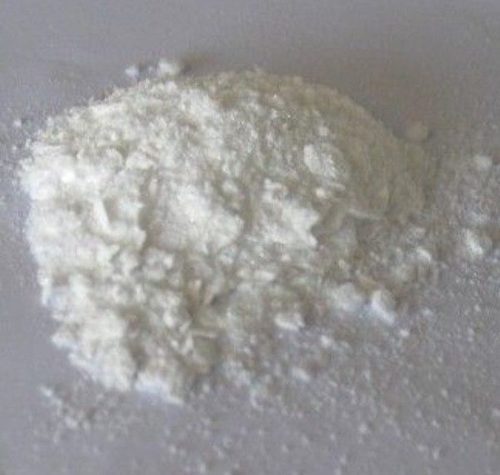
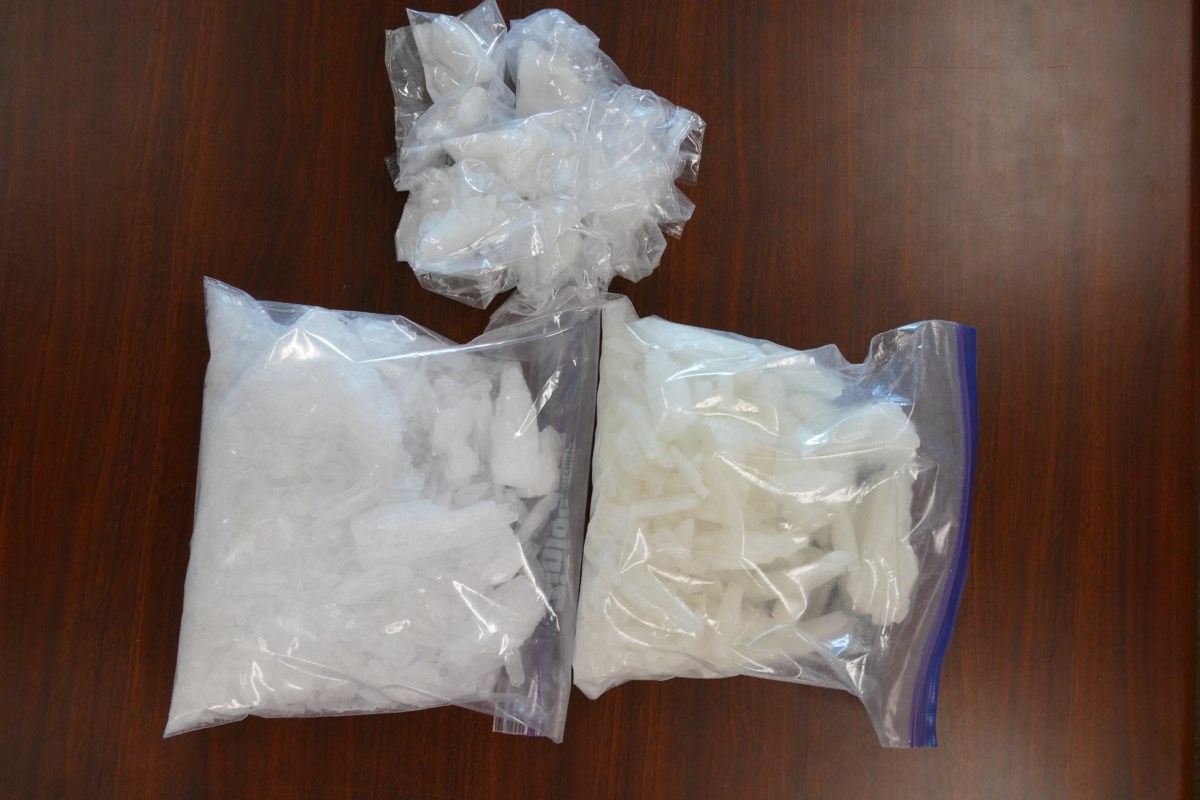


Fentanyl Powder
Original price was: $75.00.$60.00Current price is: $60.00.
Fentanyl is also used as a sedative. Depending on the method of delivery, fentanyl can be very fast acting and ingesting a relatively small quantity can cause overdose. Fentanyl works by activating μ-opioid receptors. Fentanyl is sold under the brand names Actiq, Duragesic and Sublimaze, among others.
Fentanyl powder effects is a subject of growing international attention due to its pharmaceutical applications, chemical properties, and significant public-health implications. Fentanyl is a powerful synthetic opioid first developed in 1960 by Belgian chemist Paul Janssen. It is primarily recognized for its medical applications in severe pain management and surgical anesthesia under strict professional supervision.
From a chemical perspective, fentanyl belongs to the phenylpiperidine class of synthetic opioids. Its molecular formula is C22H28N2O, with a molecular weight of approximately 336.48 g/mol. Pharmaceutical fentanyl is manufactured under regulated quality standards, while illicitly manufactured fentanyl may contain unpredictable concentrations and potentially dangerous contaminants.
Understanding fentanyl powder involves examining its origins, pharmaceutical formulations, chemical specifications, effects on the human body, and associated health risks. Illicit exposure can cause severe respiratory depression, opioid dependence, and potentially fatal overdose.
This educational overview also explores fentanyl’s impact on healthcare systems, families, and communities, particularly in Canada, the United States, and Europe. Learn about fentanyl awareness, overdose prevention, naloxone, treatment options, and the importance of responsible pharmaceutical regulation.
Telegram ID: kokapartyshop
Introduction to Fentanyl Powder
Fentanyl is a powerful synthetic opioid that has become an important subject in modern medicine, pharmaceutical research, and public-health discussions. Originally developed for medical purposes, fentanyl is widely recognized for its potent pain-relieving properties. However, Fentanyl powder effects presence in illicit drug markets has contributed to a serious international overdose crisis.
Fentanyl powder is a term commonly used to describe powdered forms of fentanyl encountered in pharmaceutical manufacturing, laboratory settings, and illicit drug markets. These products are not necessarily equivalent in purity, composition, or safety.
Understanding fentanyl requires examining its origins, chemical characteristics, medical applications, different forms, potential benefits, adverse effects, and wider consequences for communities.
This educational overview explores these subjects while emphasizing the importance of responsible pharmaceutical handling, overdose prevention, and public awareness.
1. Origin and History of Fentanyl
Fentanyl powder effects was first synthesized in 1960 by Belgian chemist Paul Janssen. His research focused on developing powerful synthetic opioid compounds capable of providing effective pain relief.
During the 1960s, fentanyl attracted medical attention because of its rapid onset and strong analgesic properties. It subsequently became an important medication in anesthesia and the treatment of severe pain.
Unlike naturally derived opioids such as morphine, fentanyl is entirely synthetic. It belongs to the phenylpiperidine family of opioid compounds.
Over subsequent decades, pharmaceutical researchers developed different formulations for specific medical applications, including injectable medications, transdermal patches, and other controlled-release preparations.
The development of illicit fentanyl
The appearance of illegally manufactured fentanyl introduced a different public-health challenge.
Illicitly manufactured fentanyl began appearing in various international drug markets, sometimes mixed with heroin, cocaine, counterfeit prescription tablets, and other substances.
Its high potency, low manufacturing cost relative to some other opioids, and difficulty of detecting contamination without appropriate testing have contributed to its expansion in illegal markets.
Today, fentanyl is a central subject in discussions about opioid dependence, organized crime, international drug trafficking, and overdose prevention.
2. Types and Forms of Fentanyl
Fentanyl powder effects exists in several pharmaceutical formulations. It is important to distinguish medically manufactured products from illicitly manufactured substances.
A. Pharmaceutical fentanyl
Pharmaceutical Fentanyl powder effects is manufactured under regulated conditions and prescribed or administered by qualified healthcare professionals.
Its formulations include:
- Injectable fentanyl: Used in controlled medical settings, particularly anesthesia and certain acute-pain situations.
- Transdermal fentanyl patches: Designed to provide continuous medication delivery for selected patients with severe chronic pain.
- Transmucosal formulations: Specialized prescription products developed for particular pain-management circumstances.
- Other pharmaceutical formulations: Products developed for controlled medical administration.
Each formulation has specific prescribing requirements and safety restrictions.
B. Illicitly manufactured fentanyl
Illicitly manufactured fentanyl refers to substances produced outside authorized pharmaceutical manufacturing systems.
These materials may contain unpredictable concentrations, manufacturing impurities, or other synthetic substances.
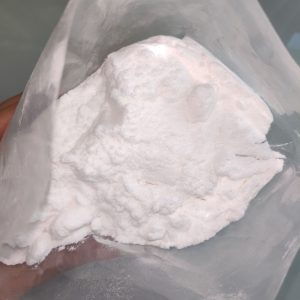
Their appearance may vary considerably. Visual characteristics cannot establish identity, purity, or safety.
C. Fentanyl analogues
Fentanyl analogues are chemically related compounds with modifications to the underlying molecular structure.
Examples include:
- Acetylfentanyl
- Butyrylfentanyl
- Furanylfentanyl
- Fluorofentanyl
- Carfentanil
Some analogues have been investigated scientifically, while others have appeared in illicit markets.
Their pharmacological properties and toxicological risks can differ substantially. Some are exceptionally potent and dangerous.
3. Chemical Specifications and General Characteristics
Fentanyl powder effects is a synthetic opioid belonging to the phenylpiperidine chemical class.
The following table provides general educational information about pharmaceutical fentanyl.
| Property | General information |
|---|---|
| Chemical name | N-phenyl-N-[1-(2-phenylethyl)piperidin-4-yl]propanamide |
| Molecular formula | C22H28N2O |
| Molecular weight | Approximately 336.48 g/mol |
| CAS number | 437-38-7 |
| Chemical class | Synthetic opioid |
| Drug classification | Opioid analgesic |
| Primary pharmacological target | Mu-opioid receptor |
| Appearance | Pharmaceutical material has defined specifications; illicit powder appearance varies |
| Medical application | Severe pain management and anesthesia |
| Administration | Depends on the approved pharmaceutical formulation |
Chemical structure
Fentanyl interacts primarily with mu-opioid receptors in the central nervous system.
These receptors influence pain perception, emotional responses, and several physiological processes.
Its interaction with opioid receptors helps explain its analgesic activity but also accounts for potentially dangerous effects on breathing and consciousness.
Pharmaceutical quality versus illicit substances
Regulated pharmaceutical fentanyl is manufactured according to established quality standards.
Illicit powders, however, cannot be assumed to have consistent chemical composition.
Without appropriate laboratory analysis, it is impossible to reliably establish the identity, concentration, purity, or contamination level of an unknown powder through appearance alone.
4. Medical Benefits and Approved Applications
Fentanyl has legitimate medical applications when prescribed and administered under appropriate professional supervision.
Its primary medical benefit is powerful pain relief.
Severe pain management
Fentanyl powder effects may be used in selected patients experiencing severe pain, particularly when other treatments are inadequate or when rapid, closely monitored analgesia is required.
Surgical anesthesia
Fentanyl is used in certain anesthetic procedures because it can provide substantial analgesia during surgery.
Anesthesiology professionals monitor patients carefully because opioid administration can affect breathing, blood pressure, and consciousness.
Cancer-related pain
Some pharmaceutical fentanyl formulations may be prescribed for carefully selected opioid-tolerant patients experiencing breakthrough cancer pain.
Treatment requires individual assessment and strict adherence to prescribing instructions.
Why medical supervision matters
Although fentanyl offers important medical benefits, its potency creates substantial risks.
Incorrect administration, medication interactions, accidental exposure, or inappropriate prescribing can result in life-threatening complications.
Its legitimate benefits should therefore be understood within the context of regulated medical care.
5. Effects of Fentanyl on the Human Body
Fentanyl powder effects affects the central nervous system through opioid receptor activity.
Its effects vary according to the formulation, exposure, individual physiology, tolerance, and interactions with other substances.
Common opioid effects
Potential effects include:
- Pain reduction
- Drowsiness
- Relaxation
- Nausea
- Vomiting
- Constipation
- Dizziness
- Confusion
- Reduced alertness
Respiratory depression
One of the most dangerous effects of fentanyl is respiratory depression.
This occurs when breathing becomes unusually slow, shallow, or stops altogether.
Severe respiratory depression can cause oxygen deprivation, permanent brain injury, cardiac complications, and death.
Effects on the nervous system
Fentanyl can influence consciousness, coordination, and cognitive functioning.
People experiencing significant opioid effects may have difficulty remaining awake, communicating clearly, or responding to their surroundings.
Long-term consequences
Repeated opioid exposure can contribute to:
- Physical dependence
- Opioid use disorder
- Withdrawal symptoms
- Reduced tolerance after periods without use
- Increased overdose vulnerability following a return to opioid use
The development of dependence is a significant medical concern and may require professional treatment.
6. Major Health Risks and Safety Concerns
Fentanyl is associated with several serious health risks.
Overdose
An opioid overdose can occur when respiratory suppression becomes severe.
Warning signs include:
- Extremely slow or absent breathing
- Unconsciousness
- Inability to wake the person
- Pinpoint pupils
- Limp body
- Blue, grey, or unusually pale lips and fingernails
An overdose is a medical emergency.
Drug interactions
Combining fentanyl with alcohol, benzodiazepines, sedatives, or other central nervous system depressants can increase the risk of dangerous respiratory depression.
Accidental exposure
Unknown illicit substances create additional risks because their composition and concentration may be unpredictable.
Routine visual inspection cannot establish whether a substance contains fentanyl.
Emergency response
Naloxone is a medication that can temporarily reverse opioid overdose.
If an overdose is suspected:
- Call emergency services immediately.
- Administer naloxone if available, following its instructions.
- Provide rescue breathing or CPR if trained and appropriate.
- Repeat naloxone according to product instructions if the person does not respond.
- Remain with the person until emergency professionals arrive.
In Canada, naloxone is available without a prescription in many communities through pharmacies and public-health programs.
7. Fentanyl and Its Impact on Society
The spread of illicit fentanyl has created major challenges for healthcare systems, families, communities, and governments.
Public-health consequences
Fentanyl contamination has contributed to a substantial proportion of opioid-related overdose deaths in several countries.
The unpredictable composition of illicit drug supplies makes prevention particularly challenging.
Public-health agencies continue to emphasize overdose education, access to naloxone, treatment services, and evidence-based harm reduction.
Impact on families
Substance-use disorders affect more than the individuals experiencing them.
Families may experience emotional distress, financial hardship, instability, and grief.
Children and other family members can also experience long-term consequences associated with parental substance-use problems.
Impact on healthcare systems
Emergency departments, ambulance services, addiction-treatment providers, and public-health agencies face considerable demands associated with opioid-related emergencies.
Resources are required for emergency treatment, rehabilitation, mental-health support, prevention campaigns, and long-term recovery services.
Economic consequences
The opioid crisis can affect productivity, employment, healthcare expenditure, and community development.
Overdose deaths also represent a significant loss of human potential and place emotional and economic pressure on surviving family members.
Organized crime and illegal distribution
Illicit fentanyl trafficking has created additional challenges for law-enforcement agencies.
Illegal manufacturing and distribution networks can expose communities to unpredictable substances and increase the availability of counterfeit medications.
International cooperation, effective regulation, and public-health education remain important elements of addressing this problem.
8. Fentanyl in Canada and the United States
Canada and the United States have experienced serious challenges associated with illicit fentanyl.
Canada
Canada’s opioid crisis has affected numerous communities, with particularly significant consequences in British Columbia, Alberta, and Ontario.
Public-health responses include:
- Community naloxone distribution
- Supervised consumption and overdose-prevention services
- Addiction-treatment programs
- Public education
- Drug-checking initiatives
- Access to opioid agonist treatment
United States
In the United States, illicitly manufactured fentanyl has become a major contributor to synthetic-opioid overdose deaths.
Federal and state agencies have implemented prevention initiatives, expanded naloxone access, strengthened treatment services, and targeted illegal manufacturing and trafficking networks.
Both countries recognize that effective responses require a combination of healthcare, prevention, education, and law enforcement.
9. Fentanyl Dependence and Treatment
Opioid use disorder is a treatable medical condition.
People experiencing dependence may benefit from professional assessment and evidence-based treatment.
Medication-assisted treatment
Common treatment options include:
- Buprenorphine
- Methadone
- Naltrexone, where clinically appropriate
Buprenorphine and methadone are established treatments that can reduce withdrawal symptoms, cravings, and the risk of opioid-related harm.
Counselling and recovery support
Psychological counselling, peer-support groups, and social services can complement medical treatment.
Recovery is not always straightforward. People may experience setbacks, and treatment plans should be adapted to individual needs.
Reducing stigma and improving access to healthcare are important for supporting long-term recovery.
10. Frequently Asked Questions About Fentanyl Powder
What is fentanyl powder?
Fentanyl powder refers to a powdered form of the synthetic opioid fentanyl. The term may describe pharmaceutical raw material or illicitly manufactured substances. Their quality and composition are not necessarily comparable.
Where did fentanyl originate?
Fentanyl was first synthesized in 1960 by Belgian chemist Paul Janssen. It was developed for medical applications involving pain management and anesthesia.
What is the chemical formula of fentanyl?
The molecular formula of fentanyl is C22H28N2O, and its molecular weight is approximately 336.48 g/mol.
What are the different types of fentanyl?
Fentanyl exists in several pharmaceutical formulations, including injectable medications, transdermal patches, and specialized transmucosal products. Related compounds include various fentanyl analogues.
Does fentanyl have medical benefits?
Yes. Pharmaceutical fentanyl has legitimate applications in severe pain management and anesthesia when administered under appropriate medical supervision.
Why is illicit fentanyl dangerous?
Illicit fentanyl can have unpredictable concentrations and may be mixed into other substances without the knowledge of the person exposed to it. Its respiratory-depressant effects can cause fatal overdoses.
Can fentanyl cause dependence?
Yes. Repeated exposure can result in physical dependence and opioid use disorder. Professional treatment can help manage dependence and support recovery.
Can naloxone reverse a fentanyl overdose?
Naloxone can reverse opioid overdose temporarily. Multiple doses may be needed in some circumstances. Emergency medical assistance is always necessary.
Is fentanyl legal?
Pharmaceutical fentanyl is legally available under strict medical and regulatory controls in many countries. Unauthorized manufacture, possession, distribution, or trafficking may constitute serious criminal offences, depending on local law.
How does fentanyl affect society?
Illicit fentanyl contributes to overdose deaths, healthcare pressures, family disruption, economic losses, and challenges for public-health and law-enforcement systems.
11. Conclusion
Fentanyl is an important synthetic opioid with a complex history and a significant role in modern medicine.
Its legitimate pharmaceutical applications demonstrate its value in treating selected cases of severe pain and supporting surgical anesthesia. At the same time, illicitly manufactured fentanyl has become a major public-health concern because of unpredictable composition, extreme potency, dependence, and overdose risks.
Understanding the distinction between pharmaceutical fentanyl and illicit substances is essential for informed public discussion.
Education, responsible medical prescribing, naloxone availability, addiction treatment, and community-based prevention programs are important components of reducing fentanyl-related harm.
A balanced understanding of Fentanyl powder effects must recognize both its medical applications and the serious consequences associated with its misuse and illegal distribution.
| Quantity | 5grams, 10grams, 50grams, 100grams, 500grams |
|---|
Add a review
 Fentanyl Powder
Your review
* Review is required
Name
* Name is required
Email
* Email is required
Add photos or video to your review
Related Products
-
MDPV (Methylenedioxypyrovalerone)
Price range: $150.00 through $1,800.00Methylenedioxypyrovalerone (MDPV) is a stimulant of the cathinone class that acts as a norepinephrine–dopamine reuptake inhibitor (NDRI). It was first developed in the 1960s by a team at Boehringer Ingelheim.
Its activity at the dopamine transporter is six times stronger than at the norepinephrine transporter and it is virtually inactive at the serotonin transporter.
Discreetly buy mdpv from us now. Best price guarantee MDPV (Methylenedioxypyrovalerone) buy at low price.
We have the best quality MDPV for sale on our online store
we as well offer discreet delivery and payment is secure with 100% privacy guaranteed at all times.
Telegram ID : kokapartyshop
Email: [email protected]
-
APVP Crystals α-Pyrrolidinovalerophenone
Price range: $150.00 through $2,500.00APVP crystals in Europe
chemical name: 1-phenyl-2-(1-pyrrolidinyl)-1-pentanone;
Other names: α-Pyrrolidinopentiophenone α-PVP, O-2387, alpha-PVP, a-pvp ;
Purity and form: white crystalline form, the maximum purity 99.9%;
Effect: stimulation and euphoria, speed;
CAS number: 14530-33-7;
Formula: C15H21NО;
Molar mass: 231,33 g/mol
Telegram ID : kokapartyshop
Email: [email protected]
-
Mephedrone Powder (4-methylmethcathinone 4-MMC)
Price range: $150.00 through $2,500.00Mephedrone is a stimulant drug belonging to the chemical family of the cathinone’s group of drugs.
Cathinones are a group of drugs related to amphetamine compounds like speed and ecstasy.
Telegram ID : kokapartyshop
Email: [email protected]
-
MDAI (5,6-methylenedioxy-2-aminoindane)
Price range: $400.00 through $5,500.00MDAI (5,6-Methylenedioxy-2-aminoindane) is a synthetic research chemical that has been studied for its potential effects as a psychoactive substance. It is a member of the aminoindane class, which is chemically similar to MDMA (Ecstasy) but lacks the typical amphetamine structure.
Telegram ID : kokapartyshop
Email: [email protected]
Reviews
There are no reviews yet