
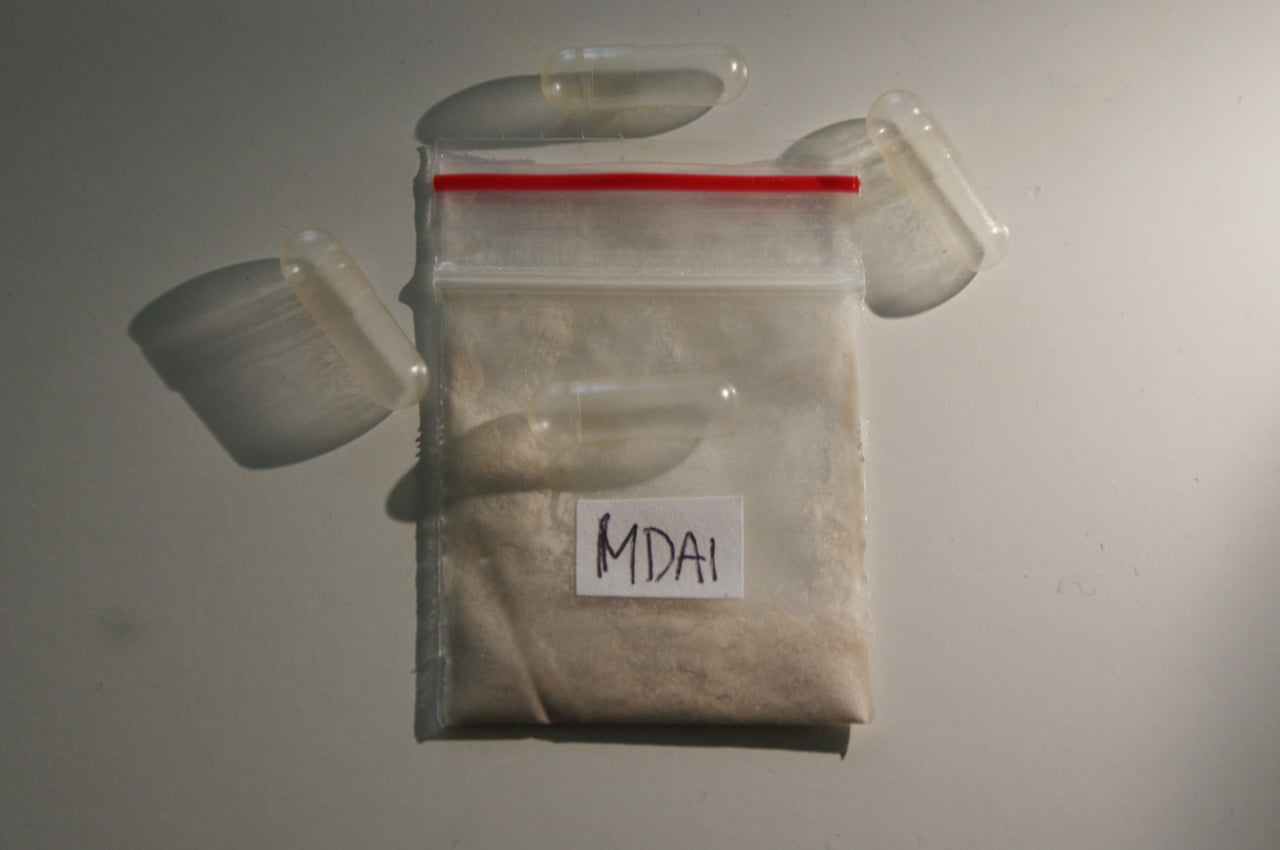
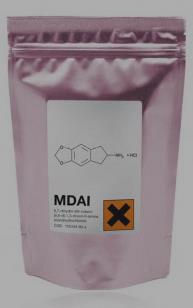
MDAI (5,6-methylenedioxy-2-aminoindane)
Price range: $400.00 through $5,500.00
MDAI (5,6-Methylenedioxy-2-aminoindane) is a synthetic research chemical that has been studied for its potential effects as a psychoactive substance. It is a member of the aminoindane class, which is chemically similar to MDMA (Ecstasy) but lacks the typical amphetamine structure.
Telegram ID : kokapartyshop
Email: [email protected]
Introduction to MDAI Powder
MDAI, scientifically known as 5,6-Methylenedioxy-2-aminoindane, is a synthetic psychoactive compound belonging to the aminoindane chemical family. It has attracted attention from researchers, toxicologists, drug-monitoring organizations and public-health authorities because of its structural relationship to certain well-known psychoactive substances and its effects on the brain’s neurotransmitter systems. MDAI Powder Benefits
MDAI is commonly discussed in scientific literature as a new psychoactive substance (NPS). It became more widely recognized in recreational drug markets during the late 2000s and early 2010s, when various synthetic substances were promoted as alternatives to established recreational drugs.
Unlike naturally occurring psychoactive compounds, MDAI is entirely synthetic. Its development originated in pharmaceutical and medicinal chemistry research, where scientists investigated modifications to existing chemical structures in the hope of understanding their pharmacological properties and potential therapeutic applications.
The compound is particularly interesting because research suggests that it influences serotonin, a neurotransmitter associated with mood, emotional processing, sleep, appetite and several other physiological functions.
MDAI is sometimes described as an entactogen or empathogen because reported subjective effects include emotional warmth, empathy and feelings of closeness. However, these descriptions should not be confused with proof of medical effectiveness or safety.
Scientific evidence concerning MDAI remains relatively limited compared with more extensively studied substances. Although a small human study was published in 2024, further research is necessary to establish its long-term effects, toxicity, dependence potential and possible therapeutic applications. MDAI powder Benefits
This educational guide examines MDAI powder from scientific, historical, chemical and societal perspectives.
1. What Is MDAI?
MDAI stands for 5,6-Methylenedioxy-2-aminoindane.
It belongs to the aminoindane family, a group of synthetic chemical compounds based on the aminoindane molecular structure.
MDAI is structurally related to 3,4-methylenedioxyamphetamine (MDA) and shares certain pharmacological characteristics with 3,4-methylenedioxymethamphetamine (MDMA).
However, MDAI and MDMA are not the same chemical substance.
Their molecular structures differ, and their effects on neurotransmitter systems are not identical.
One important area of scientific interest is the relationship between MDAI and serotonin transporters. Research indicates that MDAI can influence serotonin signalling, with additional activity involving norepinephrine and, to a lesser extent, dopamine.
These neurotransmitter systems play important roles in:
- Emotional regulation.
- Mood and psychological responses.
- Attention and concentration.
- Sleep and wakefulness.
- Stress responses.
- Cardiovascular regulation.
- Social and emotional processing.
Researchers have therefore investigated MDAI to better understand how structural changes within psychoactive compounds influence their biological activity.
It is important to emphazise that MDAI is not an approved antidepressant, prescription medicine or established treatment for psychological conditions. K2 Spice Paper
2. Origin and Historical Development of MDAI
Early chemical research
The scientific development of MDAI can be traced to medicinal chemistry research conducted during the late 1980s and early 1990s.
Researchers at Purdue University, including medicinal chemist David E. Nichols and colleagues, investigated alternative chemical structures related to methylenedioxy-substituted amphetamines.
A notable scientific publication appeared in 1990 in the Journal of Medicinal Chemistry.
The research examined non-neurotoxic tetralin and indan analogues of 3,4-methylenedioxyamphetamine.
This work helped establish the scientific background for subsequent research into aminoindane compounds.
The motivation was to explore whether modifications to established chemical structures could produce different pharmacological characteristics.
Importantly, promising laboratory findings did not establish that every resulting compound was safe for recreational consumption or suitable for medical treatment.
Emergence in recreational markets
Although MDAI had been investigated scientifically years earlier, recreational interest developed considerably later.
Reports suggest that its recreational appearance in Europe began around 2007, followed by increased visibility in the United Kingdom and other European countries.
The emergence of various new psychoactive substances created a changing marketplace in which chemically modified compounds were sometimes promoted as alternatives to established drugs.
MDAI was among the aminoindane compounds that received attention during this period.
Some vendors and online discussions presented it as a supposedly safer alternative to MDMA. Such descriptions were not supported by sufficient human clinical evidence.
As concerns about unpredictable reactions and poisoning increased, health organisations and toxicology researchers began paying closer attention to MDAI.
International monitoring
The World Health Organization added MDAI to its surveillance list in 2017.
Its Expert Committee on Drug Dependence subsequently considered the available information during a 2021 working-group meeting.
The WHO reported concerns regarding clandestine manufacture, misuse, amphetamine-like effects and fatal and non-fatal intoxications.
This international monitoring demonstrates why MDAI remains relevant to public-health research even though the available scientific evidence is comparatively small. JWH-018 Powder
3. Types and Chemical Classification of MDAI
Understanding the classification of MDAI is important because several related synthetic compounds are frequently discussed together.
MDAI belongs to the aminoindane family.
However, not every aminoindane compound is MDAI.
A. MDAI – 5,6-Methylenedioxy-2-aminoindane
MDAI is the principal compound examined in this article.
It contains a methylenedioxy-substituted aminoindane structure.
Its pharmacological activity has been associated particularly with serotonin-related neurotransmitter pathways.
Scientific publications have investigated its transporter activity, behavioural effects and potential toxicity.
B. MDMAI – N-Methyl-2-aminoindane derivative
MDMAI is a chemically related but distinct substance.
Its chemical structure differs from MDAI through the presence of an additional methyl group attached to the nitrogen atom.
It should not be treated as another name for MDAI.
The distinction is important for chemical identification, forensic analysis and toxicological investigations.
C. 5-IAI – 5-Iodo-2-aminoindane
5-IAI is another member of the broader aminoindane family.
It has an iodine substituent rather than the methylenedioxy substitution found in MDAI.
Its chemical and pharmacological characteristics are different, and findings involving 5-IAI cannot automatically be applied to MDAI.
D. 2-AI – 2-Aminoindane
2-Aminoindane is a basic member of the aminoindane chemical family.
It is structurally related to MDAI but does not contain the same methylenedioxy substitution.
Research into this compound helps scientists understand how changes in molecular structure influence interactions with neurotransmitter transporters.
E. MDAI freebase and hydrochloride
Chemical identity also involves distinguishing between a freebase compound and its salt form.
MDAI can be discussed in both freebase and hydrochloride forms.
These are different chemical forms of the same underlying active molecular structure rather than separate psychoactive drug families.
Their molecular weights and certain physical properties differ because the hydrochloride form includes hydrochloric acid as part of the salt structure. MDAI powder Benefits
A visual examination cannot reliably establish which chemical form a powder contains.
Laboratory identification is necessary to distinguish these forms accurately. Fentanyl Powder
4. MDAI Chemical Specifications and General Properties
Chemical specifications provide a scientific description of a compound’s identity rather than evidence of its suitability for human consumption.
The following information describes the MDAI freebase.
| Chemical property | General identification |
|---|---|
| Common name | MDAI |
| Full chemical name | 5,6-Methylenedioxy-2-aminoindane |
| Chemical family | Aminoindanes |
| IUPAC name | 6,7-Dihydro-5H-cyclopenta[f][1,3]benzodioxol-6-amine |
| Molecular formula | C10H11NO2 |
| Molecular weight | Approximately 177.20 g/mol |
| CAS number | 132741-81-2 |
| General classification | Synthetic psychoactive compound |
| Research category | New psychoactive substance |
| Principal pharmacological interest | Serotonin-related activity |
Molecular structure
MDAI contains an aminoindane framework incorporating a methylenedioxy-substituted aromatic ring.
Its molecular structure differs from conventional amphetamine structures because the carbon framework has a more constrained, ring-based arrangement.
This structural difference is one reason scientists have examined MDAI independently rather than assuming that its effects are identical to MDA or MDMA.
Neurotransmitter activity
Scientific investigations indicate that MDAI interacts with monoamine transporters.
These include:
Serotonin transporter (SERT): Involved in regulating serotonin signaling between nerve cells.
Norepinephrine transporter (NET): Responsible for regulating norepinephrine availability in the nervous system.
Dopamine transporter (DAT): Involved in controlling dopamine signaling.
Research suggests that MDAI has comparatively prominent serotonergic and noradrenergic activity, with weaker effects on dopamine transport. MDAI powder Benefits
The precise pharmacological consequences depend on biological conditions and the limitations of the experimental models.
Physical appearance and identification
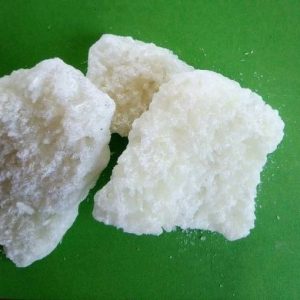
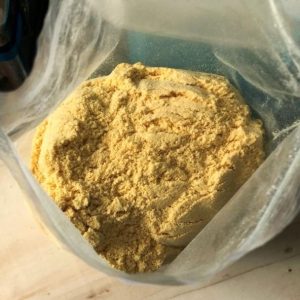
MDAI has been described in scientific and drug-monitoring publications as a powder or crystalline substance.
Descriptions of colour and physical appearance are not reliable methods of chemical identification.
Two samples that look similar can contain entirely different compounds.
Likewise, a material labelled as MDAI may contain impurities, unexpected chemicals or other psychoactive substances.
Forensic identification requires appropriate analytical techniques rather than visual inspection.
5. How Does MDAI Affect the Brain?
The brain communicates through chemical messengers known as neurotransmitters.
These substances allow nerve cells to exchange information and regulate different physiological and psychological processes.
MDAI is particularly associated with serotonergic activity.
Serotonin contributes to several important functions:
- Regulation of mood.
- Emotional processing.
- Sleep patterns.
- Appetite.
- Memory and learning.
- Social behavior.
- Regulation of gastrointestinal activity.
MDAI’s interaction with neurotransmitter transporters can alter the normal regulation of these signalling systems.
Serotonin and emotional processing
One reason MDAI has attracted research interest is its association with subjective experiences described as emotional warmth and empathy.
These experiences are generally discussed within the broader scientific category of entactogenic effects.
However, serotonin activity is complex.
Increasing serotonin signalling does not automatically improve mental health, produce lasting happiness or create a medically beneficial psychological state.
The relationship between serotonin, mood and behaviour involves many biological systems.
Norepinephrine and physiological responses
Norepinephrine contributes to alertness, stress responses and cardiovascular regulation.
Changes in norepinephrine signalling may contribute to physiological effects such as increased blood pressure.
This is relevant because human research involving MDAI has identified measurable cardiovascular responses.
Dopamine and reward pathways
Dopamine participates in motivation, reward processing, attention and learning.
Although MDAI appears to have weaker effects on dopamine transport than on serotonin and norepinephrine transport, dopamine remains relevant when examining its overall psychoactive properties.
More research is necessary to establish the full relationship between MDAI’s pharmacology and its potential for repeated use or dependence. Amphetamine Powder
6. Potential Benefits and Research Interest
The term benefits requires careful explanation when discussing an unapproved psychoactive research chemical.
MDAI does not have established therapeutic benefits for the general population.
It is not an approved treatment for depression, anxiety, post-traumatic stress disorder or other psychological conditions.
Nevertheless, researchers have investigated certain characteristics that may be relevant to future scientific study.
A. Research into emotional processing
MDAI’s reported entactogenic properties have generated interest in understanding how serotonin-related compounds influence emotional experiences.
Researchers are interested in the relationship between neurotransmitter activity, emotional regulation and social interaction.
Such research may contribute to a wider understanding of the neurobiology of human emotions.
B. Investigation of neurotransmitter systems
MDAI provides researchers with an opportunity to study the effects of a synthetic compound that interacts with serotonin, norepinephrine and dopamine transporters.
This can help scientists understand the relationship between chemical structure and pharmacological activity.
C. Historical interest in neurotoxicity
MDAI originally attracted attention partly because researchers investigated whether certain structural modifications might produce different neurotoxic properties compared with related amphetamine compounds.
Some experimental findings suggested potentially different neurotoxicity profiles.
However, lower toxicity in a particular experimental model does not establish that a compound is safe for humans.
Research has also identified severe and potentially fatal intoxications associated with MDAI.
D. Exploratory research into psychotherapy
Scientists have considered whether certain entactogenic compounds could eventually have applications in carefully controlled psychological research.
A 2024 study examined the acute psychotropic and physiological effects of MDAI in six healthy volunteers.
The authors suggested that further clinical investigations were warranted to establish whether the compound might have medicinal properties. MDAI powder Benefits
This was an exploratory study, not evidence of an approved treatment or established therapeutic benefit.
Important distinction
There is a considerable difference between:
- A chemical producing a measurable biological response.
- A chemical producing a reported subjective experience.
- A compound demonstrating a therapeutic effect in a controlled clinical trial.
- A medicine being approved for clinical use.
MDAI has generated scientific interest in the first two areas, but its therapeutic role remains unestablished.
7. Reported Psychological Effects of MDAI
MDAI has been associated with subjective effects resembling some characteristics of other entactogenic substances.
Available descriptions come from limited human observations, scientific research and historical reports.
Reported psychological effects include the following:
Emotional warmth
Some accounts describe feelings of emotional openness or warmth.
Such experiences are associated with the compound’s reported entactogenic characteristics.
Empathy and emotional closeness
MDAI has been discussed in scientific literature in connection with feelings of empathy and social closeness.
However, subjective responses can vary considerably between individuals.
Euphoria
Some reports describe temporary feelings of happiness or elevated mood.
Euphoria is not equivalent to improved psychological health and does not establish a therapeutic effect.
Changes in perception
Some accounts describe alterations in sensory or emotional experiences.
The extent and consistency of these effects remain insufficiently characterised in clinical research.
Anxiety and psychological distress
Not all psychological responses are positive.
MDAI has also been associated with anxiety, irritability, restlessness and other undesirable psychological reactions.
These effects are important when evaluating its potential impact on mental health.
8. Physical Effects and Potential Health Risks
The physical effects of MDAI deserve particular attention because its pharmacological activity can influence several physiological systems.
The WHO identifies potential adverse effects associated with MDAI, including increased blood pressure, sweating, nausea, dehydration and hyperthermia. MDAI powder Benefits
Other reported concerns include:
- Restlessness and agitation.
- Sleep disturbances.
- Irritability.
- Difficulty regulating body temperature.
- Cardiovascular stress.
- Unpredictable psychological reactions.
- Potential serotonin toxicity.
Cardiovascular effects
Blood pressure is an important consideration in MDAI research.
The compound’s activity involving norepinephrine and other neurotransmitter pathways may contribute to cardiovascular changes.
Increased blood pressure can be especially concerning for individuals with existing cardiovascular problems.
Hyperthermia
Hyperthermia refers to an abnormal increase in body temperature.
Severe hyperthermia can cause dangerous complications involving the brain, kidneys, muscles and other organs.
Research involving experimental animals has identified thermoregulatory concerns associated with MDAI.
The fact that one small human study did not identify an increase in body temperature does not establish that hyperthermia cannot occur in other circumstances. Mephedrone Powder
Dehydration and electrolyte imbalance
Changes in sweating, temperature regulation and fluid balance may contribute to dehydration.
Electrolyte disturbances can affect the cardiovascular and nervous systems.
These complications can become particularly serious when combined with other physiological stresses.
Serotonin syndrome
Serotonin syndrome is a potentially life-threatening condition involving excessive serotonin activity.
Symptoms can include:
- Agitation and confusion.
- Excessive sweating.
- Tremors.
- Muscle rigidity.
- Unusual involuntary muscle movements.
- Increased body temperature.
- Rapid changes in heart rate or blood pressure.
- Seizures in severe cases.
MDAI has been associated with concerns about serotonin toxicity in published toxicological literature.
Combining serotonergic psychoactive substances or certain medicines can create additional risks.
Suspected serotonin syndrome requires emergency medical assessment. MDAI powder Benefits
Long-term health effects
There is insufficient reliable human research to establish the long-term consequences of repeated MDAI exposure.
Areas requiring further investigation include:
- Cognitive functioning.
- Mood regulation.
- Sleep quality.
- Cardiovascular health.
- Potential neurological effects.
- Dependence and repeated-use patterns.
- Psychological consequences.
The lack of extensive long-term evidence should not be interpreted as evidence that long-term exposure is harmless.
9. MDAI Compared With MDMA
MDAI and MDMA are frequently compared because they share certain structural and pharmacological characteristics.
However, they are distinct chemical compounds.
| Category | MDAI | MDMA |
|---|---|---|
| Chemical family | Aminoindanes | Substituted amphetamines |
| Chemical identity | 5,6-Methylenedioxy-2-aminoindane | 3,4-Methylenedioxymethamphetamine |
| Research focus | Aminoindane pharmacology | Extensive psychoactive and clinical research |
| Serotonin activity | Significant | Significant |
| Dopamine activity | Comparatively weaker in several research models | More pronounced |
| Human research | Limited | Substantially more extensive |
| Medical status | Not an approved medicine | Approved or investigated for specific medical applications in certain jurisdictions and controlled research settings |
The most important distinction is that the evidence base for MDMA is considerably larger.
MDAI should not be considered a medically established or inherently safer alternative.
Both substances can produce serious adverse effects, and their pharmacological similarities do not establish identical risk profiles.
10. Why Is MDAI Considered a New Psychoactive Substance?
New psychoactive substances are synthetic or naturally derived compounds that may produce effects comparable to established controlled drugs.
They can emerge within recreational markets before their pharmacology, toxicity and epidemiological patterns are sufficiently understood. MDAI powder Benefits
MDAI is included in scientific discussions of NPS because:
- It was developed through synthetic chemical research.
- Its recreational emergence occurred considerably later than its initial laboratory development.
- Its effects involve established neurotransmitter systems.
- Its safety profile remains incompletely understood.
- Health authorities have identified poisoning and misuse concerns.
NPS monitoring is important because chemical markets can change faster than conventional public-health research and regulatory systems.
MDAI illustrates why early monitoring, forensic identification and international scientific cooperation are important.
11. Impact of MDAI on Society
The social consequences of MDAI are connected to the wider challenges created by synthetic psychoactive substances.
Its history highlights the relationship between chemical innovation, consumer misinformation, public-health risks and drug regulation.
A. Public-health concerns
One major concern is the lack of extensive information about the substance.
When a new psychoactive compound appears, healthcare professionals may initially have limited experience recognising its symptoms and managing associated intoxications.
This can complicate emergency treatment and toxicological investigations.
The WHO’s reporting of fatal and non-fatal MDAI intoxications demonstrates that the substance is relevant to public-health monitoring.
B. Misinformation and marketing claims
During the emergence of new psychoactive substances, some vendors promoted unfamiliar compounds as legal or safer alternatives to established drugs.
These claims can create a misleading impression that a newly introduced substance has been scientifically evaluated and demonstrated to be harmless.
In the case of MDAI, historical claims about reduced neurotoxicity were sometimes interpreted much more broadly than the underlying experimental research justified.
A laboratory observation is not a guarantee of consumer safety. MDAI powder Benefits
Public education is therefore important for correcting misleading claims and improving awareness of synthetic drug risks.
C. Pressure on healthcare services
Intoxication involving unfamiliar psychoactive substances can create additional challenges for hospitals, emergency departments and poison-information services.
Clinicians may need to investigate symptoms without immediately knowing which chemical is responsible.
Specialised toxicology testing can be necessary to identify unfamiliar compounds.
This can increase the complexity of diagnosis and public-health surveillance.
D. Impact on young people and vulnerable populations
Young people may encounter misinformation about novel synthetic substances through online discussions and unregulated marketplaces.
The presentation of a substance as a harmless research chemical or a legal alternative can create a false perception of safety.
Education should explain that chemical novelty does not mean safety.
Schools, universities, parents and community organisations can contribute through evidence-based drug education and early intervention.
E. Law enforcement and forensic challenges
Synthetic substances can create analytical challenges for forensic laboratories.
Closely related compounds may have different legal classifications and toxicological properties.
Reliable identification is therefore essential for distinguishing MDAI from related aminoindanes and other substances.
International cooperation between forensic laboratories, monitoring organisations and public-health authorities helps improve information about emerging compounds. MDAI powder Benefits
F. Economic and social costs
The wider consequences of NPS misuse include possible emergency healthcare expenditure, treatment needs, lost productivity and pressure on social-support systems.
Families and communities may also experience the consequences of substance-related illness, psychological distress and unexpected fatalities.
Although the precise economic impact attributable specifically to MDAI is not well established, its risks form part of the wider public-health challenge associated with synthetic psychoactive substances.
G. International regulatory cooperation
MDAI has been monitored by international drug-control organisations.
The WHO’s surveillance activity illustrates how emerging substances can receive international attention even where the available research is insufficient for a full critical review.
Effective policy requires a balance between legitimate scientific investigation, public-health protection, accurate chemical identification and proportionate drug regulation.
12. MDAI and Scientific Research: What Is Still Unknown?
Despite its history, important scientific questions remain unanswered.
These unanswered questions are particularly important because claims about the safety and effectiveness of MDAI have sometimes gone beyond the available evidence. MDAI powder Benefits
Human toxicity
More research is required to establish the range of possible toxic effects and the factors that influence severe reactions.
Pharmacokinetics
Pharmacokinetics describes how a substance enters the body, is distributed, metabolised and eventually eliminated.
A 2024 human investigation found that MDAI could remain detectable in biological samples for several days.
Further studies are needed to understand variability in metabolism and the clinical implications of these findings.
Neurological effects
Animal studies and transporter research provide useful information, but they cannot completely establish neurological safety in humans.
Long-term human studies remain limited.
Dependence potential
The relationship between MDAI and repeated use has not been comprehensively established.
Researchers need additional evidence concerning reinforcement, patterns of consumption and possible psychological dependence.
Medical applications
The possibility of medical research is not the same as demonstrated therapeutic effectiveness.
Any future clinical application would require appropriately designed trials, safety assessment and regulatory evaluation.
13. Harm Reduction and Emergency Awareness
Educational information should also explain what happens when someone experiences a serious adverse reaction.
Anyone suspected of experiencing significant MDAI intoxication should receive appropriate medical assessment.
Emergency warning signs include:
- Very high body temperature.
- Confusion or extreme agitation.
- Muscle rigidity or uncontrolled movements.
- Seizures.
- Chest pain.
- Severe breathing difficulties.
- Loss of consciousness.
These symptoms require immediate emergency attention.
In Canada, emergency services can be reached by calling 911.
A suspected poisoning can also be discussed with a provincial poison centre.
Healthcare professionals should be informed about any substances that may have been involved. Accurate information can help guide medical assessment. MDAI powder Benefits
It is especially important not to assume that an unidentified powder contains only the substance stated on its packaging or label.
14. Future Outlook for MDAI Research
Future MDAI research will likely remain focused on pharmacology, toxicology, analytical chemistry and public-health surveillance.
Its structural relationship to other psychoactive substances makes it scientifically relevant to the study of neurotransmitter transporters and the development of new chemical compounds.
However, several issues must be addressed before meaningful conclusions about its medical applications can be established.
Researchers require larger and more carefully designed human studies, reliable toxicological information and a stronger understanding of its long-term effects.
International drug-monitoring organisations also need accurate information about its appearance in confiscated samples and reported intoxications.
An evidence-based approach is essential. MDAI powder Benefits
The future scientific significance of MDAI will depend less on its historical reputation and more on the quality of research available to establish its actual pharmacological and medical characteristics.
15. Conclusion: Understanding MDAI From a Scientific and Social Perspective
MDAI, or 5,6-methylenedioxy-2-aminoindane, represents an important example of the challenges associated with synthetic psychoactive substances.
Originally investigated in medicinal chemistry research, it later gained attention through the emergence of recreational new psychoactive substances in Europe and elsewhere.
Its pharmacological characteristics, particularly its activity involving serotonin and norepinephrine transporters, have made it relevant to scientific research.
Reported effects include emotional warmth, empathy and euphoria, although these experiences do not constitute proven medical benefits.
At the same time, research and international health monitoring have identified important concerns involving cardiovascular changes, serotonin toxicity, hyperthermia and potentially fatal intoxications.
The limited size of the available human research means that many questions about long-term safety, dependence and therapeutic applications remain unresolved.
From a societal perspective, MDAI highlights the importance of scientific transparency, responsible drug education, forensic testing and international cooperation.
Understanding its chemical identity, history, effects and risks can help researchers, healthcare professionals, educators and policymakers respond more effectively to the wider challenges associated with emerging psychoactive substances.
The most responsible conclusion is that MDAI remains a compound of scientific interest, but its uncertain safety profile and unproven therapeutic value make careful public-health awareness essential. MDAI powder Benefits
Frequently Asked Questions About MDAI
1. What does MDAI stand for?
MDAI stands for 5,6-Methylenedioxy-2-aminoindane. It is a synthetic compound belonging to the aminoindane chemical family.
2. When was MDAI first developed?
MDAI originated from medicinal chemistry research conducted during the late 1980s and early 1990s. Research by David E. Nichols and colleagues at Purdue University contributed to the development of related indan analogues.
3. Is MDAI the same as MDMA?
No. MDAI and MDMA are different chemical compounds. They share certain pharmacological characteristics, particularly involving serotonin, but belong to different chemical classifications.
4. What are the main chemical specifications of MDAI?
The freebase compound has the molecular formula C10H11NO2 and an approximate molecular weight of 177.20 g/mol. Its commonly cited CAS number is 132741-81-2.
5. What type of psychoactive compound is MDAI?
MDAI is an aminoindane and is commonly discussed as a synthetic entactogenic compound and a new psychoactive substance.
6. Does MDAI have medical benefits?
No established medical benefits have been demonstrated. Researchers have investigated its pharmacology and possible medicinal applications, but more clinical research is necessary.
7. What are the reported psychological effects of MDAI?
Limited reports and research describe empathy, emotional warmth, euphoria and changes in subjective emotional experiences. Undesirable effects can include anxiety, agitation and irritability.
8. What are the potential physical risks of MDAI?
Potential risks include increased blood pressure, sweating, nausea, dehydration, disturbances in temperature regulation and serotonin toxicity. Severe intoxication can be life-threatening.
9. Can MDAI cause serotonin syndrome?
Yes. Serotonin toxicity is an important concern associated with MDAI. Serious symptoms may include agitation, confusion, tremors, muscle rigidity and hyperthermia. Suspected serotonin syndrome requires emergency medical attention.
10. Is MDAI neurotoxic?
The available evidence is not sufficient to establish its overall neurological safety in humans. Experimental findings suggesting differences in neurotoxicity from related compounds should not be interpreted as proof that MDAI is harmless.
11. Is MDAI addictive?
Its dependence potential has not been adequately established. More research is needed to understand its possible reinforcing effects, repeated-use patterns and long-term psychological consequences.
12. Is MDAI legal?
Its legal classification depends on the country and applicable controlled-substance or analogue legislation. International surveillance does not automatically establish a particular country’s legal status. Current legislation should be consulted before drawing legal conclusions.
13. Why has the WHO monitored MDAI?
The WHO added MDAI to its surveillance list because of reports of misuse, clandestine manufacture and fatal and non-fatal intoxications. Monitoring helps public-health authorities understand emerging risks.
14. What is the difference between MDAI and MDMAI?
MDAI and MDMAI are structurally different aminoindane compounds. MDMAI contains an additional methyl group attached to its nitrogen atom. They should not be considered interchangeable.
15. Why is further MDAI research important?
Further research is needed to improve understanding of its pharmacology, toxicity, long-term health effects, dependence potential and possible medical applications.
| Quantity | 15grams, 25grams, 50grams, 100grams, 500grams, 1kg |
|---|
Add a review
 MDAI (5,6-methylenedioxy-2-aminoindane)
Your review
* Review is required
Name
* Name is required
Email
* Email is required
Add photos or video to your review
Related Products
-
MDPV (Methylenedioxypyrovalerone)
Price range: $150.00 through $1,800.00Methylenedioxypyrovalerone (MDPV) is a stimulant of the cathinone class that acts as a norepinephrine–dopamine reuptake inhibitor (NDRI). It was first developed in the 1960s by a team at Boehringer Ingelheim.
Its activity at the dopamine transporter is six times stronger than at the norepinephrine transporter and it is virtually inactive at the serotonin transporter.
Discreetly buy mdpv from us now. Best price guarantee MDPV (Methylenedioxypyrovalerone) buy at low price.
We have the best quality MDPV for sale on our online store
we as well offer discreet delivery and payment is secure with 100% privacy guaranteed at all times.
Telegram ID : kokapartyshop
Email: [email protected]
-
K2 Spice Paper
Original price was: $150.00.$100.00Current price is: $100.00.What is K2 Spice Paper? Understand its origins, types, chemical properties, synthetic cannabinoid effects, health concerns, and social impact through this comprehensive educational guide.
-
JWH-018 synthetic cannabinoid
Original price was: $60.00.$45.00Current price is: $45.00.JWH-018 synthetic cannabinoid
JWH-018, also known as AM-678, is a laboratory-developed synthetic cannabinoid belonging to the naphthoylindole chemical family. Initially investigated for its interaction with CB1 and CB2 cannabinoid receptors, it later became associated with Spice and K2 products. Explore its chemical specifications, origin, pharmacological properties, reported effects, health risks, and legal status. This educational overview highlights its scientific significance and potential dangers to public health.
-
3MMC Magic Powder
Price range: $350.00 through $3,850.00Telegram ID : kokapartyshop
Email: [email protected]
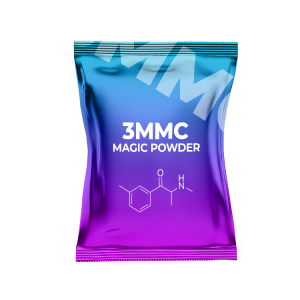
3-MMC Magic Powder, also known as 3-Methylmethcathinone, is a synthetic stimulant that belongs to the cathinone class, which is chemically related to substances like methcathinone and mephedrone (4-MMC). It is often marketed under names like “Magic Powder” in some contexts, particularly in the online or underground markets.
3MMC Magic Powder information:
Formal name: 3-Methylmethcathinone, also known as 3MMC and metaphedrone or 3-MMC Magic Powder
CAS Number: 1246816-62-5
Formula: C11H15NO
Purity: ≥98%

Reviews
There are no reviews yet