
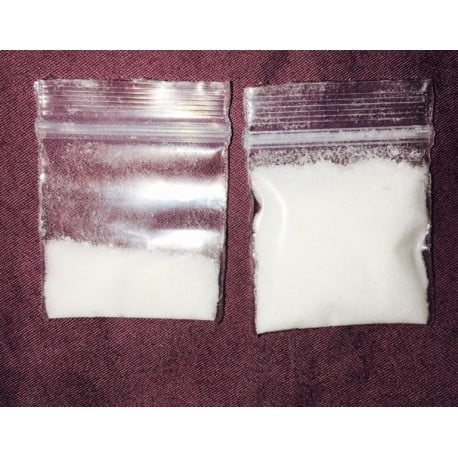
MDPV (Methylenedioxypyrovalerone)
Price range: $150.00 through $1,800.00
Methylenedioxypyrovalerone (MDPV) is a stimulant of the cathinone class that acts as a norepinephrine–dopamine reuptake inhibitor (NDRI). It was first developed in the 1960s by a team at Boehringer Ingelheim.
Its activity at the dopamine transporter is six times stronger than at the norepinephrine transporter and it is virtually inactive at the serotonin transporter.
Discreetly buy mdpv from us now. Best price guarantee MDPV (Methylenedioxypyrovalerone) buy at low price.
We have the best quality MDPV for sale on our online store
we as well offer discreet delivery and payment is secure with 100% privacy guaranteed at all times.
Telegram ID : kokapartyshop
Email: [email protected]
Introduction to MDPV (Methylenedioxypyrovalerone)
Methylenedioxypyrovalerone, commonly known as MDPV, is a synthetic psychoactive stimulant belonging to the cathinone family. It is a laboratory-produced chemical that affects the central nervous system and influences the activity of certain neurotransmitters in the human brain. Although Mdpv Powder in UK became known in recreational drug markets during the late 2000s, it has since attracted considerable attention from toxicologists, researchers, law enforcement agencies and European public health organisations.
Unlike pharmaceutical stimulants that have undergone clinical testing and received medical approval, MDPV is not an approved medicine. Furthermore, it has no recognised therapeutic benefits for general medical use. Its stimulant properties are associated with substantial health concerns, including cardiovascular complications, psychological disturbances and dependence.
Understanding Mdpv Powder in UK requires examining its chemical background, relationship with other synthetic cathinones, historical development and effects on human health. Additionally, its growing significance in European drug-monitoring discussions demonstrates why accurate scientific information and public awareness are increasingly important.
This educational overview explores the origins, chemical identity, reported forms, pharmacological characteristics, potential harms, legal situation and wider European impact of MDPV. Pure Crack Cocaine
1. What Is MDPV?
MDPV is a synthetic cathinone and a member of the pyrrolidinophenone subgroup of stimulant substances. Synthetic cathinones are chemically related to cathinone, a naturally occurring stimulant found in the khat plant (Catha edulis).
However, MDPV itself is not extracted from khat leaves. Instead, it is a fully synthetic compound produced through chemical processes.
Its scientific name is 3,4-methylenedioxypyrovalerone. The substance acts primarily on dopamine and norepinephrine transporters, which are responsible for regulating important neurotransmitter systems.
As a result, MDPV can produce powerful stimulant activity. Nevertheless, its pharmacological characteristics also contribute to its potential for misuse and serious toxicity.
The substance became particularly concerning because its effects can involve intense agitation, anxiety, paranoia and other unpredictable psychological reactions. Fish scale Cocaine
2. Origin and Historical Background of Mdpv Powder in UK
To understand the origin of MDPV, it is useful to examine the wider history of synthetic cathinones.
Cathinone is a naturally occurring chemical associated with the khat plant. Khat has traditionally been consumed in parts of East Africa and the Arabian Peninsula for its stimulant properties.
During the twentieth century, researchers began investigating synthetic chemicals structurally related to naturally occurring cathinone. This research eventually contributed to the development of several synthetic stimulant compounds.
Mdpv Powder in UK belongs to a chemical group related to pyrovalerone. Although the compounds share structural characteristics, they are not identical and should not be confused. Peruvian Pink Cocaine
Emergence in recreational drug markets
Mdpv Powder in UK attracted increasing attention in the late 2000s as part of the wider emergence of new psychoactive substances.
European monitoring records indicate that MDPV was present in the European Union drug market from November 2008. During the following years, reports of seizures, exposure and health concerns encouraged further scientific investigation.
Initially, synthetic cathinones were sometimes marketed under misleading descriptions such as research chemicals or legal alternatives to established stimulants. However, these descriptions did not demonstrate that the compounds were safe, approved or lawful.
Consequently, European authorities began strengthening their monitoring and regulatory responses.
In 2014, the European Monitoring Centre for Drugs and Drug Addiction conducted a formal risk assessment of MDPV. Subsequently, the European Council introduced EU-wide control measures for the substance.
This history demonstrates how a relatively unfamiliar synthetic chemical developed into a significant subject of European drug-policy and toxicological research. Pure Colombian Cocaine
3. Chemical Classification and Specifications of MDPV
Mdpv Powder in UK has a distinctive chemical structure that places it within the pyrrolidino-cathinone subgroup.
Its chemical characteristics are important for scientific identification, forensic investigation and toxicological research.
The following specifications describe the molecular identity rather than commercial quality, purity or suitability for consumption.
| Chemical characteristic | Description |
|---|---|
| Common name | MDPV |
| Full name | Methylenedioxypyrovalerone |
| Scientific name | 3,4-Methylenedioxypyrovalerone |
| Chemical classification | Synthetic cathinone |
| Subgroup | Pyrrolidinophenone |
| Molecular formula | C16H21NO3 |
| Molecular weight | Approximately 275.35 g/mol |
| Principal pharmacological activity | Dopamine and norepinephrine transporter inhibition |
| Medical status | Not an approved medicine |
| Recognised therapeutic use | None established |
These molecular characteristics distinguish MDPV from other synthetic stimulants.
However, identifying a chemical formula does not establish the identity or composition of an unknown substance found in an illicit market sample. Reliable identification requires appropriate laboratory analysis. Pure Bio Cocaine
How does MDPV affect the brain?
Mdpv Powder in UK primarily interferes with the normal reuptake of dopamine and norepinephrine.
Dopamine is involved in motivation, movement, reward and reinforcement. Meanwhile, norepinephrine contributes to alertness, attention and the body’s physiological stress response.
By interfering with their transporters, MDPV can increase the availability of these neurotransmitters around nerve cells.
Consequently, substantial stimulation of the nervous system may occur.
This mechanism helps researchers understand why MDPV can produce intense stimulant effects while also creating significant risks involving mental health and cardiovascular function. Pure Bolivian Cocaine
4. Types of MDPV and Related Synthetic Cathinones
It is important to clarify that MDPV is one specific chemical compound rather than a collection of medically recognised product varieties.
Some illicit-market descriptions refer to different appearances, preparations or purported grades. However, these descriptions do not establish scientifically verified categories or demonstrate consistent composition.
For educational purposes, MDPV should be distinguished from related synthetic cathinones.
MDPV
MDPV is the original compound discussed in this article. It belongs to the pyrrolidinophenone subgroup and is associated with powerful dopamine and norepinephrine transporter inhibition.
Pyrovalerone
Pyrovalerone is a structurally related chemical. Historically, it had medical applications in certain countries, although it was subsequently withdrawn and controlled.
Its historical medical use must not be confused with the status of Mdpv Powder in UK.
MDPBP
Methylenedioxypyrobutyrophenone, commonly abbreviated as MDPBP, is another structurally related synthetic cathinone.
Although it shares some chemical characteristics with MDPV, the substances are different compounds.
MDPPP
MDPPP is another related pyrrolidinophenone compound. Its molecular structure differs from that of MDPV.
MDPHP
Methylenedioxypyrovalerone derivatives include MDPHP, a separate synthetic cathinone that has also appeared in European drug-monitoring and forensic reports.
Alpha-PVP
Alpha-pyrrolidinopentiophenone, commonly known as alpha-PVP, is another pyrrolidino-cathinone.
It is important not to treat alpha-PVP, MDPHP and MDPV as interchangeable substances because their pharmacological and toxicological characteristics can differ.
Overall, chemical similarity does not establish equivalent potency, effects, safety or legal status.
5. Reported Effects of MDPV on the Human Body
MDPV is classified as a central nervous system stimulant. Its effects are associated with changes in neurotransmitter activity, particularly within dopamine and norepinephrine systems.
However, the reactions experienced by individuals can vary substantially.
They may depend on individual health, exposure, co-existing medical conditions and whether other substances are involved.
Psychological effects
Reported psychological effects associated with Mdpv Powder in UK include:
- Anxiety and intense nervousness.
- Agitation and restlessness.
- Paranoia and suspicious thinking.
- Confusion and disorientation.
- Hallucinations and psychotic symptoms.
- Aggressive or unpredictable behaviour.
- Memory and concentration difficulties.
- Disturbed sleep and prolonged wakefulness.
Furthermore, severe psychological reactions can interfere with judgement and decision-making.
In certain situations, individuals may experience extreme distress or become unable to recognise their surroundings accurately.
Physical effects
The stimulant properties of Mdpv Powder in UK can also affect several bodily systems.
Reported and biologically plausible physical effects include:
- Increased heart rate.
- Elevated blood pressure.
- Palpitations and chest discomfort.
- Excessive sweating.
- Increased body temperature.
- Muscle tension and involuntary movements.
- Blurred vision.
- Nausea and physical discomfort.
- Sleep disruption.
More serious complications can occur during severe intoxication. Mephedrone Powder
These include seizures, dangerous overheating, cardiovascular emergencies and other potentially life-threatening conditions.
Therefore, MDPV exposure should never be regarded as harmless simply because some symptoms initially appear temporary.
6. Potential Benefits and Medical Applications
An important distinction must be made between the stimulant properties of a chemical and genuine medical benefits.
Although users of some synthetic cathinones report temporary changes in energy, alertness or mood, these subjective experiences do not demonstrate therapeutic effectiveness. Amphetamine Powder
In the case of MDPV, there are no established or approved medical benefits.
The compound is not recognised as a treatment for:
- Depression.
- Attention-deficit/hyperactivity disorder.
- Chronic fatigue.
- Weight management.
- Anxiety disorders.
- Neurological conditions.
Furthermore, there is insufficient clinical evidence to establish a safe therapeutic application.
The scientific interest in Mdpv Powder in UK is primarily related to its pharmacological activity, toxicity, dependence potential and importance in forensic medicine.
Researchers may investigate its effects to understand how powerful stimulant compounds interact with the human nervous system. Nevertheless, laboratory investigation does not mean that a chemical is appropriate for human treatment.
Therefore, claims describing MDPV as a beneficial medicine or health-enhancing stimulant are unsupported.
7. Short-Term Health Risks Associated with MDPV
Short-term exposure can produce serious physical and psychological complications.
One important concern is excessive stimulation of the cardiovascular system.
Increased heart rate and blood pressure can place additional strain on the heart and circulation.
Additionally, high body temperature can create further medical complications, particularly when combined with physical exertion or environmental heat.
Acute psychological complications
Severe anxiety, panic, paranoia and hallucinations can occur.
In some situations, these reactions may develop into stimulant-induced psychosis, which can involve impaired reality testing, delusions and highly disturbed behaviour.
Cardiovascular emergencies
Stimulant-related cardiovascular complications can include severe hypertension, abnormal heart rhythms and chest pain.
In serious cases, emergency medical treatment may be necessary.
Neurological complications
Severe stimulant toxicity may cause seizures, confusion and altered consciousness.
These symptoms should always be treated as medical emergencies.
8. Long-Term Effects and Dependence Risks
Repeated exposure to powerful stimulants can increase the likelihood of psychological and behavioural problems.
MDPV has demonstrated substantial reinforcing properties in animal research. This is an important scientific warning because reinforcement can contribute to repeated drug-seeking behaviour.
However, precise long-term risks in humans remain difficult to establish because clinical research involving MDPV is limited.
Potential concerns include:
Psychological difficulties: Persistent anxiety, mood disturbances and sleep problems may occur in association with stimulant misuse.
Dependence: Repeated use can encourage compulsive patterns of behaviour and make stopping difficult.
Memory and concentration: Psychological distress and disrupted sleep may interfere with normal cognitive functioning.
Social problems: Substance-related difficulties can affect employment, education, personal relationships and financial stability.
Physical complications: Repeated stimulant exposure may create additional cardiovascular and general health concerns.
Importantly, individual outcomes vary, and the absence of a particular symptom does not establish that repeated exposure is safe.
9. MDPV and Its Impact on Europe
Mdpv Powder in UK has an important place in the European history of new psychoactive substances.
Its appearance during the late 2000s highlighted the challenges associated with monitoring synthetic drugs that were initially unfamiliar to public health and enforcement agencies.
Early European concerns
European authorities began receiving information about MDPV through drug seizures, monitoring systems and reports relating to its use.
By 2014, the substance had attracted sufficient attention to justify a formal EU risk assessment.
The assessment identified several important concerns, including reported fatalities, possible unintentional exposure, the lack of recognised medical value and uncertainty surrounding long-term health consequences.
Consequently, the EU adopted control measures in September 2014, requiring Member States to introduce appropriate national controls.
Changes in the European synthetic-drug market
Although MDPV was an important early synthetic cathinone, the wider European market has changed significantly.
Other compounds have subsequently appeared, including mephedrone, 3-MMC, 3-CMC, MDPHP and several newer synthetic cathinones.
According to the European Union Drugs Agency’s 2026 reporting, approximately 48.5 tonnes of synthetic cathinones were reported as seized or imported in the European Union during 2024.
This figure concerns the broader synthetic-cathinone market. It must not be interpreted as an MDPV-specific seizure figure.
The same report highlights concerns regarding misleading drug-market labels, unexpected substances in mixtures and the emergence of new synthetic stimulants.
These developments demonstrate why European monitoring systems must continually adapt.
Impact on public health
Synthetic cathinones create several challenges for European healthcare systems.
First, stimulant intoxication can result in emergency medical presentations involving cardiovascular symptoms, psychological disturbances and neurological complications.
Second, identifying the actual compound can be difficult when multiple substances are present.
Third, the long-term health consequences of many emerging synthetic stimulants are not fully understood.
Therefore, accurate toxicological testing, emergency treatment, education and accessible drug-dependence services remain important.
Impact on law enforcement
The spread of new synthetic chemicals also creates challenges for police, border agencies and forensic laboratories.
Different chemical structures may require separate identification and legal assessment.
Furthermore, suppliers may misrepresent the identity of compounds, making it harder to identify the substances involved in seizures and poisoning incidents.
As a result, cooperation between European monitoring organisations, forensic specialists and national authorities is essential.
10. Legal Status of MDPV in Europe and the United Kingdom
The legal position of MDPV is an important part of understanding its European history.
European Union
The European Council adopted Decision 2014/688/EU on 25 September 2014, introducing EU-wide control measures for MDPV and several other new psychoactive substances.
Member States were required to bring the relevant substances under national control.
Individual national laws determine the precise offences and penalties.
United Kingdom
In the United Kingdom, MDPV is classified as a Class B controlled drug under the Misuse of Drugs Act 1971 and appears in Schedule 1 of the Misuse of Drugs Regulations 2001.
Its possession, supply and production are subject to criminal restrictions.
Schedule 1 classification also reflects its lack of an authorised routine medical use.
Anyone needing legal clarification should consult current legislation or obtain advice from a qualified legal professional.
Importantly, descriptions such as research chemical, laboratory material or not for human consumption do not automatically make a controlled substance legal.
11. Why Accurate MDPV Identification Matters
One of the major problems associated with synthetic stimulants is uncertainty about the actual chemical composition of substances found in illicit markets.
Products may be incorrectly labelled, mixed with other chemicals or sold under misleading names.
Consequently, appearance, colour, texture and packaging cannot reliably establish chemical identity.
Even a substance represented as MDPV may contain a different compound or several substances.
Laboratory-based forensic testing is therefore important for identifying unknown chemicals.
This is particularly relevant for emergency healthcare professionals because different stimulants may require different toxicological assessments.
Accurate information also supports public health organisations in identifying emerging patterns and responding to drug-related incidents.
12. Frequently Asked Questions About MDPV
Q1. What does MDPV stand for?
MDPV stands for Methylenedioxypyrovalerone. Its scientific name is 3,4-methylenedioxypyrovalerone.
Q2. Is MDPV a natural or synthetic substance?
MDPV is a fully synthetic chemical. It belongs to the synthetic cathinone family, which is structurally related to the naturally occurring stimulant cathinone found in khat.
Q3. Is MDPV a stimulant?
Yes. MDPV is a powerful central nervous system stimulant. Its pharmacological activity primarily involves dopamine and norepinephrine transporter inhibition.
Q4. Does MDPV have any medical benefits?
No established therapeutic benefits or approved medical applications have been identified for MDPV.
Its scientific significance relates primarily to pharmacological research and the investigation of toxicological risks.
Q5. Is MDPV similar to cocaine?
MDPV and cocaine both interfere with monoamine neurotransmitter transporters, particularly dopamine transporters.
However, they are chemically different compounds and their pharmacological characteristics are not identical.
Therefore, they should not be treated as interchangeable substances.
Q6. Is MDPV the same as MDPHP?
No. MDPV and MDPHP are separate synthetic cathinones.
Although they share certain structural characteristics, their chemical identities and pharmacological properties differ.
Q7. Can MDPV cause psychological problems?
Yes. Reported concerns include anxiety, paranoia, agitation, hallucinations and psychotic symptoms.
Severe psychological reactions can require emergency medical assessment.
Q8. Is MDPV addictive?
MDPV has demonstrated strong reinforcing properties in animal studies, indicating substantial dependence potential.
The precise level of dependence risk in humans remains difficult to quantify. Nevertheless, the available evidence provides significant reason for concern.
Q9. Is MDPV legal in the UK?
No. MDPV is a Class B controlled drug under the Misuse of Drugs Act 1971 and a Schedule 1 substance under the Misuse of Drugs Regulations 2001.
Q10. When did MDPV first appear in Europe?
European Union records indicate that MDPV had been present in the European drug market since November 2008.
Q11. Can MDPV cause an overdose?
Yes. Severe intoxication can lead to dangerous cardiovascular symptoms, overheating, seizures, severe agitation and other potentially life-threatening complications.
Q12. Is it possible to identify MDPV by appearance?
No. Visual inspection cannot reliably confirm the identity or chemical composition of a substance.
Appropriate laboratory analysis is needed.
Q13. What should someone do if MDPV poisoning is suspected?
Seek emergency medical assistance immediately, especially if someone experiences chest pain, breathing difficulties, seizures, overheating, severe confusion or loss of consciousness.
In the UK, call 999 for an emergency. Do not leave the affected person alone, and tell medical professionals what substances may have been involved.
13. The Importance of Public Awareness and Research
The development of synthetic cathinones has changed the landscape of European drug monitoring and public health.
Whereas older drug-monitoring systems concentrated heavily on established substances, newer synthetic chemicals have introduced additional challenges.
Consequently, researchers and healthcare professionals need reliable information about the pharmacological and toxicological characteristics of individual compounds.
MDPV provides an important example of these challenges.
Its history demonstrates how a synthetic stimulant can enter an illicit market, attract international attention and eventually become subject to formal legal controls.
Furthermore, developments involving other synthetic cathinones show that regulation alone cannot completely address the public health consequences of emerging psychoactive substances.
Education, prevention, treatment accessibility and accurate chemical identification are equally important.
14. Conclusion: Understanding MDPV and Its European Significance
Methylenedioxypyrovalerone (MDPV) is a synthetic cathinone with significant pharmacological activity and substantial potential health risks.
Its chemical identity, relationship with pyrovalerone and effects on dopamine and norepinephrine systems make it an important subject in forensic science and toxicological research.
Historically, MDPV became established in European drug-market monitoring from 2008 onwards. Subsequent investigations identified concerns regarding intoxication, fatalities and its potential for misuse.
In response, European authorities introduced formal control measures in 2014, while the United Kingdom subsequently maintained its classification as a Class B, Schedule 1 controlled substance.
Although newer synthetic cathinones now account for much of the changing European market, MDPV remains relevant to scientific research and public-health education.
Ultimately, understanding its chemical properties, reported effects, legal status and potential consequences helps individuals, healthcare professionals and policymakers make better-informed decisions.
Accurate information is especially important because the effects of synthetic stimulants can be unpredictable, and serious health complications may occur without warning.
| Quantity | 5 grams, 10 grams, 30 grams, 50 grams, 100 grams, 250 grams, 500 grams |
|---|
1 review for MDPV (Methylenedioxypyrovalerone)
0%
0%
100%
0%
0%
1-1 of 1 review
Add a review
 MDPV (Methylenedioxypyrovalerone)
Your review
* Review is required
Name
* Name is required
Email
* Email is required
Add photos or video to your review
Related Products
-
JWH-018 synthetic cannabinoid
Original price was: $60.00.$45.00Current price is: $45.00.JWH-018 synthetic cannabinoid
JWH-018, also known as AM-678, is a laboratory-developed synthetic cannabinoid belonging to the naphthoylindole chemical family. Initially investigated for its interaction with CB1 and CB2 cannabinoid receptors, it later became associated with Spice and K2 products. Explore its chemical specifications, origin, pharmacological properties, reported effects, health risks, and legal status. This educational overview highlights its scientific significance and potential dangers to public health.
-
Gamma‑hydroxybutyric acid (GHB)
Original price was: $400.00.$150.00Current price is: $150.00.Buy Gamma Hydroxybutyric Acid
GHB is used for medical purposes in the treatment of narcolepsy and, more rarely, alcohol dependence, although there remains uncertainty about its efficacy relative to other pharmacotherapies for alcohol dependence.
The authors of a 2010 Cochrane review concluded that “GHB appears better than NTX and Disulfiram in maintaining abstinence and preventing craving in the medium term (3 to 12 months)”. It is sometimes used off-label for the treatment of fibromyalgia.
GHB is the active ingredient of the prescription medication sodium oxybate (Xyrem). Sodium oxybate is approved by the U.S. Food and Drug Administration for the treatment of cataplexy associated with narcolepsy and excessive daytime sleepiness (EDS) associated with narcolepsy.
GHB has been shown to reliably increase slow-wave sleep and decrease the tendency for REM sleep in modified multiple sleep latency tests.
The FDA approved labeling for sodium oxybate suggests no evidence GHB has teratogenic, carcinogenic or hepatotoxic properties. Its favorable safety profile relative to ethanol may explain why GHB continues to be investigated as a candidate for alcohol substitution.
Telegram ID : kokapartyshop
Email: [email protected]
-
Crystal Methamphetamine (N-methylamphetamine)
Price range: $200.00 through $2,500.00
Cas Number 537-46-2
ATC code N06BA03
PubChem CID 1206
DrugBank DB01577
Synonyms N-methylamphetamine, desoxyephedrine
Formula C10H15N
Molecular mass 149.2337 g/mol
Melting point 3 °C (37 °F) [8] -
MDAI (5,6-methylenedioxy-2-aminoindane)
Price range: $400.00 through $5,500.00MDAI (5,6-Methylenedioxy-2-aminoindane) is a synthetic research chemical that has been studied for its potential effects as a psychoactive substance. It is a member of the aminoindane class, which is chemically similar to MDMA (Ecstasy) but lacks the typical amphetamine structure.
Telegram ID : kokapartyshop
Email: [email protected]

Though my delivery was delayed and but the quality of your MDPV was the best I had ever had for a long time now so count me as a your regular client.