
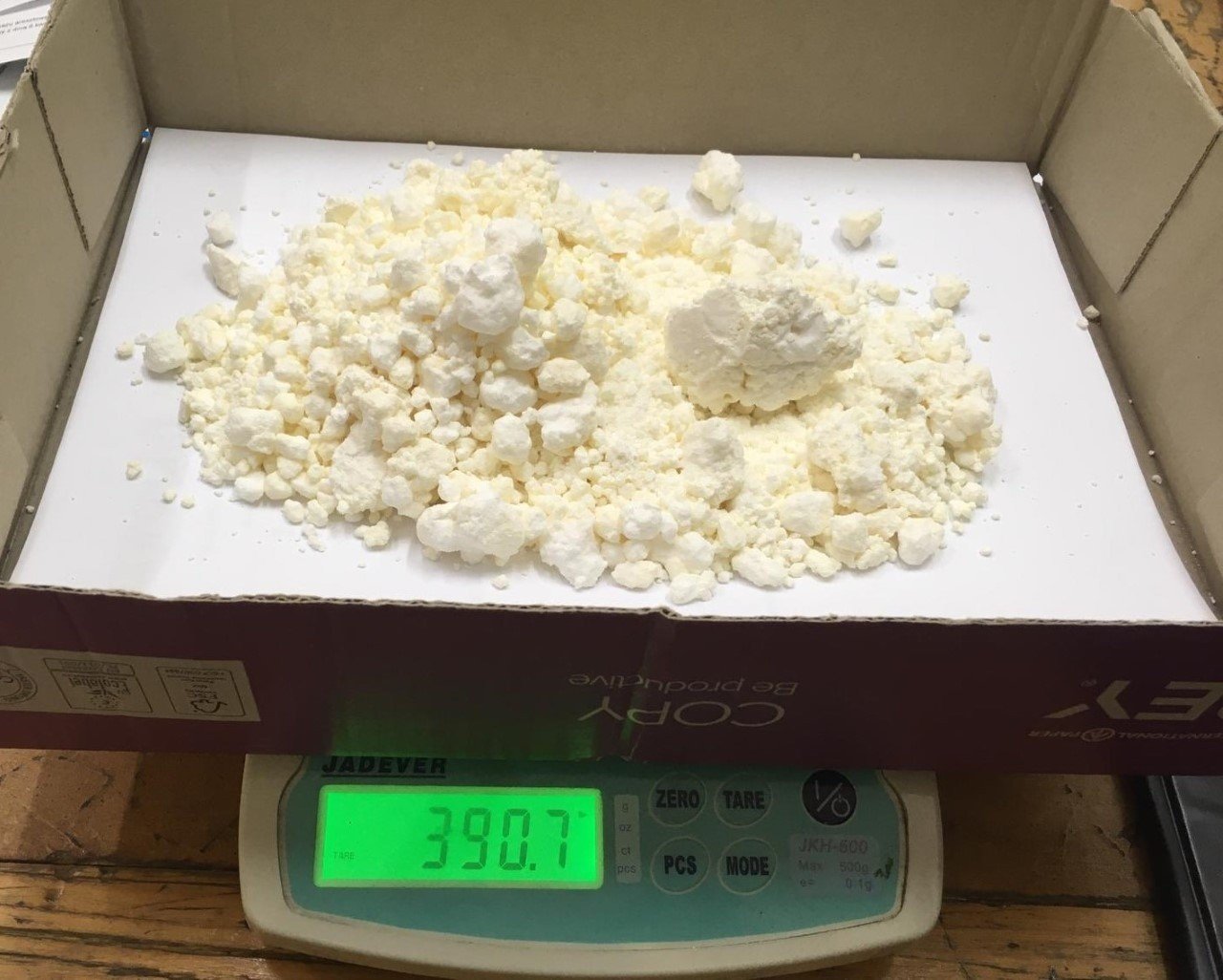
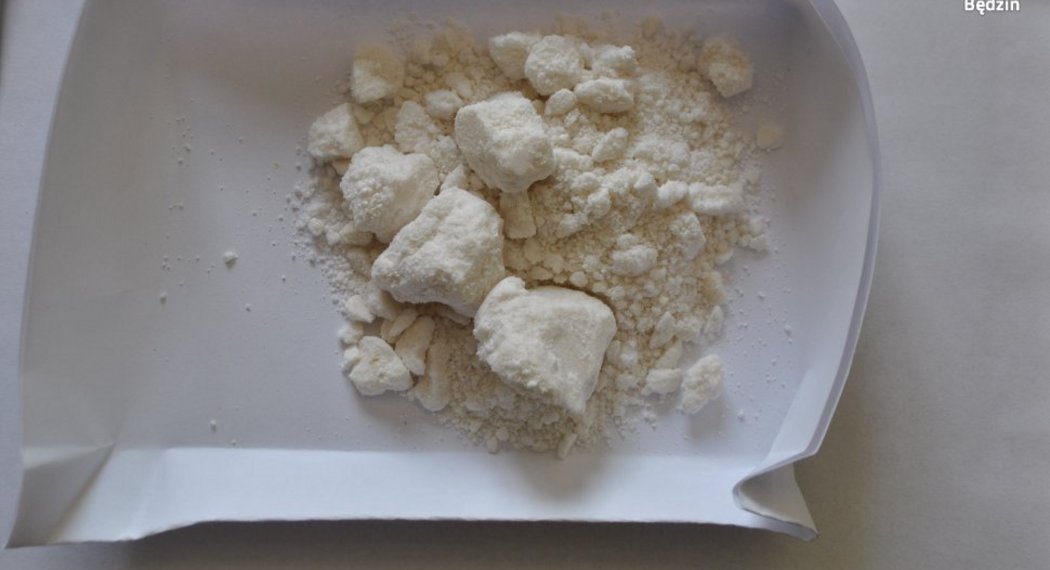
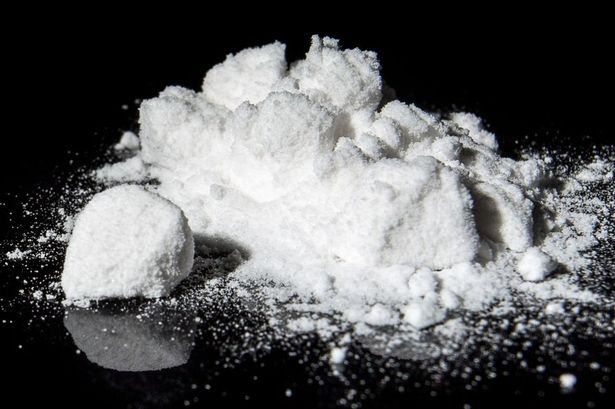
Amphetamine Powder (Speed)
Price range: $20.00 through $3,200.00
Amphetamine for sale is a central nervous system stimulant that is used in the treatment of attention deficit hyperactivity disorder, narcolepsy, and obesity. Amphetamine was discovered as a chemical in 1887 by Lazăr Edeleanu, and then as a drug in the late 1920s.
Telegram ID : kokapartyshop
Email: [email protected]
Amphetamine Powder: Origin, Types, Chemical Specifications, Effects, Health Risks and Impact on Society
Amphetamine powder is a powerful central nervous system stimulant that has attracted considerable attention because of its medical history, non-medical use, effects on human behaviour, and influence on public health. Although amphetamine has legitimate medical applications under controlled conditions, its non-prescribed consumption can create serious health, psychological, social, and legal problems.
Understanding amphetamine requires looking beyond its reputation as a stimulant. Its history, chemical characteristics, different forms, potential medical applications, short-term effects, long-term consequences, and impact on communities all provide important information for education and prevention.
This article explores the subject from a scientific and public-health perspective. It is intended for educational purposes and does not promote the production, purchase, sale, or non-medical consumption of controlled substances.
1. What Is Amphetamine Powder?
Amphetamine is a synthetic stimulant that affects the central nervous system (CNS), particularly the brain’s neurotransmitter systems.
It influences the activity of several chemical messengers, especially:
-
Dopamine: Associated with motivation, reward, attention, and movement.
-
Norepinephrine: Involved in alertness, attention, and the body’s stress response.
-
Serotonin: Plays a role in mood, sleep, and other neurological functions.
Amphetamine powder is a general description of powdered material containing an amphetamine compound. Its appearance does not establish its identity, purity, concentration, or safety.
Illicitly distributed powders may contain unexpected substances, contaminants, or different stimulant compounds. Consequently, appearance alone cannot establish what a sample contains.
2. Origin and History of Amphetamine
Amphetamine has a history extending back more than a century.
The compound was first synthesised in 1887 by Romanian chemist Lazăr Edeleanu while researching organic chemical compounds. However, its stimulant properties were not immediately recognised or widely investigated.
During the 1920s and 1930s, researchers began examining its potential medical applications. Amphetamine subsequently became associated with treatments involving nasal congestion, fatigue, and certain neurological conditions.
During the Second World War, amphetamine and related stimulants were used by military personnel in several countries to combat fatigue and maintain alertness. This historical use contributed to wider awareness of stimulant drugs.
Following the war, non-medical consumption increased in several regions. Concerns about dependence, psychological effects, cardiovascular complications, and misuse eventually resulted in tighter regulation.
Today, amphetamine remains medically relevant in certain countries, particularly in carefully controlled treatments for attention-deficit/hyperactivity disorder (ADHD) and other recognised conditions.
3. Different Types of Amphetamine
The term amphetamine can refer to several related compounds and pharmaceutical formulations. Understanding their differences is important because their pharmacological properties and medical applications are not necessarily identical.
A. Amphetamine
Amphetamine is the parent compound of a family of central nervous system stimulants. It affects dopamine and norepinephrine signalling and can influence attention, wakefulness, and activity levels.
B. Dextroamphetamine
Dextroamphetamine is one of the two principal optical isomers of amphetamine. It is used in certain prescription medicines and has established medical applications, including ADHD treatment.
C. Levoamphetamine
Levoamphetamine is the other principal optical isomer. It has somewhat different pharmacological activity and is less prominent in many modern prescription formulations.
D. Mixed Amphetamine Salts
Some prescription medicines contain combinations of amphetamine salts. These formulations are designed for controlled medical use and may have different release characteristics.
E. Methamphetamine
Methamphetamine is a closely related but chemically distinct stimulant. It should not be treated as interchangeable with amphetamine because differences in pharmacology, potency, risks, and medical regulation are important.
Important distinction: Street names, colour, texture, and powder appearance are not reliable ways to identify these substances.
4. Chemical Specifications and General Properties of Amphetamine
Amphetamine belongs to the phenethylamine chemical family. Its molecular structure contains a phenyl group and an amine-containing side chain.
The following table presents general scientific identification information about the parent compound.
| Property | Scientific information |
|---|---|
| Chemical name | Amphetamine |
| IUPAC name | 1-Phenylpropan-2-amine |
| Molecular formula | C₉H₁₃N |
| Molecular weight | 135.21 g/mol |
| CAS number | 300-62-9 |
| Chemical family | Phenethylamines |
| Classification | Central nervous system stimulant |
| Stereochemistry | Two optical isomers |
| Primary neurotransmitters | Dopamine and norepinephrine |
Sources: PubChem and the European Union Drugs Agency.
PubChem+1
Understanding physical characteristics
The chemical compound and its pharmaceutical salts have different physical properties. For example, amphetamine base and amphetamine sulfate should not be confused when discussing scientific specifications.
Illicit powders can vary significantly in composition. Their colour, texture, smell, and apparent consistency cannot establish chemical identity or purity.
For accurate identification, professional laboratory analysis is necessary. Techniques used in forensic and analytical laboratories include:
-
Gas chromatography.
-
Mass spectrometry.
-
Liquid chromatography.
-
Infrared spectroscopy.
-
Nuclear magnetic resonance spectroscopy.
These techniques help qualified laboratories identify compounds and investigate potentially dangerous adulterants.
Important: There is no reliable visual specification that establishes whether an unidentified amphetamine powder is safe for human consumption.
5. Potential Medical Benefits and Legitimate Applications
When discussing amphetamine, it is important to distinguish between medically supervised treatment and recreational stimulant consumption.
Amphetamine-based medicines have recognised applications in healthcare. They are prescribed in selected circumstances by qualified medical professionals.
A. Attention-Deficit/Hyperactivity Disorder (ADHD)
One established application is the treatment of ADHD.
ADHD can affect attention, impulse control, organisation, and everyday functioning. Certain prescription stimulant medications can improve concentration and help manage symptoms in appropriately diagnosed patients.
B. Narcolepsy
Narcolepsy is a neurological sleep disorder associated with excessive daytime sleepiness and difficulties regulating sleep-wake cycles.
Certain amphetamine-based medicines have historically been used to promote wakefulness in selected patients.
C. Improved Attention Under Medical Supervision
In patients receiving appropriate prescriptions, stimulant treatment may improve:
-
Sustained attention.
-
Task organisation.
-
Impulse regulation.
-
Everyday functioning.
-
Ability to complete structured activities.
However, these therapeutic outcomes should not be confused with the temporary stimulation experienced during non-medical use.
D. Why Medical Supervision Matters
Prescription medications are manufactured under regulated conditions and prescribed according to individual medical needs.
Medical supervision helps assess cardiovascular health, sleep disturbances, psychological symptoms, interactions with other medicines, and the possibility of dependence.
Important distinction: The existence of legitimate medical applications does not mean that illicit amphetamine powder offers health benefits. Non-prescribed consumption carries significant risks and is not a safe substitute for medical treatment.
6. Short-Term Effects of Amphetamine
Amphetamine stimulates the central nervous system, potentially producing noticeable changes in physical activity, mood, concentration, and behaviour.
The effects vary according to individual physiology, the substance involved, other substances consumed, and the person’s health.
Commonly reported short-term effects
Some effects associated with stimulant exposure include:
-
Increased alertness.
-
Reduced feelings of tiredness.
-
Temporary feelings of increased energy.
-
Reduced appetite.
-
Increased heart rate.
-
Elevated blood pressure.
-
Difficulty falling asleep.
-
Restlessness and nervousness.
-
Increased sweating.
-
Irritability and anxiety.
Although some people may initially experience increased confidence or sociability, these effects are unpredictable and can be accompanied by harmful physical and psychological reactions.
The EUDA identifies cardiovascular disturbances, agitation, confusion, paranoia, and insomnia among the recognised risks.
The European Union Drugs Agency (EUDA)
7. Long-Term Effects and Health Risks
Repeated non-medical amphetamine exposure can affect several areas of physical and psychological health.
A. Cardiovascular Problems
Amphetamine stimulates the sympathetic nervous system, increasing cardiovascular activity.
Potential complications include:
-
Persistent high blood pressure.
-
Rapid or irregular heartbeat.
-
Cardiovascular strain.
-
Increased risk of serious cardiac events.
People with existing cardiovascular conditions may face particularly serious risks.
B. Mental Health Problems
Long-term or excessive stimulant exposure can contribute to psychological difficulties.
Potential consequences include:
-
Anxiety and panic.
-
Depression.
-
Paranoia.
-
Irritability.
-
Aggressive behaviour.
-
Stimulant-induced psychosis.
In some cases, psychiatric symptoms may continue after the immediate stimulant effects have subsided.
C. Sleep Disorders
Sleep is essential for memory, emotional regulation, concentration, and general health.
Amphetamine-related stimulation can interfere with normal sleep patterns. Persistent sleep deprivation may contribute to exhaustion, reduced cognitive performance, emotional instability, and difficulties maintaining employment or education.
D. Dependence and Addiction
Repeated exposure can lead to tolerance, meaning that the original effects become less pronounced.
Some individuals may develop stimulant use disorder, involving difficulty controlling consumption despite negative consequences.
Dependence can affect relationships, finances, employment, and physical and mental wellbeing.
E. Nutritional Problems
Reduced appetite may result in inadequate nutritional intake.
Over time, poor nutrition and disrupted sleep can contribute to weight loss, weakness, and other health complications.
The EUDA describes several of these long-term health and behavioural consequences in its amphetamine risk assessment.
The European Union Drugs Agency (EUDA)+1
8. Amphetamine Powder and Its Impact on Society
The impact of amphetamine extends beyond individual health. Non-medical stimulant use can create challenges for families, educational institutions, workplaces, healthcare systems, and governments.
A. Impact on Students and Young Adults
Students may encounter stimulant substances through social environments, peer pressure, or online misinformation.
Some individuals mistakenly associate stimulant exposure with improved academic performance because of temporary feelings of alertness.
However, sleep deprivation, anxiety, impaired judgement, and dependence can undermine educational progress.
Education and prevention programmes should explain the difference between prescribed medical treatment and recreational drug use.
B. Impact on Employment and Productivity
Stimulant misuse can affect workplace safety and performance.
Potential consequences include:
-
Reduced concentration after periods of sleep deprivation.
-
Increased workplace accidents.
-
Absenteeism.
-
Financial difficulties.
-
Employment instability.
-
Problems with professional relationships.
Although temporary stimulation may create a perception of increased productivity, it does not guarantee improved performance or decision-making.
C. Impact on Families
Substance misuse can place considerable pressure on family relationships.
Relatives may experience emotional distress, financial uncertainty, communication difficulties, and concerns about personal safety.
Family education, counselling, and access to appropriate treatment can help reduce these consequences.
D. Criminal Activity and Illegal Markets
The illicit amphetamine market creates challenges for law enforcement and public authorities.
The European Union Drugs Agency has identified Belgium and the Netherlands as important locations in European illicit amphetamine production. It also highlights the environmental hazards associated with illegal production and chemical waste.
The European Union Drugs Agency (EUDA)
Illegal markets can contribute to:
-
Organised criminal activity.
-
Drug trafficking.
-
Financial exploitation.
-
Unsafe production environments.
-
Environmental contamination.
-
Increased demand for public health interventions.
E. Pressure on Healthcare Services
People experiencing stimulant-related health complications may require emergency treatment, psychiatric support, addiction services, and long-term rehabilitation.
This creates additional responsibilities for public healthcare providers.
Prevention, early intervention, and accessible treatment services are important tools for reducing the overall social burden.
9. Amphetamine in Europe: Public Health and Legal Considerations
Amphetamine remains an important subject in European drug-policy discussions.
The European Union has experienced illicit stimulant markets involving powdered and paste-like products. The Netherlands and Belgium have featured prominently in European assessments of production and trafficking.
Public authorities face several challenges:
-
Monitoring changing drug markets.
-
Identifying dangerous adulterants.
-
Preventing youth exposure.
-
Supporting people experiencing addiction.
-
Reducing organised criminal activity.
-
Managing environmental damage caused by illegal production.
Legal restrictions differ between countries. In the Netherlands, amphetamine is a controlled substance under the Opium Act. Unauthorised possession, production, and distribution can result in legal consequences.
Prescription medicines containing amphetamine are subject to separate medical and regulatory requirements.
For reliable information, readers should consult official national health and drug-policy authorities rather than online sellers or unverified social media sources.
10. Recognising Amphetamine Overdose and Emergency Situations
Amphetamine intoxication can become a medical emergency, particularly when someone experiences severe cardiovascular or neurological symptoms.
Warning signs can include:
-
Chest pain or difficulty breathing.
-
Extremely rapid or irregular heartbeat.
-
Severe agitation or confusion.
-
High body temperature.
-
Seizures.
-
Hallucinations or severe paranoia.
-
Loss of consciousness.
Medical emergency
If someone displays these symptoms, contact emergency medical services immediately. In the Netherlands, call 112.
Do not leave the affected person alone. Do not attempt to manage a suspected overdose through home remedies or additional substances. Provide emergency responders with any information about what may have been consumed.
11. Prevention, Education and Treatment
Preventing amphetamine-related harm requires cooperation between individuals, healthcare professionals, educational institutions, families, and government organisations.
Education and awareness
Accurate information about stimulant drugs can help people recognise misinformation and understand the potential consequences of non-medical consumption.
Professional treatment
People experiencing problematic stimulant use can benefit from professional addiction services.
Treatment may include:
-
Psychological counselling.
-
Cognitive behavioural therapy.
-
Assessment of mental health conditions.
-
Treatment of sleep disturbances.
-
Medical monitoring.
-
Social and family support.
-
Long-term recovery planning.
Reducing stigma
People experiencing substance use disorders should be treated with dignity and compassion.
Stigma can discourage individuals from seeking professional assistance. Accessible healthcare and evidence-based education can help improve recovery outcomes.
12. Frequently Asked Questions About Amphetamine Powder
1. What is amphetamine powder?
Amphetamine powder refers to powdered material containing an amphetamine compound. Amphetamine is a synthetic central nervous system stimulant that affects dopamine and norepinephrine activity in the brain.
2. What is the origin of amphetamine?
Amphetamine was first synthesised in the late nineteenth century. Its pharmacological properties were investigated more extensively during the twentieth century, eventually leading to medical applications and increased regulation.
3. What are the different types of amphetamine?
Commonly discussed forms include amphetamine, dextroamphetamine, levoamphetamine, and mixed amphetamine salts. Methamphetamine is a related but chemically distinct substance.
4. What is the chemical formula of amphetamine?
The molecular formula of amphetamine is C₉H₁₃N, and its molecular weight is approximately 135.21 g/mol.
5. Does amphetamine have medical benefits?
Certain regulated amphetamine-based medicines have legitimate medical applications, particularly for ADHD and, in selected circumstances, narcolepsy. Their use requires appropriate medical assessment and supervision.
6. What are the immediate effects of amphetamine?
Potential short-term effects include increased alertness, reduced appetite, insomnia, increased heart rate, elevated blood pressure, nervousness, and restlessness.
7. Can amphetamine cause addiction?
Yes. Repeated non-medical consumption can result in tolerance, dependence, and stimulant use disorder. Professional treatment can help people experiencing these problems.
8. What are the long-term effects of amphetamine?
Potential long-term consequences include cardiovascular complications, sleep disorders, anxiety, depression, paranoia, nutritional problems, and difficulties with memory and decision-making.
9. Is amphetamine powder dangerous?
It can be dangerous, particularly when obtained from unregulated sources. Unknown composition, contamination, unpredictable potency, and individual health differences increase the risks.
10. Is amphetamine legal in Europe?
Amphetamine is controlled under national and international drug-control frameworks. Medical use may be permitted under specific prescription requirements, while unauthorised possession and distribution can carry legal penalties.
11. How does amphetamine affect society?
Its non-medical use can contribute to addiction, family difficulties, workplace problems, healthcare expenses, criminal activity, and pressure on public services.
12. Where can someone get help with amphetamine-related problems?
People in the Netherlands can contact their GP (huisarts), local addiction-care services, or a mental health professional. Emergency symptoms require immediate medical assistance.
- Amphetamine Powder
13. Conclusion: Understanding Amphetamine Through Science and Public Awareness
Amphetamine is a historically significant synthetic stimulant with both recognised medical applications and substantial public-health concerns.
Its development illustrates how a chemical compound can move from scientific research into pharmaceutical medicine while also becoming associated with non-medical consumption and illegal markets.
Although prescribed amphetamine medicines may provide meaningful benefits for certain patients, recreational or uncontrolled consumption can create serious physical, psychological, and social consequences.
The impact on society includes addiction, healthcare costs, family difficulties, workplace disruption, criminal markets, and environmental concerns.
A balanced understanding of amphetamine should therefore consider its scientific history, medical applications, chemical characteristics, health risks, and wider social consequences.
Ultimately, evidence-based education, responsible medical practice, prevention, and accessible addiction treatment remain essential to reducing amphetamine-related harm.
| Quantity | 1gram, 2grams, 5grams, 10grams, 50grams, 100grams, 500grams, 1kilo |
|---|
Add a review
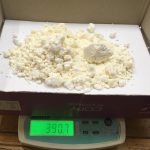 Amphetamine Powder (Speed)
Your review
* Review is required
Name
* Name is required
Email
* Email is required
Add photos or video to your review
Related Products
-
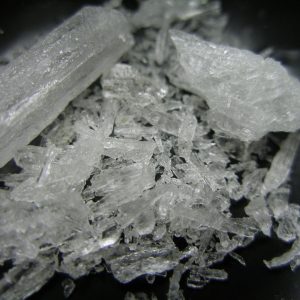
Crystal Methamphetamine (N-methylamphetamine)
Price range: $200.00 through $2,500.00
Cas Number 537-46-2
ATC code N06BA03
PubChem CID 1206
DrugBank DB01577
Synonyms N-methylamphetamine, desoxyephedrine
Formula C10H15N
Molecular mass 149.2337 g/mol
Melting point 3 °C (37 °F) [8] -
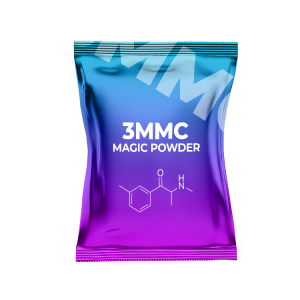
3MMC Magic Powder
Price range: $350.00 through $3,850.00Telegram ID : kokapartyshop
Email: [email protected]
3-MMC Magic Powder, also known as 3-Methylmethcathinone, is a synthetic stimulant that belongs to the cathinone class, which is chemically related to substances like methcathinone and mephedrone (4-MMC). It is often marketed under names like “Magic Powder” in some contexts, particularly in the online or underground markets.
3MMC Magic Powder information:
Formal name: 3-Methylmethcathinone, also known as 3MMC and metaphedrone or 3-MMC Magic Powder
CAS Number: 1246816-62-5
Formula: C11H15NO
Purity: ≥98%
-
JWH-018 synthetic cannabinoid
Original price was: $60.00.$45.00Current price is: $45.00.JWH-018 synthetic cannabinoid
JWH-018, also known as AM-678, is a laboratory-developed synthetic cannabinoid belonging to the naphthoylindole chemical family. Initially investigated for its interaction with CB1 and CB2 cannabinoid receptors, it later became associated with Spice and K2 products. Explore its chemical specifications, origin, pharmacological properties, reported effects, health risks, and legal status. This educational overview highlights its scientific significance and potential dangers to public health.
-
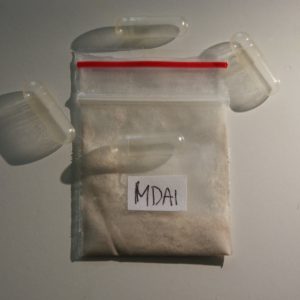
MDAI (5,6-methylenedioxy-2-aminoindane)
Price range: $400.00 through $5,500.00MDAI (5,6-Methylenedioxy-2-aminoindane) is a synthetic research chemical that has been studied for its potential effects as a psychoactive substance. It is a member of the aminoindane class, which is chemically similar to MDMA (Ecstasy) but lacks the typical amphetamine structure.
Telegram ID : kokapartyshop
Email: [email protected]

Reviews
There are no reviews yet