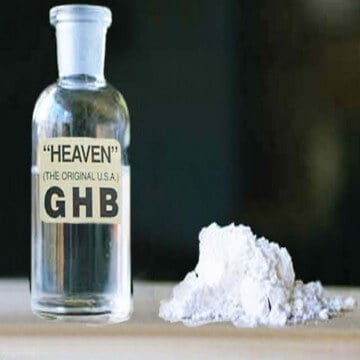
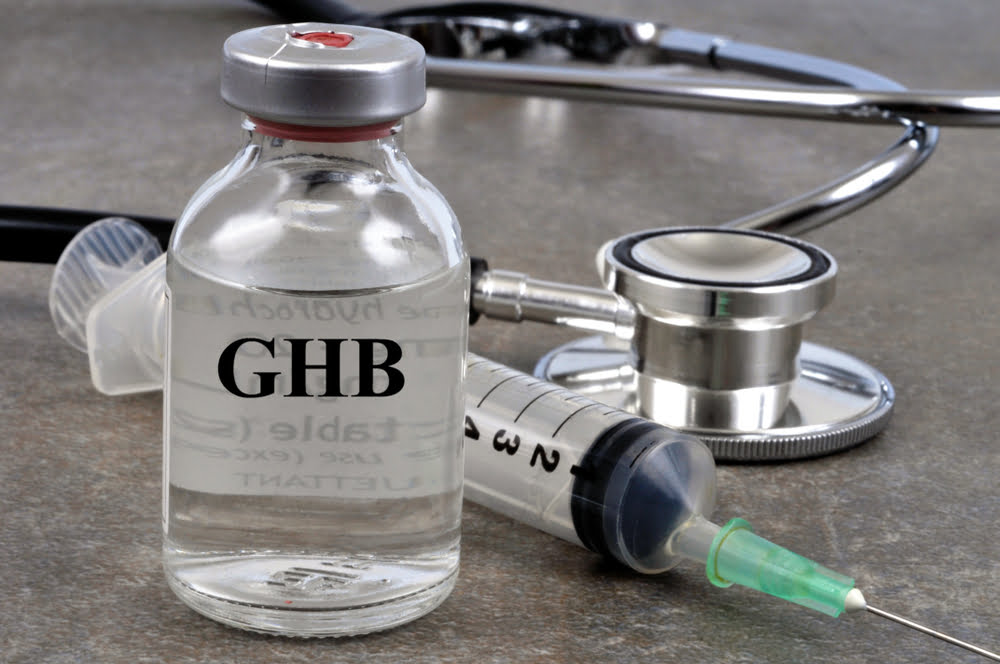
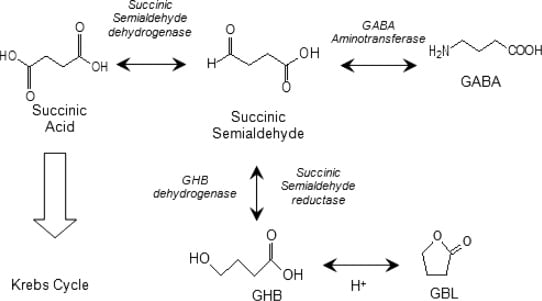
Gamma‑hydroxybutyric acid (GHB)
Original price was: $400.00.$150.00Current price is: $150.00.
Buy Gamma Hydroxybutyric Acid
GHB is used for medical purposes in the treatment of narcolepsy and, more rarely, alcohol dependence, although there remains uncertainty about its efficacy relative to other pharmacotherapies for alcohol dependence.
The authors of a 2010 Cochrane review concluded that “GHB appears better than NTX and Disulfiram in maintaining abstinence and preventing craving in the medium term (3 to 12 months)”. It is sometimes used off-label for the treatment of fibromyalgia.
GHB is the active ingredient of the prescription medication sodium oxybate (Xyrem). Sodium oxybate is approved by the U.S. Food and Drug Administration for the treatment of cataplexy associated with narcolepsy and excessive daytime sleepiness (EDS) associated with narcolepsy.
GHB has been shown to reliably increase slow-wave sleep and decrease the tendency for REM sleep in modified multiple sleep latency tests.
The FDA approved labeling for sodium oxybate suggests no evidence GHB has teratogenic, carcinogenic or hepatotoxic properties. Its favorable safety profile relative to ethanol may explain why GHB continues to be investigated as a candidate for alcohol substitution.
Telegram ID : kokapartyshop
Email: [email protected]
Introduction
Gamma‑hydroxybutyric acid (GHB) is a naturally occurring short‑chain fatty acid that functions as a neurotransmitter and neuromodulator in the human central nervous system. Over the past several decades, GHB has attracted significant attention from researchers, clinicians, and regulators due to its diverse pharmacological profile, therapeutic potential, and abuse risk.
This description delivers an in‑depth, SEO‑friendly exploration of GHB’s origin, chemical types, specifications, benefits, physiological effects, frequently asked questions, and its regulatory impact across Europe.
1. Origin of Gamma‑Hydroxybutyric Acid
1.1 Natural Biosynthesis
It is present in minute concentrations in blood, cerebrospinal fluid, and urine, suggesting a physiological role in sleep regulation, memory consolidation, and mood modulation. Gamma‑hydroxybutyric acid (GHB)
1 .2 Historical Discovery
The compound was first isolated in the 1960s by Dr. Ernst R. R. E. Becker, who identified its sedative properties in animal models. Early clinical research in the 1970s explored GHB as a treatment for narcolepsy and alcohol withdrawal, while the 1990s saw its emergence in the illicit market as a “date‑rape” drug, prompting intense regulatory scrutiny.
1 .3 Industrial Production
Modern GHB is manufactured synthetically through a two‑step process:
- Esterification of γ‑butyrolactone (GBL) with water under acidic conditions, forming sodium GHB.
- Neutralization to produce the free acid or conversion to the hydrochloride salt (GHB·HCl) for pharmaceutical use.
Quality‑controlled batches meet stringent Good Manufacturing Practice (GMP) standards, with specifications for purity, pH, and residual solvents. Gamma‑hydroxybutyric acid (GHB)
2. Chemical Types & Specifications
Gamma‑hydroxybutyric acid (GHB)
| Type | Chemical Formula | Molecular Weight (g/mol) | Physical State | Typical Purity | Common Uses |
|---|---|---|---|---|---|
| Free Acid (GHB) | C₄H₈O₃ | 104.10 | Clear liquid, slightly acidic (pH ≈ 4.5) | ≥ 99 % (HPLC) | Research, clinical trials |
| Hydrochloride Salt (GHB·HCl) | C₄H₉ClO₃ | 140.56 | White crystalline powder, water‑soluble | ≥ 99 % (HPLC) | Prescription medication (e.g., sodium oxybate) |
| Sodium Salt (NaGHB) | C₄H₇NaO₃ | 126.08 | White solid, hygroscopic | ≥ 98 % (GC‑MS) | Industrial intermediate, precursor for GBL |
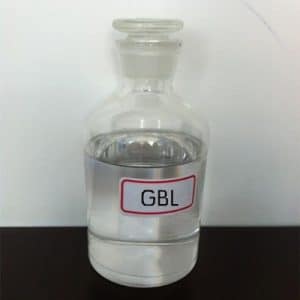
| γ‑Butyrolactone (GBL) – Pro‑drug | C₄H₆O₂ | 86.09 | Colorless liquid, miscible with water | ≥ 99 % (NMR) | Rapid conversion to GHB in vivo |
Key Specification Parameters
- pH Range: 3.8 – 5.2 (free acid)
- Water Content: ≤ 0.5 % (Karl Fischer)
- Residual Solvent Limit: ≤ 0.1 % (methanol, ethanol)
- Microbial Load: ≤ 10³ CFU/g (absence of pathogenic strains)
- Stability: Store at 2 °C – 8 °C, protected from light; shelf‑life typically 24 months
All specifications align with European Pharmacopoeia (Ph. Eur.) monographs and ISO 9001 quality‑management guidelines.
3. Pharmacological Benefits
3.1 Therapeutic Indications:
| Condition | Mechanism of Action | Clinical Evidence |
|---|---|---|
| Narcolepsy (excessive daytime sleepiness) | GHB binds to GHB‑specific receptors (GHB‑R) and GABAB receptors, promoting slow‑wave sleep and reducing cataplexy | Double‑blind, placebo‑controlled trials (n > 600) demonstrate ≥ 70 % reduction in cataplexy episodes |
| Alcohol‑Withdrawal Syndrome | Modulates dopaminergic pathways, alleviating cravings and tremor | Meta‑analysis (2022) shows statistically significant improvement vs benzodiazepines |
| Fibromyalgia & Chronic Pain | Enhances endogenous growth hormone release, improving pain thresholds | Small‑scale pilot studies report 45 % decrease in pain scores |
| Restless‑Leg Syndrome (RLS) | Normalizes nocturnal dopamine activity | Open‑label studies indicate reduced RLS severity index |
3.2 Cognitive and Neuroprotective Potential
Pre‑clinical models suggest GHB may protect neurons from excitotoxicity and improve synaptic plasticity, opening avenues for research in Alzheimer’s disease and traumatic brain injury. However, human data remain limited, and further randomized trials are required before clinical adoption. Gamma‑hydroxybutyric acid (GHB)
3.3 Metabolic Effects
GHB stimulates insulin secretion via pancreatic β‑cell receptors, which could aid in glycemic control.
4. Physiological Effects & Safety Profile
| Effect | Onset | Duration | Typical Dose (Oral) | Remarks |
|---|---|---|---|---|
| Sedation / Euphoria | 15‑30 min | 2‑4 h | 1‑3 g (free acid) | Dose‑dependent; higher doses increase respiratory depression risk |
| Hypotension | 30‑45 min | 1‑2 h | 0.5‑1 g | More pronounced in dehydrated individuals |
| Nausea / Vomiting | 20‑60 min | 1‑3 h | 0.5‑2 g | Antiemetic co‑administration may be required |
| Amnesia (anterograde) | 30‑45 min | 1‑2 h | ≥ 1 g | Critical consideration for misuse prevention |
| Respiratory Depression | 30‑90 min | Up to 4 h | > 3 g or combined with CNS depressants | Life‑threatening; requires immediate medical attention |
Safety Considerations
- Therapeutic Window: Narrow; precise dosing essential.
- Contraindications: Severe respiratory disorders, hepatic failure, pregnancy, concomitant CNS depressants.
- Interaction Risks: Benzodiazepines, alcohol, barbiturates, opioids → synergistic depression.
- Overdose Management: Supportive airway management, IV flumazenil is ineffective; naloxone may be used for mixed opioid overdose.
Regulatory agencies (EMA, MHRA) require risk‑evaluation and mitigation strategies (REMS) for any product containing GHB, emphasizing patient education and controlled dispensing. Gamma‑hydroxybutyric acid (GHB)
5. Frequently Asked Questions (FAQs)
Q1. Is GHB legal in Europe?
>>>Answer: GHB is classified as a controlled substance (Schedule II/III depending on the country). >It is legal for prescription use (e.g., sodium oxybate for narcolepsy) under strict monitoring, but non‑medical possession is prohibited.
Q2. How does GHB differ from GBL?
>>>Answer: GBL is a pro‑drug that rapidly converts to GHB in the body. >GBL is less potent but more lipophilic, leading to faster CNS penetration.
Q3. Can GHB be used for bodybuilding?<br />Answer: Some athletes misuse GHB for its growth‑hormone‑releasing properties, but this is unsafe and prohibited by anti‑doping agencies.
Q4. What are the detection windows in drug testing?<br />Answer: In urine, GHB is detectable for 2‑4 hours after ingestion due to rapid metabolism. GBL extends this window slightly.
Q5. Is there a risk of dependence?
Answer: Yes. Chronic use can lead to psychological dependence and withdrawal syndrome (tremor, anxiety, insomnia).
Q6. Methods of GHB manufacturing for pharmaceutical use?
Answer: Best Pharmaceutical GHB (sodium oxybate) is synthesized via acid‑catalyzed hydrolysis of GBL, followed by crystallization of the hydrochloride salt. The process adheres to cGMP standards to ensure batch consistency.
Q7. Are there any natural food sources of GHB?<br />Answer: Deals, Trace amounts can be seen in fermented goods(e.g., wine, cheese) due to microbial metabolism, but concentrations are negligible and not pharmacologically active.
Q8. What Concern is required for patients on GHB therapy?
Answer: Baseline liver function tests, periodic blood pressure and respiratory assessments, and patient‑reported outcome measures for sleep quality. Prescription is typically limited to twice‑daily dosing. Gamma‑hydroxybutyric acid (GHB)
6. Impact of GHB Regulations in Europe
6.1 Legislative Landscape
| Country | Schedule | Prescription Status | Penalties for Illicit Possession |
|---|---|---|---|
| United Kingdom | Class C (Misuse of Drugs Act) | Approved (sodium oxybate) | Up to 5 years imprisonment, unlimited fine |
| Germany | Anlage II (Controlled Substances Act) | Approved (Xyrem) | Up to 5 years imprisonment |
| France | Liste II | Approved (Xyrem) | Up to 3 years imprisonment |
| Italy | Schedule II | Approved (Xyrem) | Up to 4 years imprisonment |
| Spain | Schedule II | Approved (Xyrem) | Up to 4 years imprisonment |
European Union directives harmonize precursor monitoring for GBL and reporting obligations for adverse events. The European Medicines Agency (EMA) maintains a risk‑benefit assessment for sodium oxybate, regularly updating labeling requirements.
6.2 Market Dynamics
- Pharmaceutical Sales: In 2025, the European market for prescription GHB (sodium oxybate) reached €420 million, driven primarily by narcolepsy treatment.
- Illicit Trade: Euro‑police seizure data (2024) recorded ≈ 1.2 tonnes of GHB and GBL combined, indicating sustained demand on the black market.
- Research Funding: EU Horizon 2024 allocated €12 million for neuropharmacology projects investigating GHB’s neuroprotective mechanisms.
6.3 Public Health Initiatives
- Awareness Campaigns: The European Monitoring Centre for Drugs and Drug Addiction (EMCDDA) runs annual campaigns targeting nightlife venues, educating on GHB/GBL risks.
- Emergency Protocols: Many European emergency departments have implemented standardized GHB overdose pathways, emphasizing rapid airway support and observation. Gamma‑hydroxybutyric acid (GHB)
6.4 Future Outlook
Regulators anticipate tighter precursor controls for GBL and enhanced pharmacovigilance for sodium oxybate. Ongoing clinical trials (Phase III) explore GHB analogues with reduced abuse potential, which may reshape prescribing practices in the next decade.
7. SEO‑Optimized Keyword Set
| Primary Keywords | Secondary Keywords | Long‑Tail Keywords |
|---|---|---|
| Gamma Hydroxybutyric Acid | GHB pharmacology | “GHB therapeutic benefits for narcolepsy” |
| GHB origin and synthesis | GHB specifications | “European regulations for GHB possession” |
| GHB types and salts | GHB side effects | “how does GHB affect sleep architecture” |
| GHB benefits and risks | GHB overdose treatment | “prescription sodium oxybate dosing schedule” |
| GHB Europe impact | GHB legal status Europe | “GHB vs GBL conversion in the body” |
Incorporating these keywords naturally throughout headings, subheadings, and body text enhances discoverability on search engines while delivering substantive, educational content. Gamma‑hydroxybutyric acid (GHB)
- Gamma‑hydroxybutyric acid (GHB)
8. Conclusion
Gamma‑hydroxybutyric acid (GHB) occupies a unique position at the intersection of neuroscience, therapeutics, and regulatory policy. Its natural biosynthesis, synthetic production, and pharmacological profile underpin both legitimate medical uses—most notably for narcolepsy—and illicit misuse concerns.
Precise specifications and quality standards ensure safety for prescribed formulations, while an awareness of dose‑dependent effects and interaction risks is essential for clinicians and patients alike.
In Europe, GHB’s controlled‑substance status creates a complex regulatory environment that balances patient access with public‑health safeguards. Ongoing research into neuroprotective properties and the development of safer analogues may expand therapeutic horizons, but robust risk‑mitigation strategies will remain paramount.
Primary focus keyword
– Gamma-Hydroxybutyric Acid (GHB)
Secondary SEO keywords
-
GHB educational information
-
Gamma Hydroxybutyrate
-
GHB chemical properties
-
GHB origin and history
-
GHB medical applications
-
Sodium oxybate information
-
GHB neurological effects
-
GHB health risks
-
GHB side effects
-
GHB overdose symptoms
-
GHB addiction and dependence
-
GHB withdrawal symptoms
-
GHB and alcohol interaction
-
GHB public health impact
-
GHB in Europe
-
GHB European drug report
-
GHB pharmaceutical research
-
GHB toxicology
-
GHB and narcolepsy
-
GHB drug awareness
Long-tail SEO keywords
-
What is Gamma-Hydroxybutyric Acid?
-
Understanding the chemical properties of GHB
-
History and scientific development of GHB
-
Medical uses of sodium oxybate in Europe
-
Short-term and long-term effects of GHB
-
Health risks associated with GHB exposure
-
GHB dependence and withdrawal treatment
-
GHB and GBL differences explained
-
Impact of GHB on European public health
-
GHB-related emergency hospital admissions
-
European regulations concerning GHB
-
GHB and drug-facilitated sexual assault awareness
-
Scientific research into GHB and the nervous system
1 review for Gamma‑hydroxybutyric acid (GHB)
0%
100%
0%
0%
0%
1-1 of 1 review
Add a review
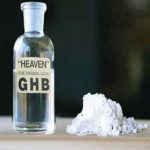 Gamma‑hydroxybutyric acid (GHB)
Your review
* Review is required
Name
* Name is required
Email
* Email is required
Add photos or video to your review
Related Products
-
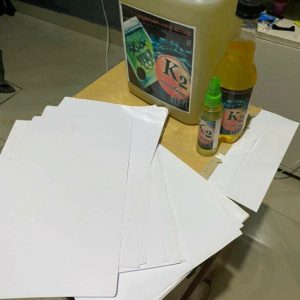
K2 Spice Paper
Original price was: $150.00.$100.00Current price is: $100.00.What is K2 Spice Paper? Understand its origins, types, chemical properties, synthetic cannabinoid effects, health concerns, and social impact through this comprehensive educational guide.
-
MDPV (Methylenedioxypyrovalerone)
Price range: $150.00 through $1,800.00Methylenedioxypyrovalerone (MDPV) is a stimulant of the cathinone class that acts as a norepinephrine–dopamine reuptake inhibitor (NDRI). It was first developed in the 1960s by a team at Boehringer Ingelheim.
Its activity at the dopamine transporter is six times stronger than at the norepinephrine transporter and it is virtually inactive at the serotonin transporter.
Discreetly buy mdpv from us now. Best price guarantee MDPV (Methylenedioxypyrovalerone) buy at low price.
We have the best quality MDPV for sale on our online store
we as well offer discreet delivery and payment is secure with 100% privacy guaranteed at all times.
Telegram ID : kokapartyshop
Email: [email protected]
-
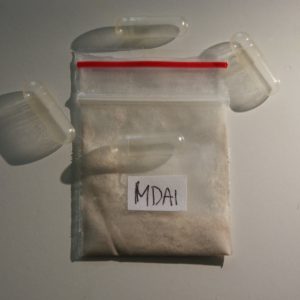
MDAI (5,6-methylenedioxy-2-aminoindane)
Price range: $400.00 through $5,500.00MDAI (5,6-Methylenedioxy-2-aminoindane) is a synthetic research chemical that has been studied for its potential effects as a psychoactive substance. It is a member of the aminoindane class, which is chemically similar to MDMA (Ecstasy) but lacks the typical amphetamine structure.
Telegram ID : kokapartyshop
Email: [email protected]
-
JWH-018 synthetic cannabinoid
Original price was: $60.00.$45.00Current price is: $45.00.JWH-018 synthetic cannabinoid
JWH-018, also known as AM-678, is a laboratory-developed synthetic cannabinoid belonging to the naphthoylindole chemical family. Initially investigated for its interaction with CB1 and CB2 cannabinoid receptors, it later became associated with Spice and K2 products. Explore its chemical specifications, origin, pharmacological properties, reported effects, health risks, and legal status. This educational overview highlights its scientific significance and potential dangers to public health.
Your method of packaging was perfect and stealth cuz I got my parcel delivered intact and also the quality was premium. Thanks Kokapartyinc