
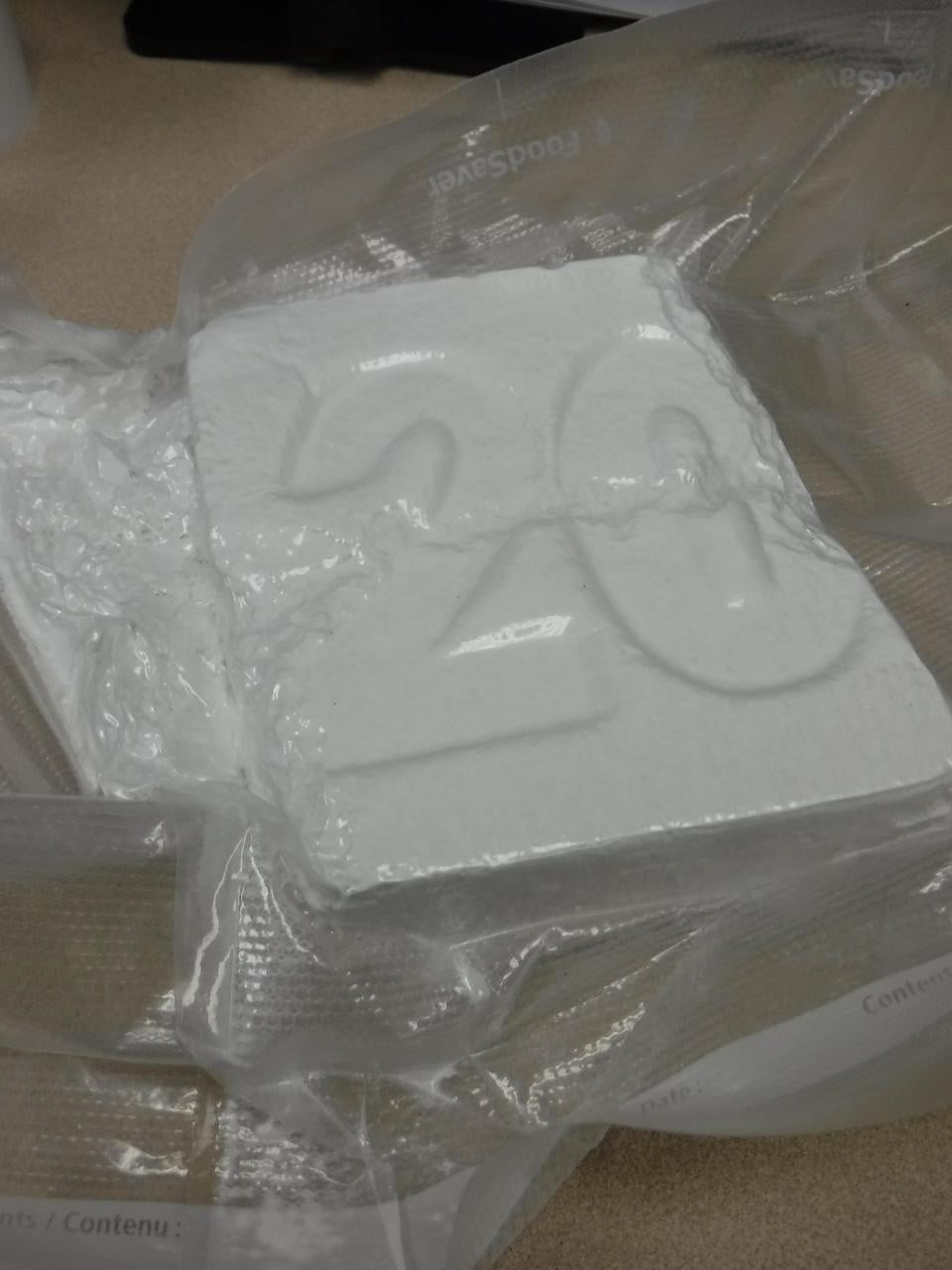
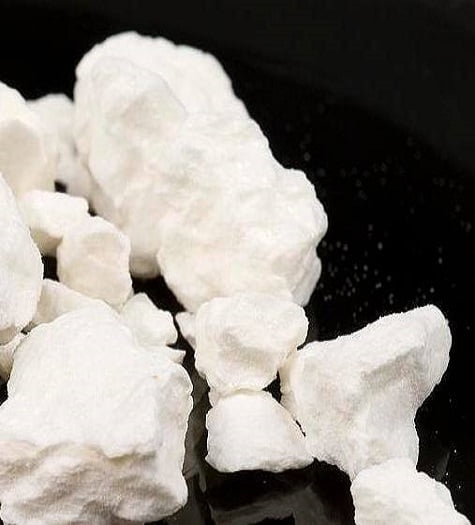
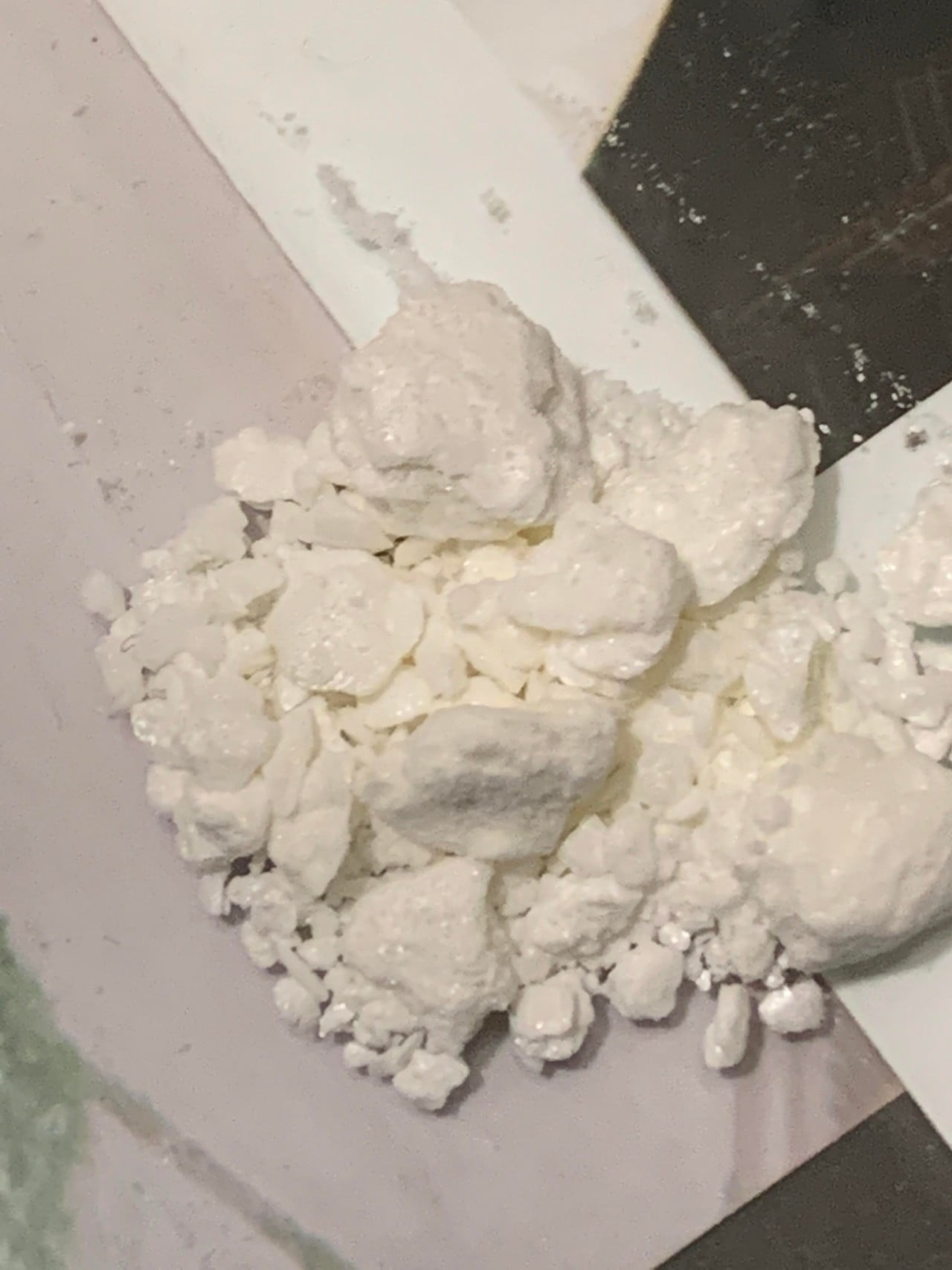
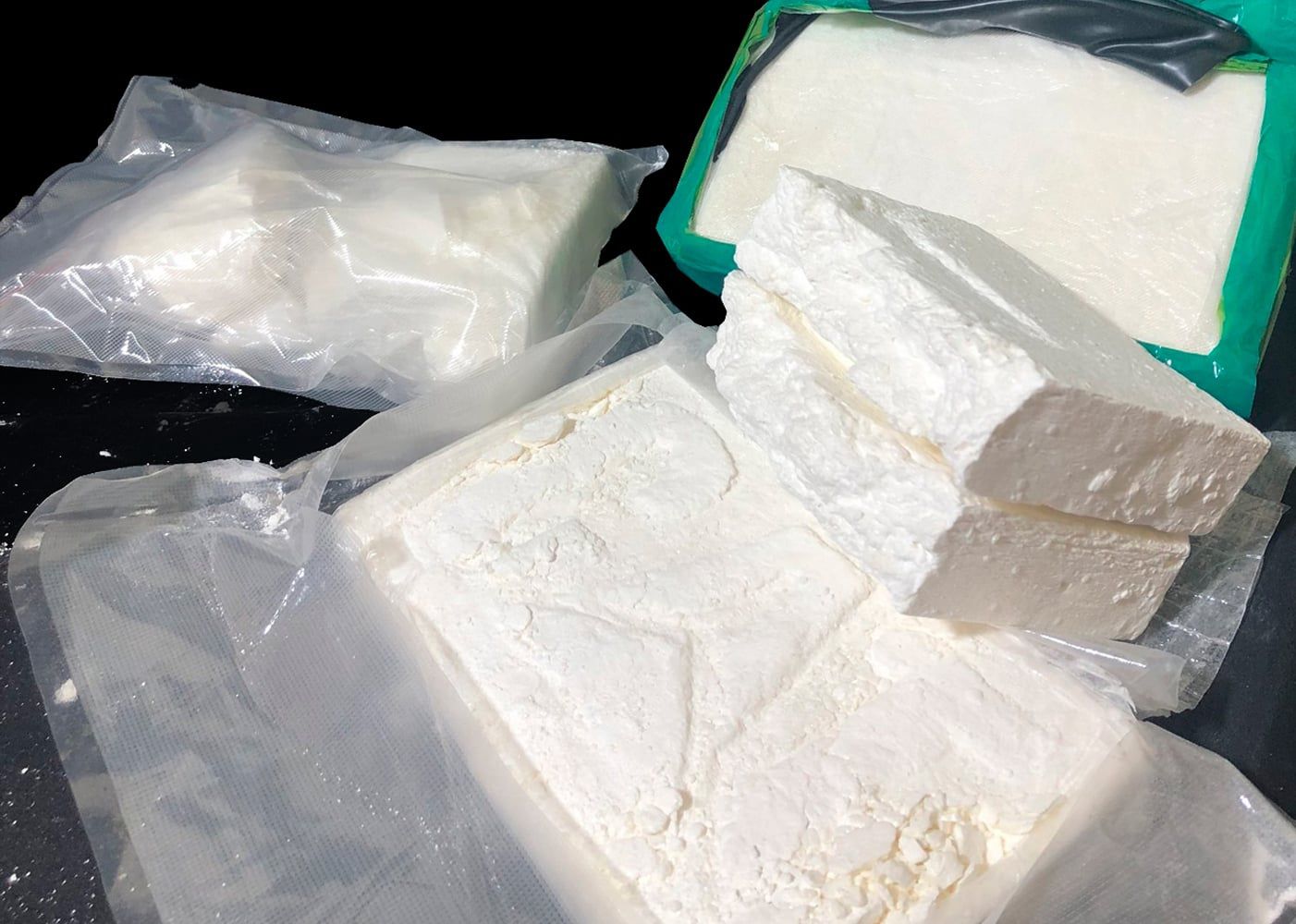
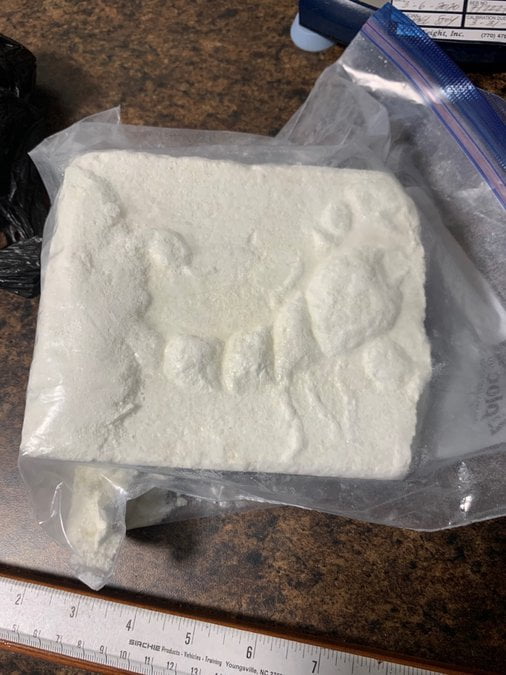
Pure Fish Scale Cocaine
Price range: $250.00 through $5,000.00
Remove all Intermediaries and buy Cocaine from the first hands. 99% Purity. You won’t find such quality on streets, but we can help !
5 grams / 0.176 oz of Fishscale Cocaine. Purity is 99%.
We ship all products directly from our warehouses via standard mail.
For security reasons you will receive our finest cocaine in medicine/nutrition pack or jar. It depends of weight and packing material availability.
Shipping terms:
US/Canada – 24 hours-2 days. Europe/Asia/Pacific -3-5 days
Payment Methods:
We accept Bitcoin, Western union, Money Gram and wire transfer
Learn more about anonymous payments in payments section
Telegram ID : kokapartyshop
Email: [email protected]
Introduction to Pure Fish Scale Cocaine
Pure Fish Scale Cocaine is a commonly used street-market term for a particular appearance of cocaine hydrochloride, a powerful and highly addictive stimulant derived from the coca plant. The name fish scale refers to the shiny, reflective, flaky appearance that some cocaine crystals display. These crystals may resemble small fish scales because of their pearly or shimmering surface.
Despite its association with high purity, the appearance of Pure fish scale cocaine does not establish its chemical composition, strength, or safety. Substances sold under this name can vary considerably in purity and may contain unexpected adulterants or contaminants.
Understanding fish scale cocaine requires examining its origins, chemical properties, different forms, reported effects, health consequences, and broader impact on European communities.
This educational overview is intended for scientific awareness, public health education, and understanding the social consequences of cocaine consumption.
1. Origin and History of Fish Scale Cocaine
Fish scale cocaine originates from the wider history of cocaine production and distribution.
Cocaine is naturally derived from coca leaves, which have historically been cultivated in parts of South America, particularly:
-
Colombia
-
Peru
-
Bolivia
Indigenous communities in the Andes have used coca leaves for traditional purposes for centuries. However, purified cocaine is chemically and pharmacologically different from traditional coca-leaf preparations.
During the nineteenth century, scientists isolated cocaine’s principal active alkaloid. Its medical applications were initially explored, particularly as a local anaesthetic.
Over time, non-medical consumption and international trafficking became significant public health and law-enforcement concerns.
The expression fish scale cocaine developed as a street-market description associated with shiny, crystalline material. It is not an official pharmaceutical classification or a scientifically recognized grade of cocaine.
2. What Makes Fish Scale Cocaine Different?
The primary distinction associated with fish scale cocaine is its physical appearance.
Some samples have a reflective, pearly or flaky appearance that may be described as fish-scale-like.
However, several important distinctions should be understood:
-
Appearance does not establish purity.
-
Crystal size does not determine chemical strength.
-
Colour does not establish origin.
-
A shiny surface does not indicate pharmaceutical quality.
-
Street-market descriptions are not reliable laboratory measurements.
Only appropriate laboratory analysis can establish the chemical composition and identify adulterants.
3. Types and Forms of Cocaine
Pure Fish scale Cocaine appears in different chemical and physical forms. Understanding these distinctions is important for public health education.
A. Cocaine Hydrochloride
Cocaine hydrochloride is a crystalline salt that is commonly associated with the white powder form of cocaine.
Its appearance can vary depending on processing, storage, impurities, and other substances present.
B. Crack Cocaine
Crack cocaine is a smokable freebase form of cocaine. It is chemically different from cocaine hydrochloride in its physical form and preparation.
It is associated with particularly rapid drug delivery and significant addiction risks.
C. Pharmaceutical Cocaine
Cocaine has limited legitimate medical applications in certain jurisdictions, particularly as a local anaesthetic in specialized medical procedures.
Medical cocaine is subject to strict pharmaceutical quality controls and professional supervision. It should not be confused with illicit street-market products.
D. Street-Market Cocaine
Street-market cocaine includes products sold under different descriptive names, including:
-
Fish scale cocaine
-
Colombian cocaine
-
Bolivian cocaine
-
Pink cocaine
-
Flake cocaine
These names frequently describe marketing claims, appearance, or purported geographical origins rather than verified chemical differences.
4. Chemical Specifications and General Properties
From a scientific perspective, cocaine is a tropane alkaloid that acts primarily as a central nervous system stimulant.
General chemical information
| Property | Description |
|---|---|
| Chemical name | Benzoylmethylecgonine |
| Molecular formula | C₁₇H₂₁NO₄ |
| Molecular weight | Approximately 303.35 g/mol |
| Drug classification | Central nervous system stimulant |
| Natural source | Coca plant |
| Common salt form | Cocaine hydrochloride |
| Appearance | Variable crystalline or powder material |
| Pharmacological action | Blocks monoamine reuptake, particularly dopamine |
| Medical classification | Controlled substance in many countries |
These are general properties of cocaine itself, not specifications or quality guarantees for products sold as Pure fish scale cocaine.
Important: There is no universally accepted fish scale cocaine specification. Claims about purity, strength, or chemical quality require independent laboratory verification.
5. Reported Effects of Cocaine
Cocaine affects the central nervous system by interfering with the reuptake of neurotransmitters, particularly dopamine, norepinephrine, and serotonin.
This activity can produce several psychological and physical effects.
Short-Term Effects
Reported short-term effects include:
-
Increased alertness and wakefulness.
-
Temporary feelings of excitement or euphoria.
-
Increased energy and activity.
-
Reduced appetite.
-
Increased heart rate.
-
Elevated blood pressure.
-
Restlessness and agitation.
-
Anxiety and irritability.
Although some individuals experience temporary pleasurable sensations, these effects are accompanied by potentially serious cardiovascular and neurological risks.
Long-Term Effects
Repeated cocaine exposure can contribute to:
-
Cocaine use disorder.
-
Psychological dependence.
-
Depression and anxiety.
-
Sleep disturbances.
-
Cardiovascular disease.
-
Cognitive difficulties.
-
Increased risk of heart attack and stroke.
-
Social and occupational difficulties.
Long-term consequences can vary depending on individual circumstances, frequency of exposure, other substances involved, and overall health.
6. Benefits and Medical Applications: Understanding the Difference
When discussing the supposed benefits of pure fish scale cocaine, it is important to distinguish between temporary stimulant effects, historical medical applications, and scientifically established therapeutic benefits.
Historical Medical Applications
Cocaine has a documented history as a local anaesthetic. Its ability to temporarily block nerve signal transmission made it useful in certain medical procedures.
Today, medical use is highly restricted and generally limited to specialized clinical settings.
Reported Subjective Effects
Some users report temporary experiences such as:
-
Increased confidence.
-
Greater alertness.
-
Elevated mood.
-
Increased energy.
These experiences are not evidence of health benefits.
Why Recreational Use Is Not Beneficial
The temporary stimulation associated with cocaine does not outweigh its significant risks.
There is no established safe recreational use of illicit fish scale cocaine, and its appearance cannot establish whether a sample is free from harmful adulterants.
7. Health Risks and Safety Concerns
Cocaine consumption presents serious health risks, regardless of whether a product is described as pure, premium, or fish scale.
Cardiovascular complications
Cocaine can increase heart rate and blood pressure, potentially triggering dangerous heart rhythm disturbances, heart attacks, and other cardiovascular emergencies.
Neurological complications
Potential consequences include seizures, strokes, severe headaches, and other neurological emergencies.
Psychological complications
Repeated exposure may contribute to paranoia, anxiety, agitation, depression, and cocaine dependence.
Overdose risks
Cocaine toxicity can be life-threatening. Warning signs include:
-
Chest pain.
-
Difficulty breathing.
-
Seizures.
-
Severe agitation or confusion.
-
Very high body temperature.
-
Loss of consciousness.
Anyone experiencing these symptoms requires immediate emergency medical assistance.
In Europe, call 112 for emergency assistance in most countries.
8. Impact of Fish Scale Cocaine on European Society
Cocaine consumption and trafficking have become important public health, social, and law-enforcement concerns across Europe.
Although fish scale cocaine is a street-market description rather than a separate drug category, products sold under this name contribute to the wider cocaine market.
A. Public Health Challenges
Cocaine-related health concerns place pressure on emergency departments, addiction services, mental health services, and treatment programmes.
European healthcare providers must address both acute complications and longer-term substance-use disorders.
B. Youth and Student Communities
Cocaine use can affect educational performance, concentration, emotional well-being, and relationships.
Students exposed to stimulant use may experience disrupted sleep, financial difficulties, anxiety, and declining academic performance.
Education and prevention programmes are important tools for reducing these risks. K2 spice paper
C. Criminal Networks and Illegal Trade
International cocaine trafficking supports organized criminal networks.
The European cocaine market can contribute to:
-
Money laundering.
-
Corruption.
-
Organized criminal activity.
-
Violence associated with illegal distribution.
-
Exploitation of vulnerable communities.
D. Economic Consequences
The wider cocaine market creates financial and social costs through healthcare expenditure, criminal justice activity, lost productivity, and family disruption.
E. Prevention and Education
European prevention strategies increasingly emphasize:
-
Public awareness campaigns.
-
Early intervention.
-
Addiction treatment.
-
Mental health support.
-
Community education.
-
International law-enforcement cooperation.
9. Potential SEO Keywords
The following keywords are suitable for an educational article focused on cocaine awareness, chemistry, and public health.
Primary focus keywords:
-
Pure fish scale cocaine
-
Fish scale cocaine information
-
Fish scale cocaine origins
-
Fish scale cocaine effects
-
Cocaine chemical properties
Secondary keywords:
-
What is fish scale cocaine?
-
Cocaine hydrochloride explained
-
Fish scale cocaine appearance
-
Cocaine health risks
-
Cocaine addiction awareness
-
Cocaine impact in Europe
-
Cocaine public health concerns
-
Cocaine effects on the nervous system
-
Cocaine chemical composition
-
European cocaine prevention programmes
10. Frequently Asked Questions (FAQs)
1. What is pure fish scale cocaine?
Fish scale cocaine is a street-market term describing cocaine that has a shiny, reflective, or flaky appearance. It is not a scientifically recognized cocaine classification.
2. Why is it called fish scale cocaine?
The name refers to the pearly or reflective appearance that some crystalline samples display, which can resemble fish scales.
3. Does fish scale appearance mean cocaine is pure?
No. Appearance cannot establish purity, potency, or safety. Laboratory analysis is necessary to identify the chemical composition.
4. What is the main chemical component of cocaine?
The principal active compound is cocaine, chemically known as benzoylmethylecgonine, with the molecular formula C₁₇H₂₁NO₄.
5. What are the main effects of cocaine?
Cocaine is a stimulant that can temporarily increase alertness and produce euphoria. It can also cause anxiety, elevated blood pressure, increased heart rate, and serious cardiovascular complications.
6. Is fish scale cocaine medically approved?
The street-market product is not an approved pharmaceutical preparation. Cocaine itself has limited medical applications in some countries under strict professional controls.
7. Can cocaine cause addiction?
Yes. Cocaine can produce powerful psychological reinforcement and lead to cocaine use disorder.
8. What is the impact of cocaine on Europe?
Cocaine consumption and trafficking contribute to healthcare challenges, addiction, organized crime, economic costs, and social difficulties across European communities.
9. Can cocaine cause an overdose?
Yes. Cocaine toxicity can cause seizures, dangerous heart rhythms, heart attacks, strokes, and death.
10. How can cocaine-related harm be reduced?
Effective approaches include prevention education, accessible addiction treatment, early intervention, mental health support, and timely emergency medical care.
- Pure Fish scale cocaine
11. Conclusion
Pure Fish Scale Cocaine is a descriptive street-market term associated with the shiny or flaky appearance of certain cocaine samples. Despite its association with premium quality, appearance does not provide reliable evidence of purity, chemical composition, or safety.
Understanding its origins, chemical characteristics, reported effects, and potential health consequences is essential for informed public discussion.
Across Europe, cocaine-related problems extend beyond individual consumption. They affect healthcare systems, educational environments, families, communities, and law-enforcement agencies.
Educational resources, scientific research, addiction prevention, and evidence-based public health policies remain essential to addressing these challenges.
| weight | 5 grams, 10 grams, 30 grams, 50 grams, 100 grams, 250 grams, 500 grams |
|---|
2 reviews for Pure Fish Scale Cocaine
100%
0%
0%
0%
0%
1-2 of 2 reviews
Add a review
 Pure Fish Scale Cocaine
Your review
* Review is required
Name
* Name is required
Email
* Email is required
Add photos or video to your review
Related Products
-
Pure Bio Cocaine
Price range: $250.00 through $5,000.00Pure Bio Cocaine
Remove all Intermediaries and Cocaine from the first hands. 99% Purity. You won’t find such quality on streets, but we can help !
5 grams / 0.176 oz of Colombian Cocaine. Purity is 99%.
We ship all products directly from our warehouses via standard mail.
For security reasons you will receive our finest cocaine in medicine/nutrition pack or jar. It depends of weight and packing material availability.
Shipping terms:
US/Canada – 24 hours-2 days. Europe/Asia/Pacific -3-5 daysPayment Methods:
We accept Bitcoin, Western union, Money Gram and wire transfer
Learn more about anonymous payments in payments sectionTelegram ID : kokapartyshop
Email: [email protected]
-
Pure Pink Peruvian Cocaine
Price range: $250.00 through $6,000.00Remove all Intermediaries and buy Cocaine from the first hands. 99% Purity. You won’t find such quality on streets, but we can help !
5 grams / 0.176 oz of Colombian Cocaine. Purity is 99%.
We ship all products directly from our warehouses via standard mail.
For security reasons you will receive our finest cocaine in medicine/nutrition pack or jar. It depends of weight and packing material availability.
Shipping terms:
US/Canada – 24 hours-2 days. Europe/Asia/Pacific -3-5 daysPayment Methods:
We accept Bitcoin, Western union, Money Gram and wire transfer
Learn more about anonymous payments in payments section.Telegram ID : kokapartyshop
Email: [email protected]
-
Pure Bolivian Cocaine
Price range: $250.00 through $6,000.00Telegram ID : kokapartyshop
Email: [email protected]
Remove all Intermediaries and buy Cocaine from the first hands. 99% Purity. You won’t find such quality on streets, but we can help !
5 grams / 0.176 oz of Colombian Cocaine. Purity is 99%.
We ship all products directly from our warehouses via standard mail.
For security reasons you will receive our finest cocaine in medicine/nutrition pack or jar. It depends of weight and packing material availability.
Shipping terms:
US/Canada – 24 hours-2 days. Europe/Asia/Pacific -3-5 daysPayment Methods:
We accept BitCoin, Western union, Money Gram and wire transfer
Learn more about anonymous payments in payments section. -
Pure Crack Cocaine
Price range: $250.00 through $6,000.00Buy crack cocaine Wholesale
Remove all Intermediaries and buy Cocaine from the first hands. 99% Purity. You won’t find such quality on streets, but we can help !
5 grams / 0.176 oz of Colombian Cocaine. Purity is 99%.
We ship all products directly from our warehouses via standard mail.
For security reasons you will receive our finest cocaine in medicine/nutrition pack or jar. It depends of weight and packing material availability.
Shipping terms:
US/Canada – 24 hours-2 days. Europe/Asia/Pacific -3-5 daysPayment Methods:
We accept Bitcoin, Western union, Money Gram and wire transfer
Learn more about anonymous payments in payments section.Telegram ID : kokapartyshop
Email: [email protected]

The best cocaine I have ever had in my life and I couldn’t belief I will get my order shipped and delivered to me as promised . thanks Kokapartyinc you are the best.
The quality is top notch and also communication with them is faster and professional. Will order more next week