


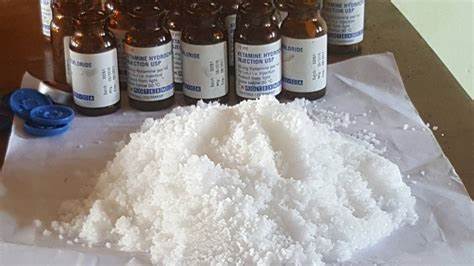
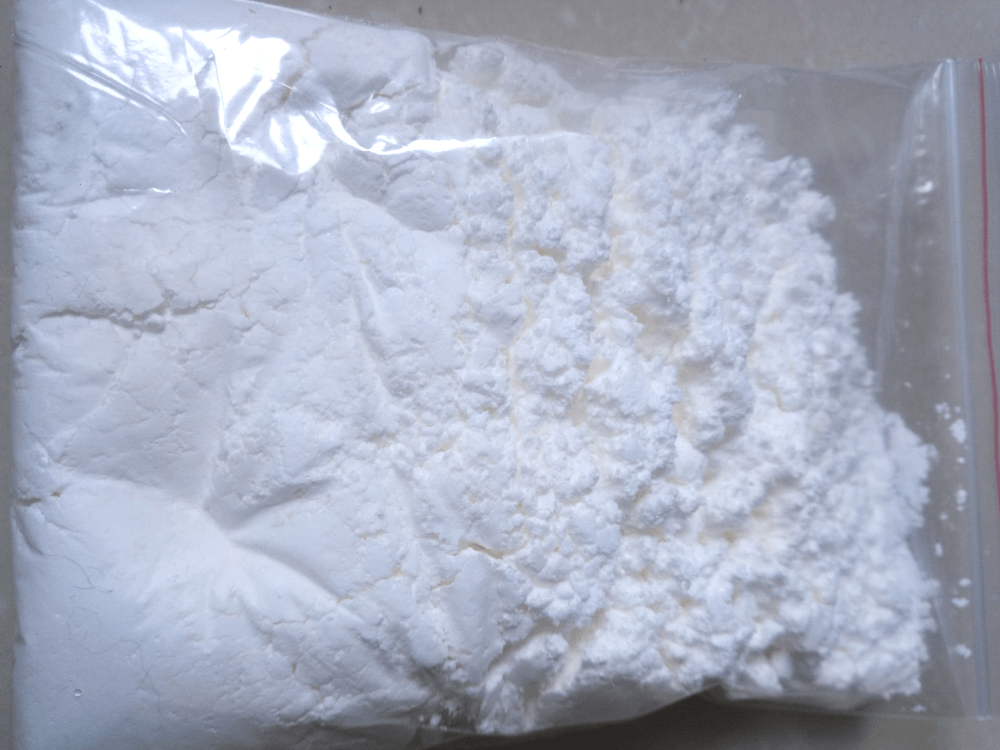

Ketamine Powder ( Ketalar )
Price range: $205.00 through $7,400.00
Ketamine has the sold brand name Ketalar. Ketalar medicine is, for the most part, utilized forgiving and looking after anesthesia. it is likewise utilized for help with discomfort and memory misfortune. It is additionally incorporate of perpetual torment and for sedation in concentrated consideration. Heart working, breathing, and aviation route reflexes for the most part staying practical during its belongings.
Telegram ID : kokapartyshop
Email: [email protected]
Ketamine Powder: Origin, History, Types, Chemical Specifications, Medical Benefits, Effects and Global Impact
Introduction to Ketamine Powder
Ketamine is a synthetic dissociative anesthetic that has played an important role in modern medicine for several decades. Originally developed as an alternative anesthetic, it became widely recognized for its ability to produce anesthesia, reduce pain and alter sensory perception. Today, ketamine Powder remains an important medicine in hospitals, emergency departments, surgical environments and veterinary practices.
However, its reputation extends beyond medical environments. During recent decades, ketamine has also become known as a recreational substance because of its dissociative and hallucinogenic effects. Consequently, ketamine powder has attracted attention from medical researchers, public-health professionals, policymakers and drug-monitoring organisations worldwide.
It is important to understand that medically manufactured ketamine and unregulated ketamine powder are not interchangeable. Pharmaceutical products are manufactured under controlled standards, whereas substances obtained from unregulated markets may contain unknown ingredients, contaminants or other drugs. Black Tar Heroin
Furthermore, ketamine has been investigated for its potential applications in mental healthcare, particularly in people experiencing treatment-resistant depression. Nevertheless, its therapeutic applications require professional assessment, medical supervision and careful monitoring.
This educational guide explores ketamine powder from a scientific and public-health perspective, explaining its chemical identity, historical development, recognised forms, medical applications, possible effects and growing international significance.
1. Origin and History of Ketamine
The history of ketamine begins during the 1950s, when pharmaceutical researchers were investigating new medicines that could provide effective anaesthesia.
In 1956, researchers developed phencyclidine (PCP), a compound that demonstrated powerful anaesthetic properties. Nevertheless, its significant psychological side effects and prolonged recovery made it unsuitable for routine human anaesthesia.
Therefore, scientists continued searching for a related substance that could provide effective anaesthetic properties while producing fewer unwanted effects.
In 1962, American chemist Calvin Stevens developed ketamine at Parke-Davis pharmaceutical laboratories. Initially identified as CI-581, the compound demonstrated promising anaesthetic properties and was subsequently investigated in human clinical studies.
By 1964, researchers were studying ketamine’s potential applications in clinical medicine. In 1970, it received approval from the United States Food and Drug Administration (FDA) for medical use.
During the Vietnam War, ketamine became particularly valuable because of its anaesthetic and pain-relieving properties. It subsequently gained broader acceptance in emergency medicine, surgical procedures and veterinary healthcare.
However, its psychological effects also attracted attention outside hospitals. By the 1970s and 1980s, non-medical ketamine use had emerged in several countries. Subsequently, the substance became associated with nightlife and recreational drug markets.
During the 1990s and early 2000s, research into ketamine’s possible antidepressant properties increased. Scientists began investigating how its effects on brain signalling could potentially help individuals with depression that had not responded adequately to conventional treatments.
Today, ketamine occupies two very different positions: it remains an important medical anaesthetic while also presenting an international substance-misuse and public-health challenge.
2. What Is Ketamine Powder?
Ketamine is a synthetic chemical compound belonging to the arylcyclohexylamine family. Pharmacologically, it is classified as a dissociative anaesthetic.
Ketamine primarily affects the brain’s glutamate signalling system by acting as a non-competitive antagonist of N-methyl-D-aspartate (NMDA) receptors.
These receptors participate in several neurological processes, including learning, memory, pain perception and communication between nerve cells.
By altering NMDA receptor activity, ketamine can produce several effects, including:
- Reduced perception of pain.
- Dissociation from surrounding environments.
- Altered sensory perception.
- Changes in consciousness.
- Sedation and anaesthesia.
- Temporary changes in mood and cognition.
The term ketamine powder generally refers to a powdered presentation of ketamine, commonly associated with its hydrochloride salt in pharmaceutical and forensic contexts.
However, appearance alone cannot establish whether a powder contains ketamine, identify its concentration or confirm its purity.
This distinction is particularly important because unregulated substances can contain unexpected ingredients.
3. Potential Keywords for Ketamine Powder
The following keywords are suitable for educational, scientific, healthcare and public-health content.
Primary focus keywords:
- Ketamine powder
- What is ketamine?
- Ketamine chemical properties
- Ketamine origin and history
- Ketamine medical uses
- Ketamine effects
- Ketamine health risks
- Ketamine scientific information
Secondary keywords:
- Ketamine hydrochloride
- Ketamine anaesthetic medicine
- Ketamine dissociative anaesthetic
- Ketamine NMDA receptor
- Ketamine treatment-resistant depression
- Esketamine medical treatment
- Ketamine long-term effects
- Ketamine bladder damage
- Ketamine addiction and dependency
- Ketamine public health impact
Long-tail keywords:
- What is ketamine powder used for medically?
- Understanding the chemical properties of ketamine
- History and development of ketamine anaesthesia
- Differences between ketamine and esketamine
- Medical benefits and risks of ketamine
- Short-term and long-term effects of ketamine
- Ketamine dependence and urinary complications
- Global ketamine use and public health concerns
- Ketamine research in modern mental healthcare
- Ketamine regulation around the world
These keywords should be integrated naturally into educational headings, descriptions and FAQs rather than used to promote non-medical consumption.
4. Types and Forms of Ketamine
Ketamine is available in different pharmaceutical and scientific forms. Understanding these distinctions is important because the chemical composition and intended medical applications can differ. Crystal Methamphetamine
A. Racemic Ketamine
Racemic ketamine contains a mixture of two mirror-image molecular forms, known as S-ketamine and R-ketamine.
This formulation has been widely used as an anaesthetic and analgesic medicine.
Its medical applications include surgical anaesthesia, emergency treatment and selected pain-management settings.
B. Esketamine (S-Ketamine)
Esketamine represents the S-enantiomer of ketamine.
It has attracted considerable interest because of its pharmacological properties and potential applications in mental healthcare.
A regulated esketamine nasal-spray medicine has been authorised for specific patients with treatment-resistant depression in certain countries, including the United Kingdom.
However, treatment requires professional assessment and appropriate clinical monitoring.
C. Arketamine (R-Ketamine)
Arketamine is the R-enantiomer of ketamine.
Researchers have investigated its pharmacological characteristics and possible antidepressant applications.
Nevertheless, its clinical development and regulatory position differ from those of established ketamine and esketamine medicines.
D. Ketamine Hydrochloride
Ketamine hydrochloride is a salt form commonly used in pharmaceutical preparations.
Medical formulations are produced under controlled manufacturing conditions and are subject to appropriate quality and safety requirements.
Its scientific identity is different from that of ketamine’s free-base form, meaning that their molecular formulae and molecular weights are not identical. MDPV Powder
E. Pharmaceutical Ketamine Solutions
Ketamine is also supplied as regulated liquid preparations for medical and veterinary applications.
These products are used by qualified professionals in appropriate clinical environments.
They should not be confused with unknown powders or products obtained outside regulated pharmaceutical supply systems.
5. Ketamine Powder Chemical Specifications
Ketamine has a well-established chemical identity. Its properties are relevant to pharmaceutical science, toxicology, forensic research and medical education.
The following table provides general chemical reference information.
| Specification | Scientific information |
|---|---|
| Common name | Ketamine |
| Chemical family | Arylcyclohexylamine |
| Pharmaceutical salt | Ketamine hydrochloride |
| Molecular formula (free base) | C13H16ClNO |
| Molecular weight (free base) | Approximately 237.72 g/mol |
| Molecular formula (hydrochloride) | C13H17Cl2NO |
| Molecular weight (hydrochloride) | Approximately 274.18 g/mol |
| Pharmacological classification | Dissociative anaesthetic |
| Principal receptor action | NMDA receptor antagonism |
| Stereochemical forms | S-ketamine and R-ketamine |
| Main medical applications | Anaesthesia and analgesia |
| Other recognised application | Specific supervised depression treatments |
Important scientific distinction: The molecular formula and molecular weight depend on whether the reference is ketamine itself or its hydrochloride salt.
A chemical formula does not establish the identity, quality or safety of an unknown powder. Laboratory analysis is necessary to determine what a sample actually contains.
6. Medical Benefits and Recognised Applications of Ketamine
Ketamine has several medically recognised applications. Nevertheless, these benefits are associated with professionally administered pharmaceutical preparations rather than unsupervised recreational use.
Anaesthesia and Surgical Medicine
One of ketamine’s most established applications is anaesthesia.
It can provide a combination of anaesthetic and analgesic effects, making it useful in certain surgical and emergency medical situations.
Additionally, its cardiovascular and respiratory characteristics can make it valuable in selected circumstances where alternative anaesthetic medicines may present particular challenges.
However, ketamine still requires appropriate monitoring because serious adverse reactions can occur.
Pain Management
Ketamine has analgesic properties that make it useful in certain pain-management situations.
Medical specialists have investigated its application in acute pain and selected chronic pain conditions.
Furthermore, its influence on NMDA receptors provides researchers with opportunities to investigate different mechanisms of pain perception.
Nevertheless, evidence and recommendations differ according to the particular condition, and ketamine is not an appropriate treatment for every type of pain.
Treatment-Resistant Depression
One of the most significant developments in ketamine research involves treatment-resistant depression.
Traditional antidepressant medicines may take several weeks to produce noticeable benefits. By comparison, ketamine-based treatments have demonstrated relatively rapid antidepressant effects in some clinical studies.
Esketamine has become an important development in this area.
Nevertheless, not every patient responds, and the benefits may not be permanent. Treatment therefore requires specialist assessment, monitoring and an appropriate continuing-care plan. Bolivian Cocaine
Emergency and Critical Care
Ketamine is useful in selected emergency medical situations where clinicians require anaesthesia, sedation or pain management.
For example, it has applications in certain emergency procedures and hospital settings.
However, professional training and monitoring are essential because patients may experience changes in consciousness, blood pressure and other physiological functions.
Veterinary Medicine
Ketamine also has an established history in veterinary medicine.
Veterinary professionals use regulated ketamine preparations as part of anaesthetic protocols for animals.
Its continuing veterinary applications demonstrate its importance beyond human healthcare.
7. Short-Term Effects of Ketamine
Ketamine affects the central nervous system and can temporarily alter perception, consciousness, movement and behaviour.
The nature and severity of these effects depend on several factors, including exposure, individual sensitivity, other substances present and general health. Colombian Cocaine
Possible short-term effects include:
Dissociation: A person may feel separated from their body, surroundings or ordinary sensory experiences.
Altered perception: Visual and auditory experiences may become distorted or unusual.
Confusion: Some individuals experience difficulty understanding their surroundings or communicating clearly.
Impaired coordination: Balance, movement and physical awareness may become significantly affected.
Sedation: Ketamine can cause reduced alertness and changes in consciousness.
Changes in blood pressure and heart rate: Cardiovascular changes may occur and require medical attention in certain circumstances.
Nausea and vomiting: Gastrointestinal effects can occur.
Anxiety and agitation: Although some people experience temporary relaxation, others may experience panic, fear or psychological distress.
In severe cases, acute toxicity can involve convulsions, dangerously reduced consciousness and respiratory complications.
Consequently, ketamine should never be assumed to be harmless because it has recognized medical applications.
8. Long-Term Effects and Potential Health Risks
Although ketamine is valuable in controlled medical settings, repeated non-medical use can produce significant health complications.
Bladder Damage
One of the most concerning complications is ketamine-induced uropathy.
This condition involves damage to the urinary system, particularly the bladder.
Possible symptoms include:
- Frequent urination.
- Pain during urination.
- Urinary urgency.
- Bladder inflammation.
- Blood in the urine.
- Urinary incontinence.
- Persistent pelvic or bladder pain.
In severe cases, the damage can become long-lasting and may require specialist treatment or surgery. Peruvian Pink Cocaine
Kidney and Urinary Tract Problems
Long-term exposure may also affect the upper urinary tract and kidneys.
Furthermore, bladder complications can interfere with normal urinary function and potentially contribute to serious medical problems.
Liver and Bile Duct Complications
Research has associated prolonged ketamine use with liver and biliary complications.
These conditions can cause abdominal discomfort and abnormalities in liver function.
Therefore, unexplained abdominal symptoms in someone with a history of ketamine exposure should receive appropriate medical assessment.
Memory and Cognitive Problems
Repeated, frequent and high-level non-medical exposure may affect cognitive functioning.
Possible concerns include problems involving memory, attention, concentration and learning.
However, the extent and persistence of these effects can vary, and researchers continue investigating the underlying neurological mechanisms. Fish scale Cocaine
Psychological Dependence
Ketamine can lead to psychological dependence.
With repeated use, individuals may develop tolerance and increasingly prioritise the substance over education, employment, relationships or everyday responsibilities.
Additionally, people experiencing dependence may struggle to reduce or discontinue use without professional support.
Mental Health Complications
Although ketamine is being investigated for certain mental-health treatments, uncontrolled use can produce the opposite outcome.
Possible complications include anxiety, depression, confusion, psychological distress and psychotic symptoms.
Therefore, medical benefits should never be interpreted as evidence that recreational use is a safe form of mental-health treatment.
9. Ketamine Powder and Its Impact on Society
Ketamine has become an important subject in international drug-policy discussions because its medical benefits coexist with increasing concerns about non-medical use. Crack Cocaine
Impact on Young People and Students
Ketamine-related harm is a particular concern among younger populations.
Young people may encounter the substance through social environments, nightlife and online drug markets.
However, impaired concentration, memory problems and repeated intoxication can interfere with education and everyday responsibilities.
Furthermore, persistent dependence may contribute to missed classes, declining academic performance, financial difficulties and damaged personal relationships.
Educational institutions therefore have an important role in providing reliable information about substance-related health risks.
Impact on Healthcare Systems
Frequent non-medical use can increase demand for emergency treatment, mental-health support, urological investigations and specialist rehabilitation. Bio Cocaine
Bladder damage is particularly concerning because some patients require long-term medical attention.
Consequently, healthcare services face both immediate treatment costs and the financial consequences of chronic complications.
Impact on Families and Communities
Ketamine dependence can affect more than the person experiencing it.
Families may face financial pressure, emotional distress and relationship difficulties.
In addition, individuals experiencing prolonged substance-related problems may become increasingly isolated from their social networks.
Community education, accessible healthcare and early intervention are therefore important components of prevention.
International Trafficking and Drug Regulation
Ketamine presents a distinctive regulatory challenge.
Unlike many other psychoactive substances, it is not currently scheduled under the United Nations’ 1971 Convention on Psychotropic Substances.
This decision reflects concern that international restrictions could interfere with access to an important anaesthetic medicine, particularly in countries with limited healthcare resources.
Nevertheless, individual governments maintain their own national controls.
The European Union Drugs Agency has identified increasing concern about ketamine availability, trafficking and associated health risks. Its March 2026 European situation report draws on information from 32 countries.
As a result, ketamine has become an important subject for international cooperation between health authorities, forensic laboratories, customs agencies and law-enforcement organisations.
10. Global Ketamine Trends and Public-Health Concerns
Ketamine-related issues vary significantly between countries.
In the United Kingdom, the Advisory Council on the Misuse of Drugs published an updated review on 28 January 2026.
According to the review, approximately 264,000 people aged 16–59 in England and Wales reported ketamine use during the previous year in the 2024–2025 survey period.
Although this represented a decline from the 2022–2023 peak, the report highlighted growing concerns regarding frequent high-level use, dependence and associated medical complications.
The report also described increasing concerns in several international regions:
Europe: Authorities have identified increased ketamine availability, trafficking and presentations for drug-related medical emergencies.
North America: Monitoring agencies have reported increasing non-medical ketamine use and growing concerns about exposure to multiple substances.
Asia: Countries have experienced different patterns of ketamine availability and consumption, with regional differences in manufacturing, enforcement and medical regulation.
Australia: Public-health monitoring has identified changes in ketamine use and wastewater detections over recent years.
These developments demonstrate that ketamine is not simply a medical or recreational issue. Instead, it represents a wider challenge involving healthcare accessibility, pharmaceutical regulation, substance dependence and international drug monitoring.
11. Legal Status of Ketamine
Ketamine’s legal classification differs between countries.
In the United Kingdom, ketamine is classified as a Class B controlled drug under the Misuse of Drugs Act 1971 and is listed in Schedule 2 of the Misuse of Drugs Regulations 2001. Mephedrone Powder
Its legitimate use in medicine and veterinary healthcare remains possible under the applicable controlled-drug requirements.
Internationally, ketamine is not currently subject to scheduling under the 1971 United Nations Convention on Psychotropic Substances. Nevertheless, national governments can introduce their own restrictions.
Therefore, anyone researching ketamine regulation should consult current government legislation and official medicines authorities in the relevant country.
Importantly, international recognition of ketamine as an essential medicine does not mean that possession, distribution or non-medical supply is lawful everywhere.
12. Safety, Prevention and Responsible Medical Information
Understanding ketamine requires distinguishing between its legitimate medical applications and its potential for misuse.
First, pharmaceutical ketamine should only be administered by qualified professionals in appropriate clinical settings.
Second, individuals should understand that an unknown powder cannot be verified through colour, texture or appearance.
Third, combining ketamine with alcohol, opioids or benzodiazepines can substantially increase the risk of dangerous sedation and other complications.
Finally, people experiencing repeated use, psychological dependence or urinary symptoms should seek medical support rather than attempting to manage these problems independently.
A person who becomes unconscious, experiences a seizure or develops serious breathing difficulties requires immediate emergency medical assistance.
Early medical intervention can be important in preventing complications and improving recovery outcomes.
13. Future Research and the Development of Ketamine Medicine
Scientific research into ketamine continues to expand.
Researchers are investigating how its interactions with glutamate signalling influence brain activity, pain perception and depressive symptoms.
One important area involves understanding why some individuals experience rapid antidepressant responses while others do not.
Another area concerns the development of related medicines that may retain useful therapeutic properties while reducing unwanted side effects.
Furthermore, researchers are examining the long-term safety of ketamine-based treatments and investigating the medical complications associated with repeated non-medical exposure.
Nevertheless, considerable scientific questions remain unanswered.
Future developments will depend on carefully designed clinical studies, appropriate patient monitoring and stronger international cooperation.
14. Frequently Asked Questions About Ketamine Powder
1. What is ketamine powder?
Ketamine powder refers to a powdered presentation of the synthetic dissociative anaesthetic ketamine. The substance has established medical applications, although unregulated powder may have an unknown identity, composition or purity.
2. What is the origin of ketamine?
Ketamine was developed by American chemist Calvin Stevens at Parke-Davis laboratories in 1962. Its development followed earlier research into phencyclidine-related anaesthetic compounds.
3. What is ketamine hydrochloride?
Ketamine hydrochloride is the hydrochloride salt of ketamine. It is an important pharmaceutical form used in regulated medical preparations.
4. What are the main types of ketamine?
The main stereochemical forms are S-ketamine, also known as esketamine, and R-ketamine, also known as arketamine. Racemic ketamine contains a mixture of both.
5. What are the medical benefits of ketamine?
Its established applications include anaesthesia and pain management. Additionally, ketamine-based treatments have demonstrated potential benefits for certain patients with treatment-resistant depression under specialist supervision.
6. Does ketamine affect the brain?
Yes. Ketamine affects NMDA receptors involved in glutamate signalling. Consequently, it can influence consciousness, pain perception, memory, sensory processing and mood.
7. What are the short-term effects of ketamine?
Possible effects include dissociation, sedation, altered perception, confusion, impaired coordination and changes in heart rate and blood pressure.
8. Can ketamine cause bladder damage?
Yes. Repeated non-medical ketamine exposure can cause ketamine-induced uropathy, potentially producing bladder pain, frequent urination, inflammation, bleeding and other urinary complications.
9. Can ketamine cause dependence?
Yes. Repeated use can produce tolerance, psychological dependence and substance-use disorders. People experiencing these problems may require professional treatment and support.
10. Is ketamine legal worldwide?
No. Legal controls vary between countries. Although ketamine is not scheduled under the 1971 international psychotropic-substances convention, individual governments can restrict its possession, supply and use.
11. Is ketamine used in veterinary medicine?
Yes. Ketamine has long been used in veterinary anaesthesia and remains an important medicine in certain animal-health settings.
12. What is the difference between ketamine and esketamine?
Ketamine generally refers to the racemic mixture of two enantiomers, while esketamine refers specifically to the S-enantiomer. They have related pharmacological properties but are not identical pharmaceutical substances.
13. Can ketamine cause long-term health problems?
Yes. Frequent and prolonged non-medical exposure may contribute to urinary-system damage, psychological dependence, cognitive problems and liver or biliary complications.
14. Why is ketamine a global public-health concern?
Its medical importance, non-medical availability, trafficking, potential for dependence and associated health complications make it an important subject for healthcare providers and international drug-monitoring agencies.
Conclusion: Understanding Ketamine Powder Through Science and Public Health
Ketamine has developed from a laboratory discovery into an important medicine used in modern anaesthesia, pain management and selected mental-health treatments.
Its history demonstrates how pharmaceutical research can produce significant medical developments. Nevertheless, the substance also highlights the complex relationship between therapeutic applications and the risks of non-medical consumption.
Understanding ketamine powder requires more than examining its chemical properties or historical development. It also requires considering its effects on the brain, potential medical benefits, long-term complications, dependence risks and international regulatory challenges.
Ultimately, accurate scientific information, responsible medical supervision, early intervention and effective public-health education are essential for addressing ketamine-related issues.
This educational overview is intended to support awareness, research and responsible understanding of ketamine. It is not a medical recommendation, product endorsement or guide to non-medical consumption.
| QUANTITY | 10 Grams, 50 Grams, 100 Grams, 500 Grams, 1kg |
|---|
Add a review
 Ketamine Powder ( Ketalar )
Your review
* Review is required
Name
* Name is required
Email
* Email is required
Add photos or video to your review
Related Products
-
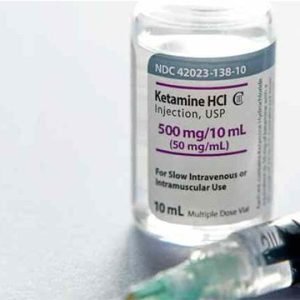
Ketamine HCL
Original price was: $150.00.$80.00Current price is: $80.00.Ketamine Hydrochloride HCL
Ketamine Hydrochloride (HCL) is a chemical compound used primarily for its anesthetic and dissociative properties. It has specific chemical characteristics that define its structure, stability, and interaction within biological systems. Here are the key chemical specifications of Ketamine HCL:
1. Chemical Name and Formula
- IUPAC Name: 2-(2-chlorophenyl)-2-(methylamino)cyclohexanone hydrochloride
- Molecular Formula: C₁₃H₁₆ClNO · HCl
- Molar Mass: 274.2 g/mol (for Ketamine base), 290.2 g/mol (for Ketamine HCL salt)
Telegram ID : kokapartyshop
Email: [email protected]
Reviews
There are no reviews yet